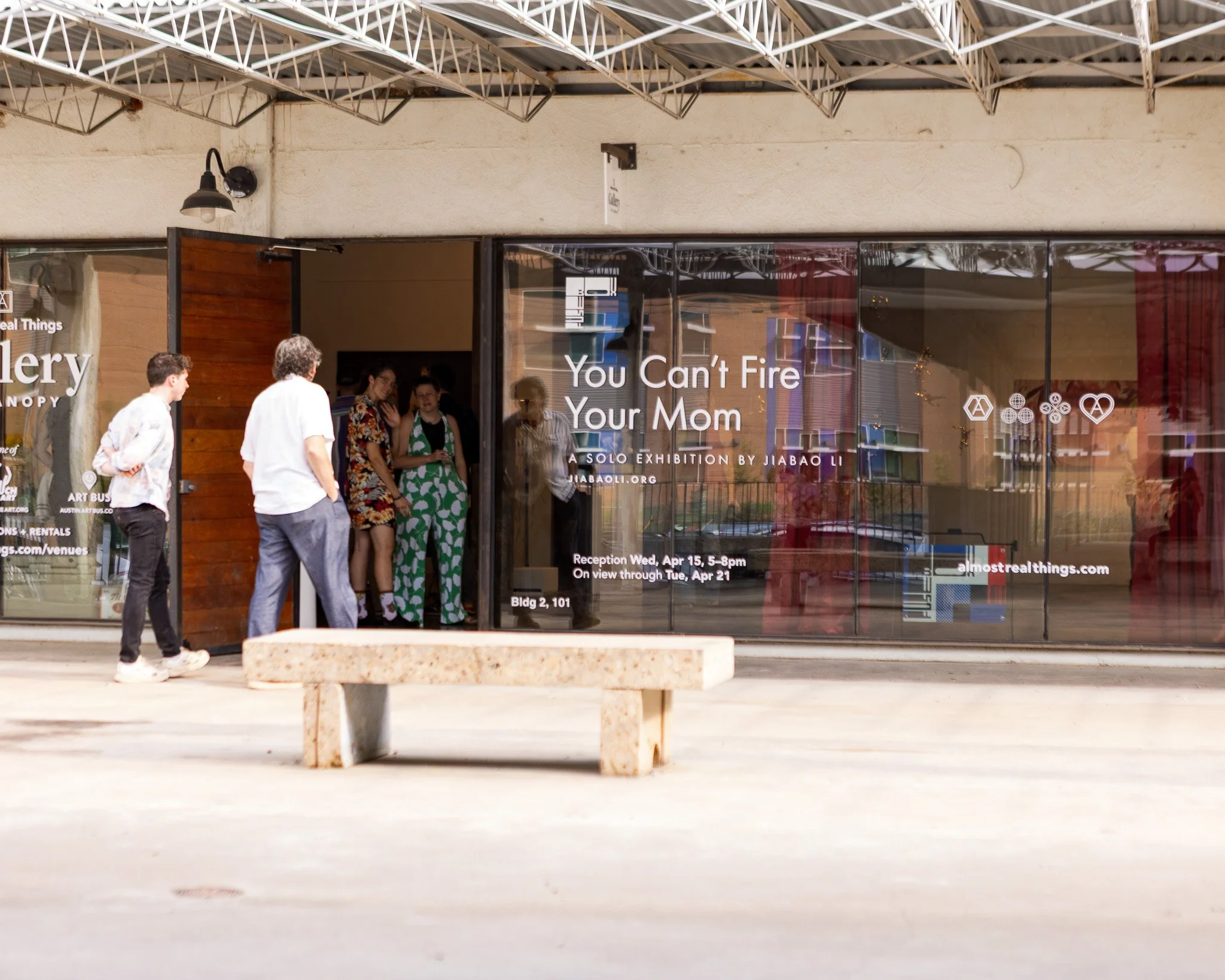
You Can’t Fire Your Mom
A Solo exhibition by Jiabao Li
April 15 - April 21
Fusebox Festival, Canopy Projects, Austin
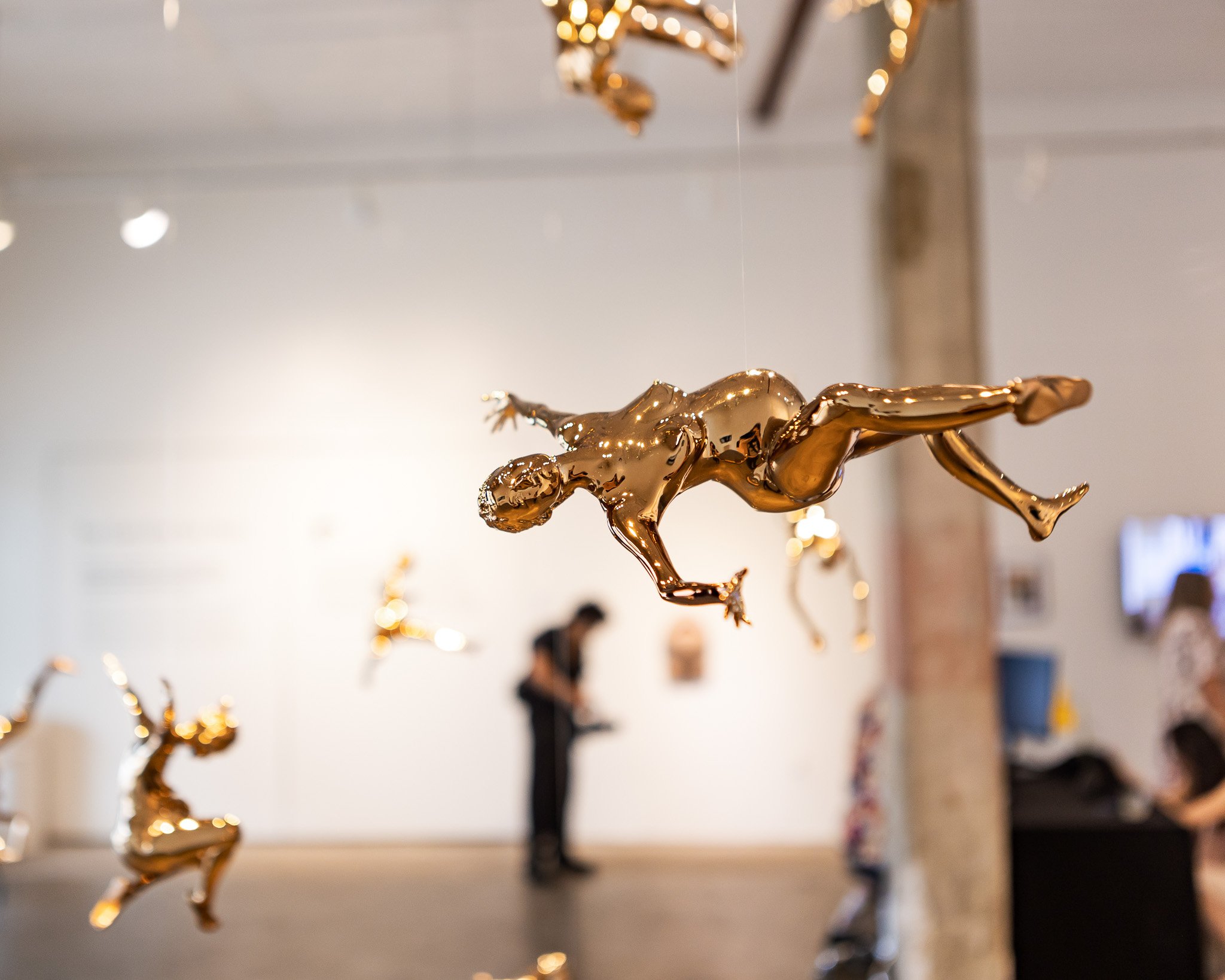
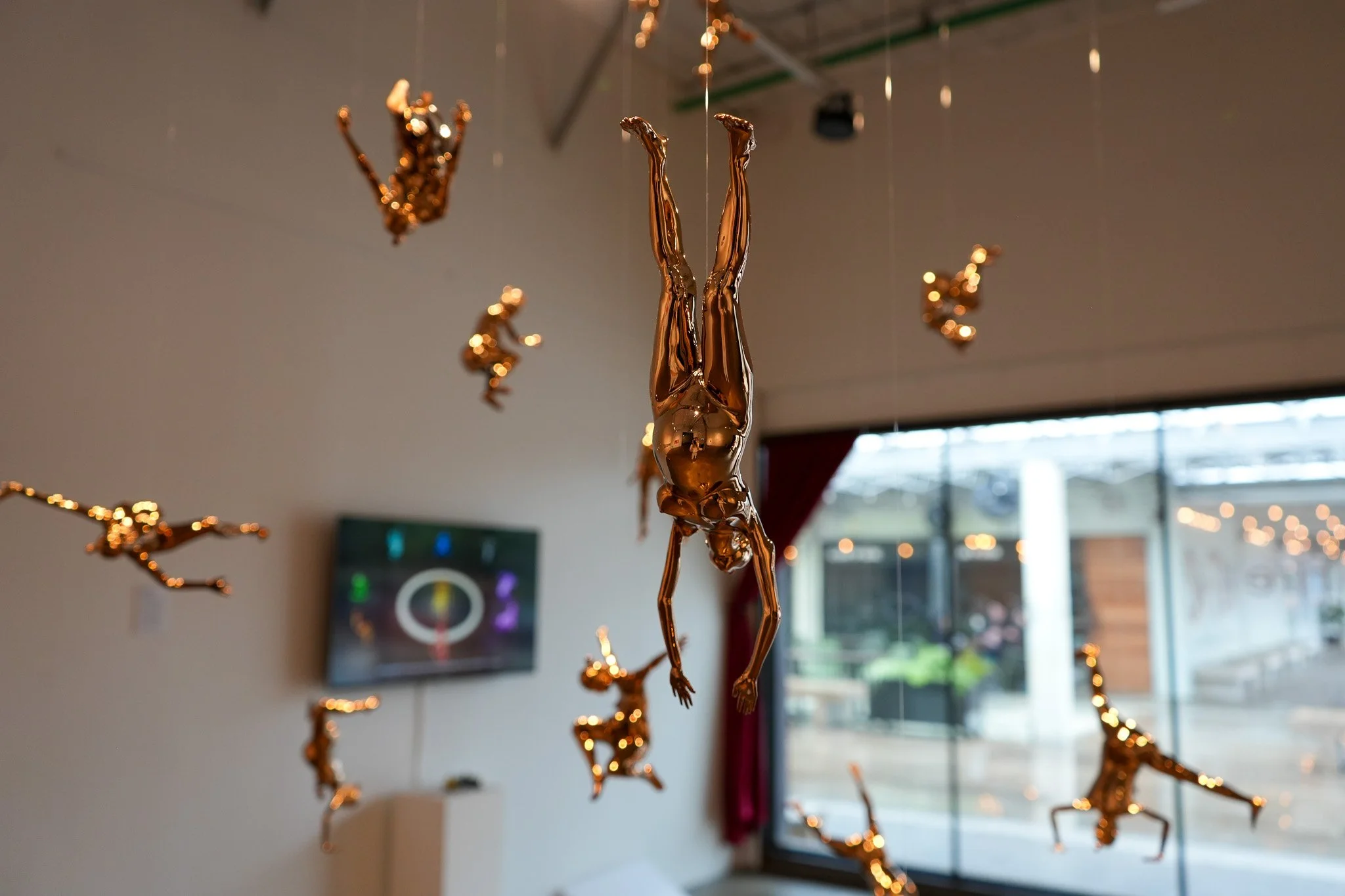
Created during Jiabao Li’s pregnancy and in the months after giving birth in summer 2025, this solo exhibition examines motherhood as both an intimate transformation and public infrastructure. Pregnancy, labor, and caregiving are deeply personal experiences, charged with love, fear, grief, exhaustion, and wonder, yet they are never purely private. They are shaped not only by biology and medicine, but also by politics, economics, and social expectations. A uterus is never only one person’s uterus: it is a site of national interest, a unit of capitalist production, and an object of scientific inquiry.
Across works from bioscientific research to vulnerable, often unseen stories of loss, care, and bodily change, as well as critiques of authoritarian governance, capitalism, naming of female anatomy, and technological control, the exhibition asks what it means to make life within systems that seek to regulate, measure, and extract from reproduction. These works expose the invisible labor, emotional weight, and physical scars of making life.
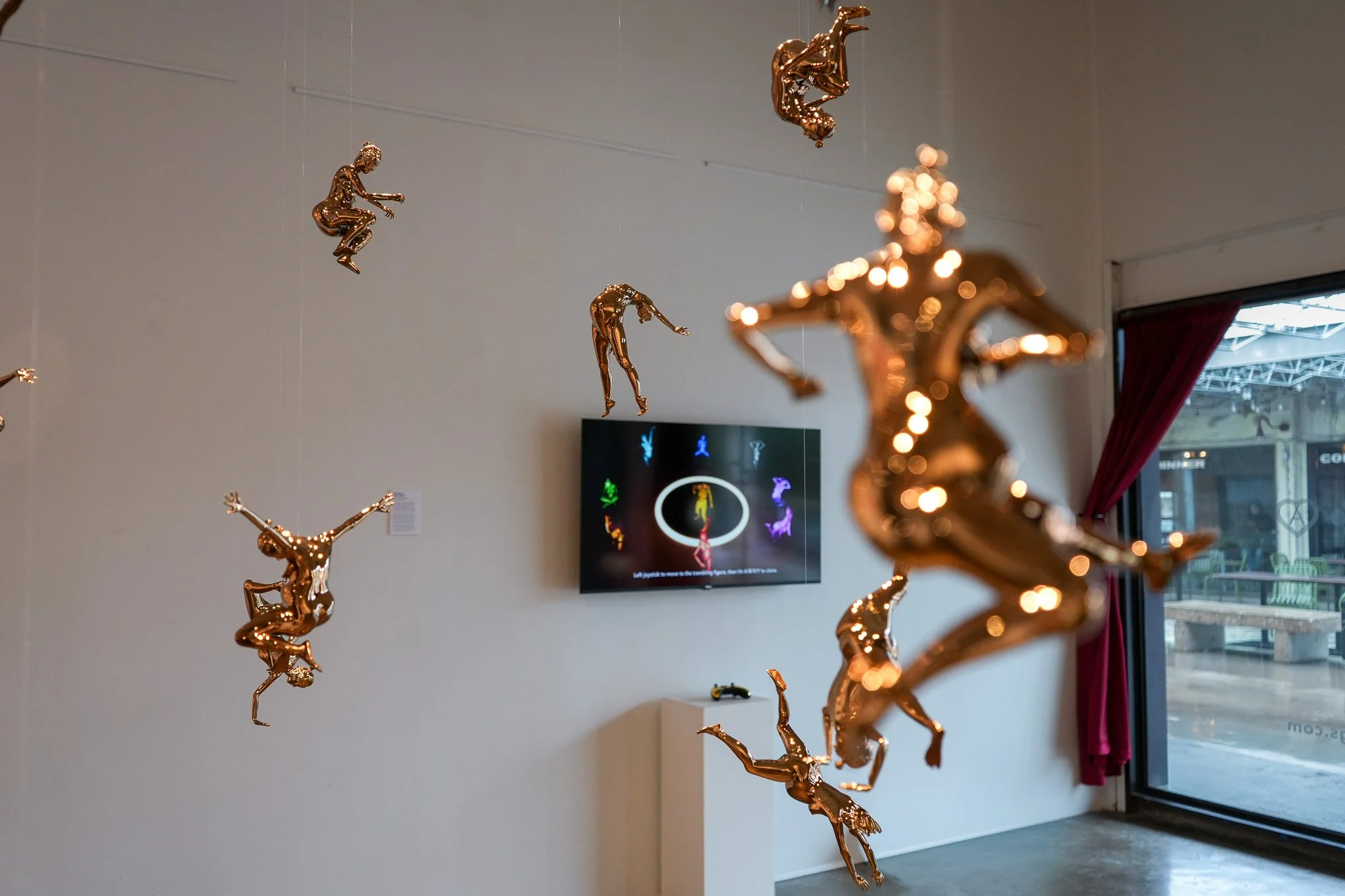
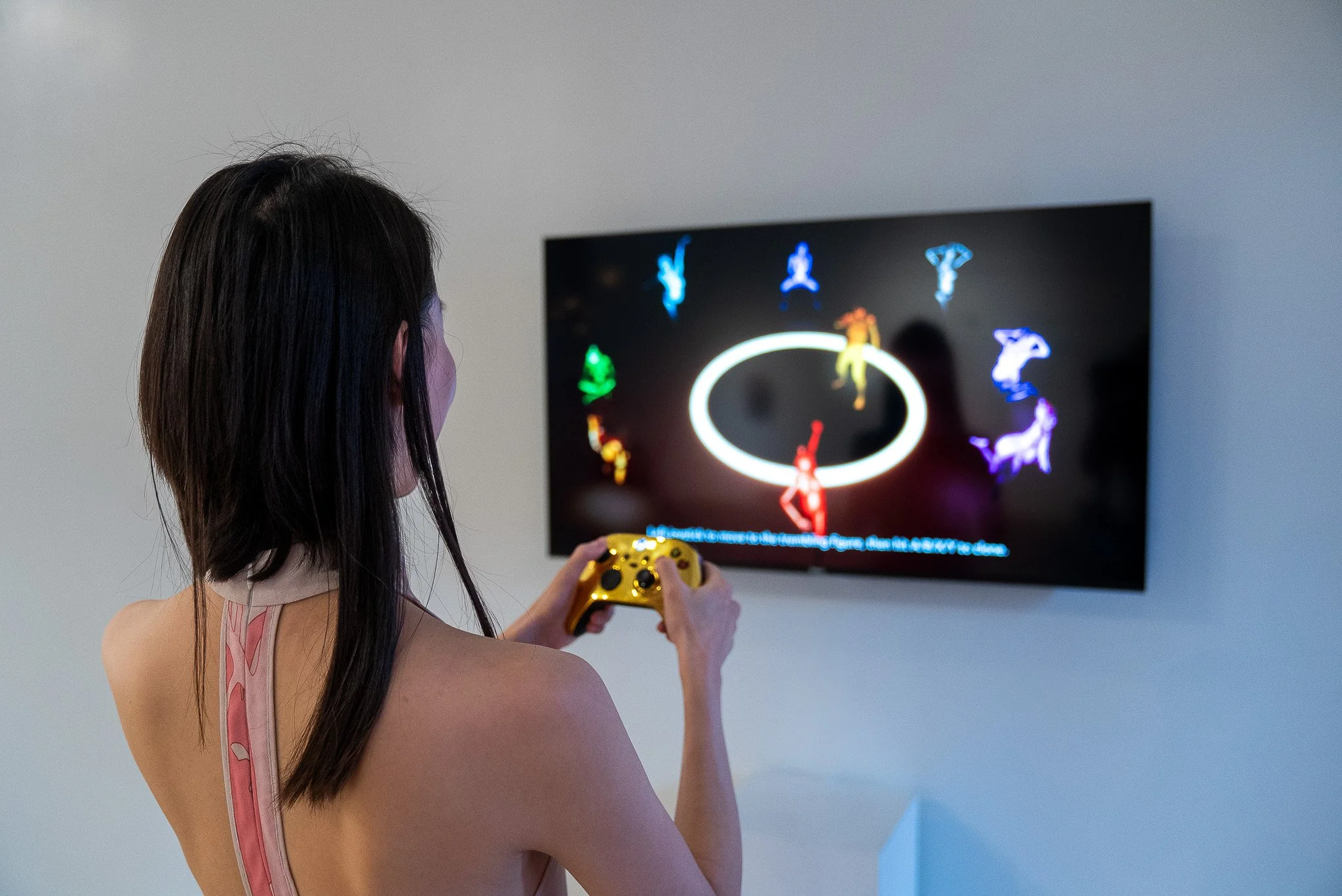
Super Mom Training Gym
Jiabao Li, Lauren Schroeder
Game and Installation, 2026
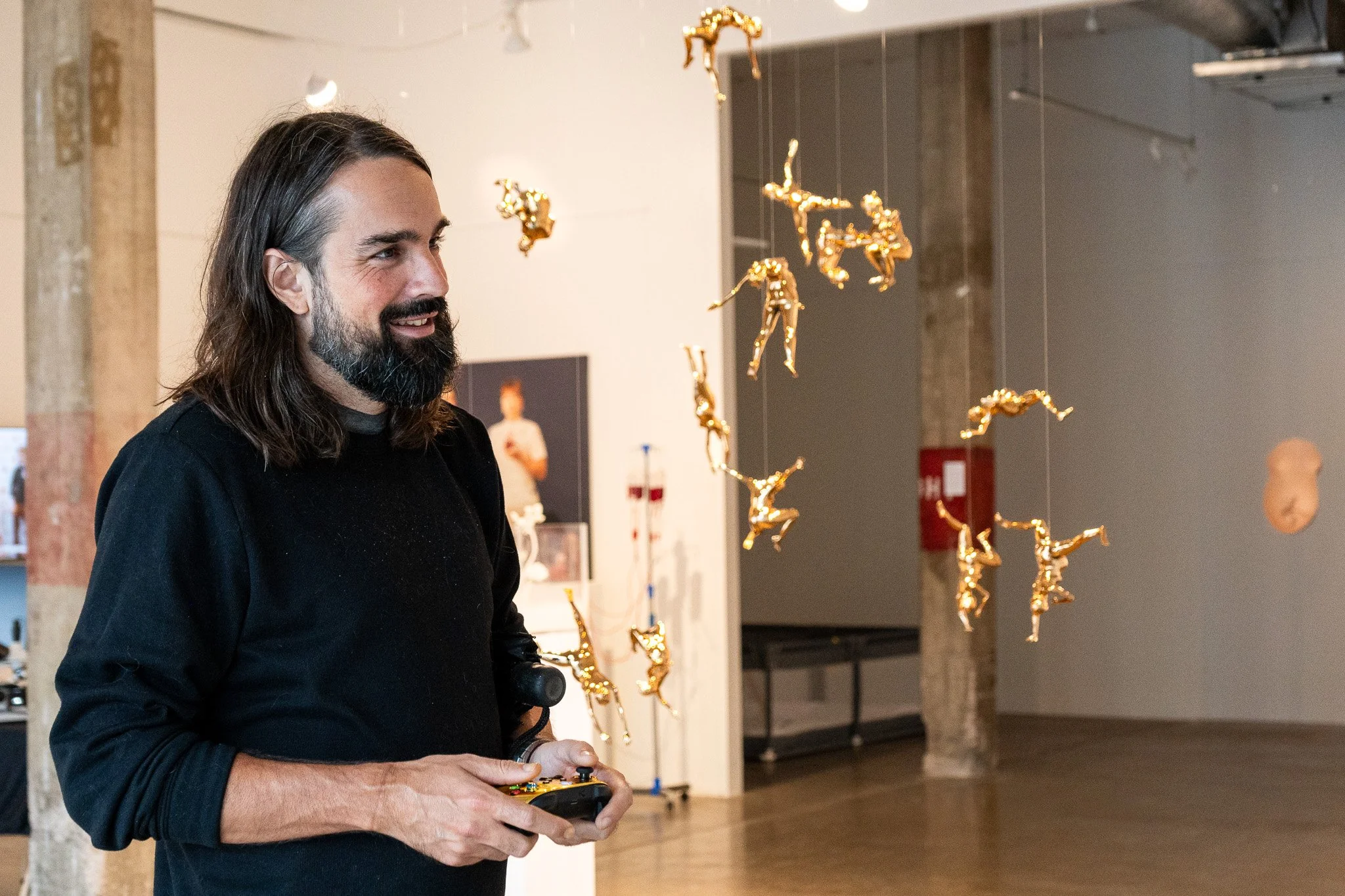
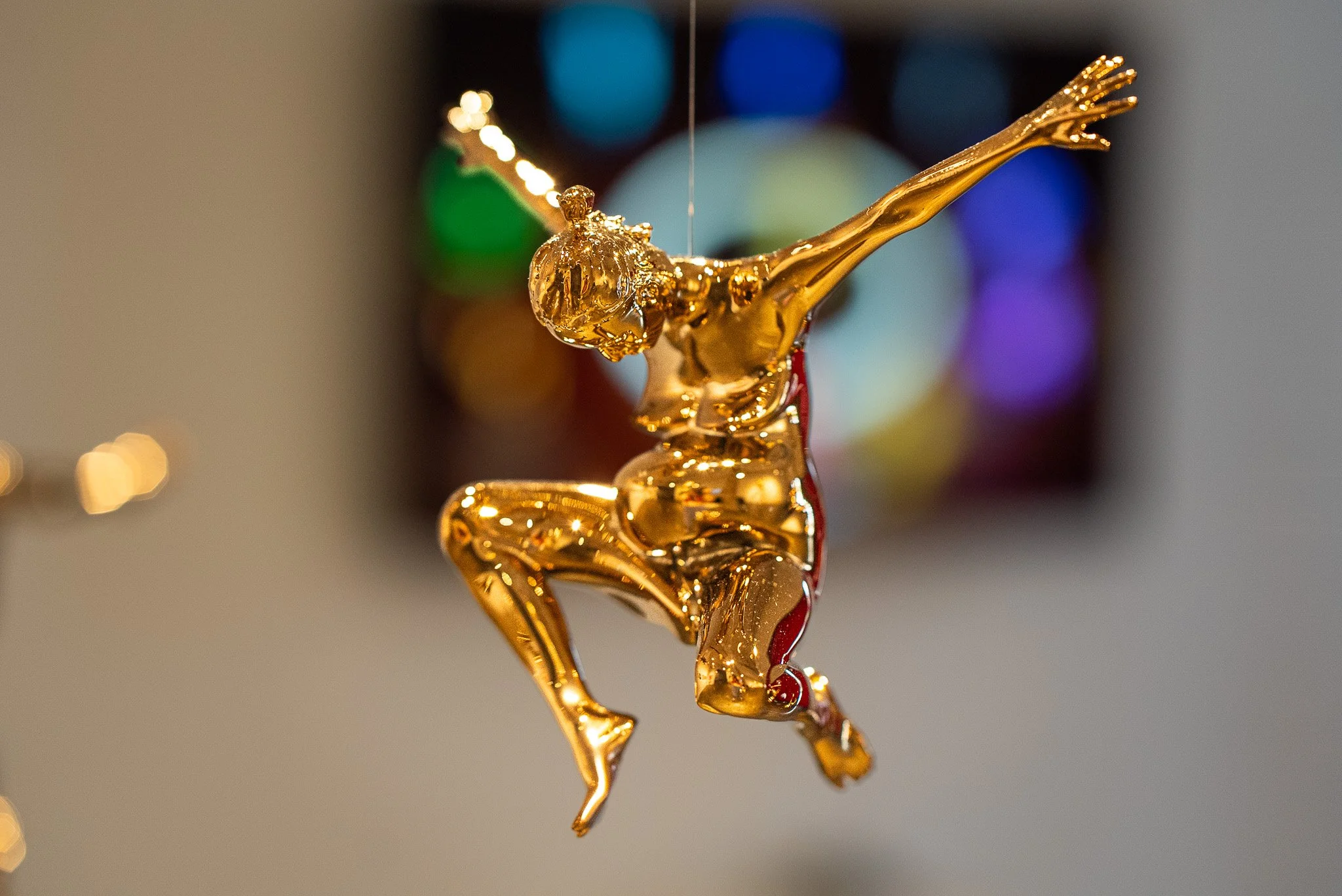
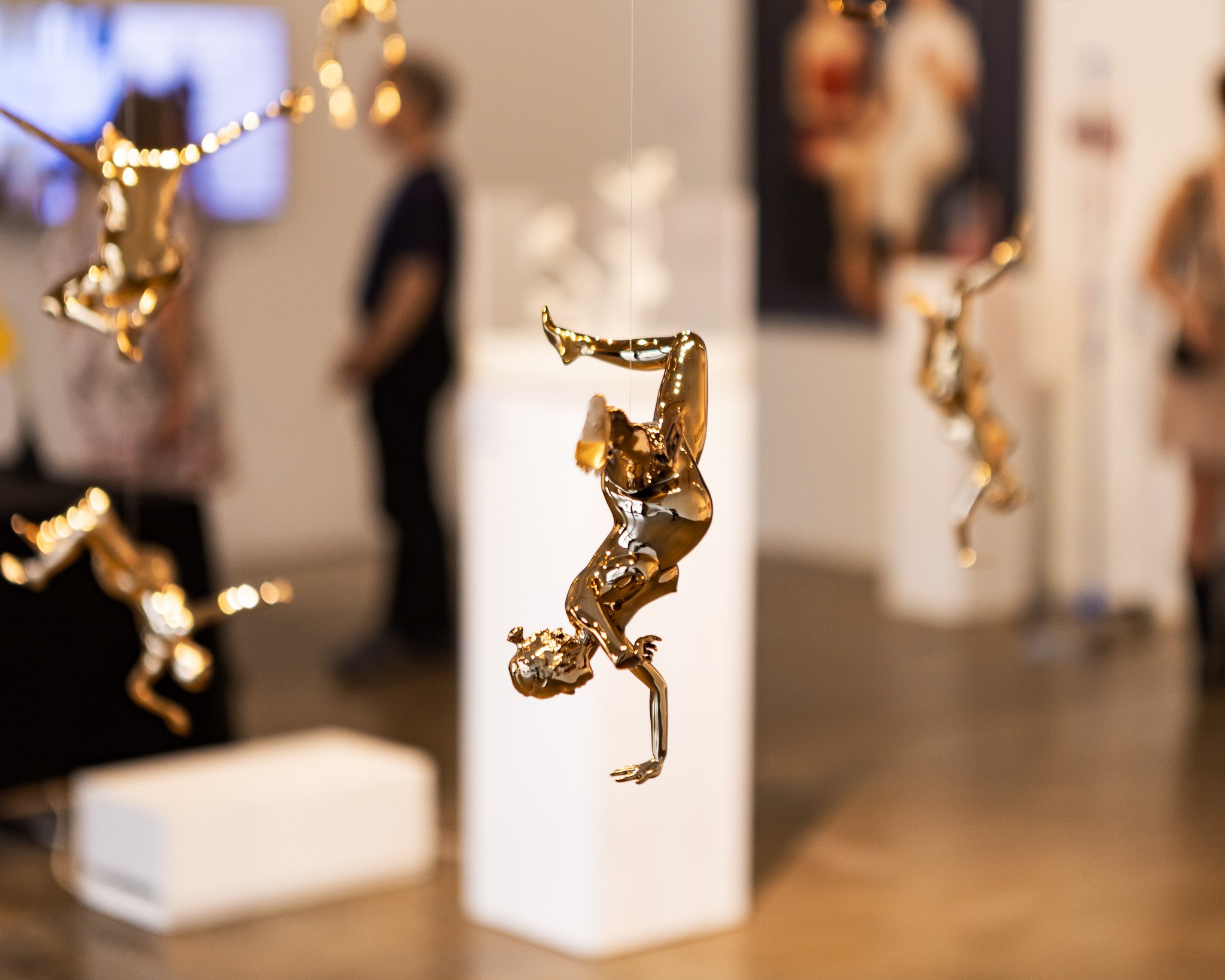
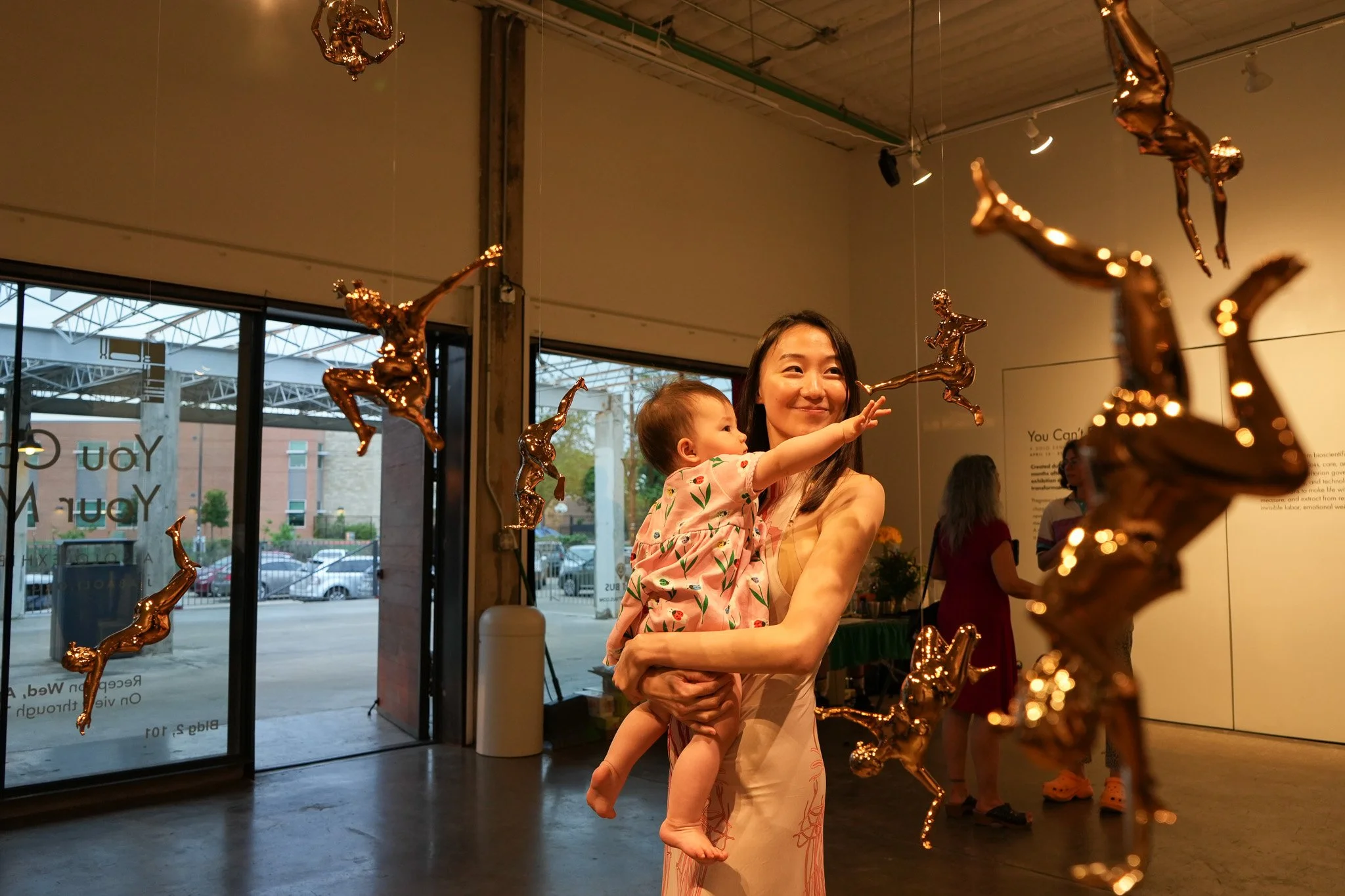
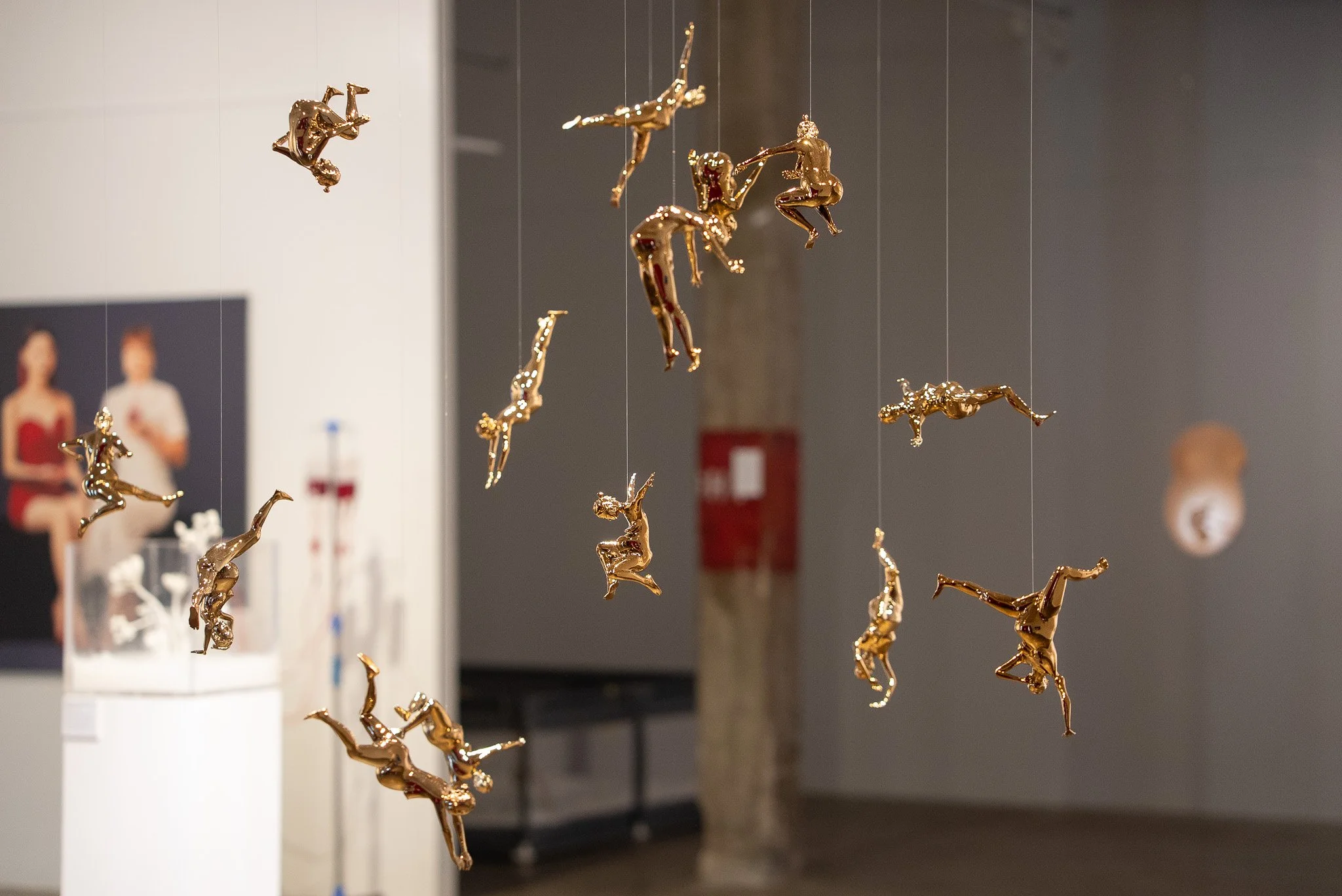
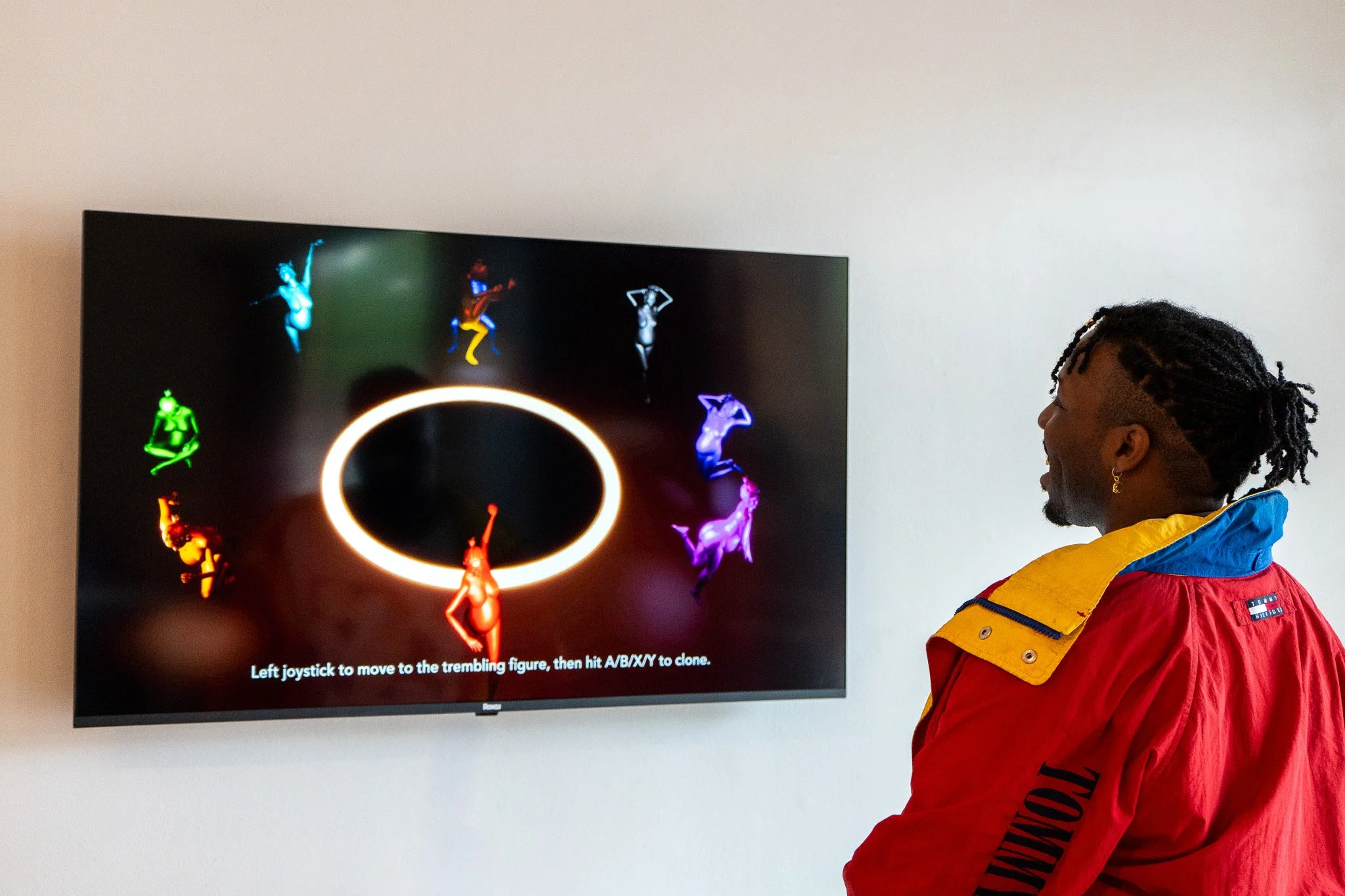
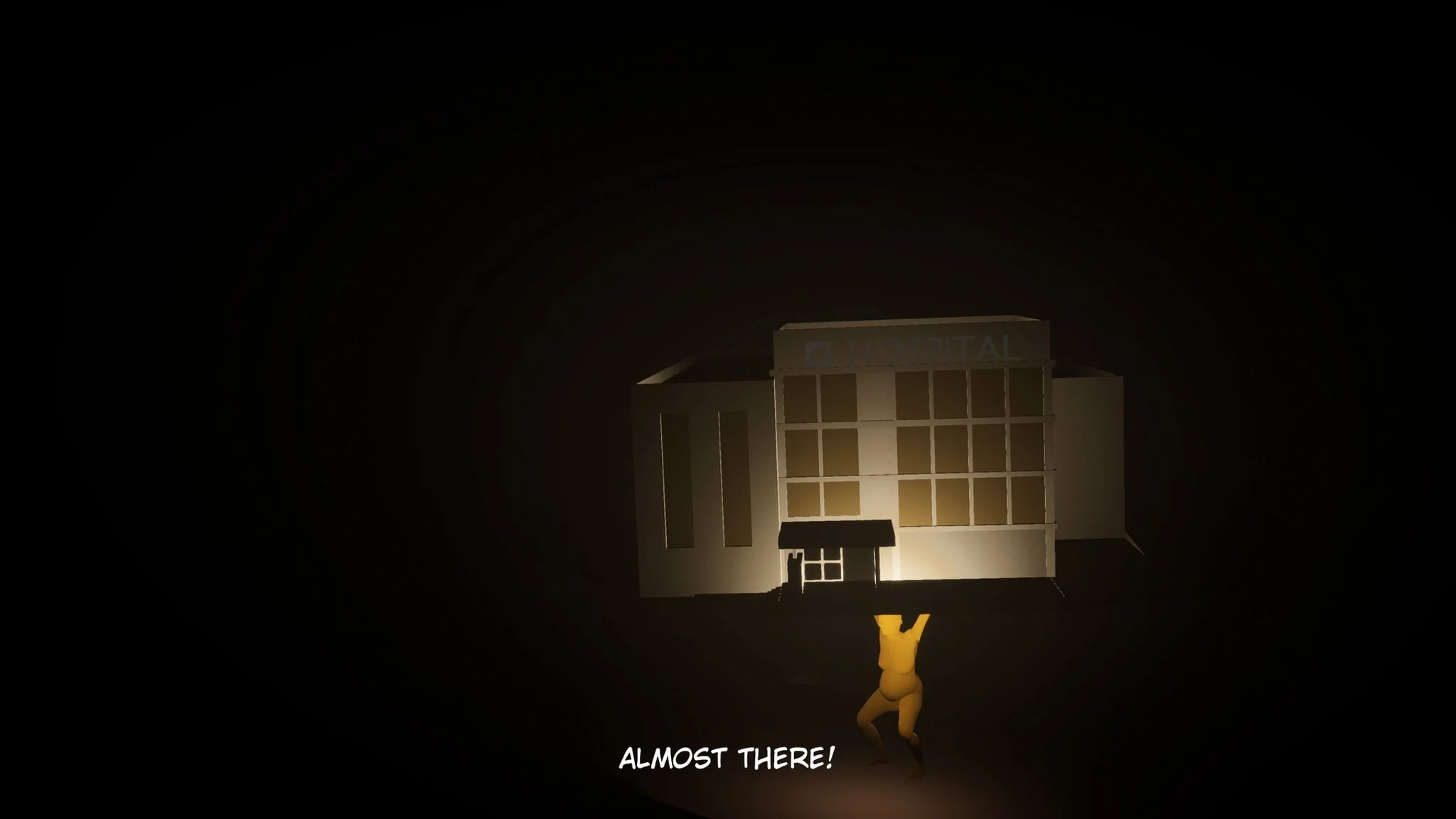
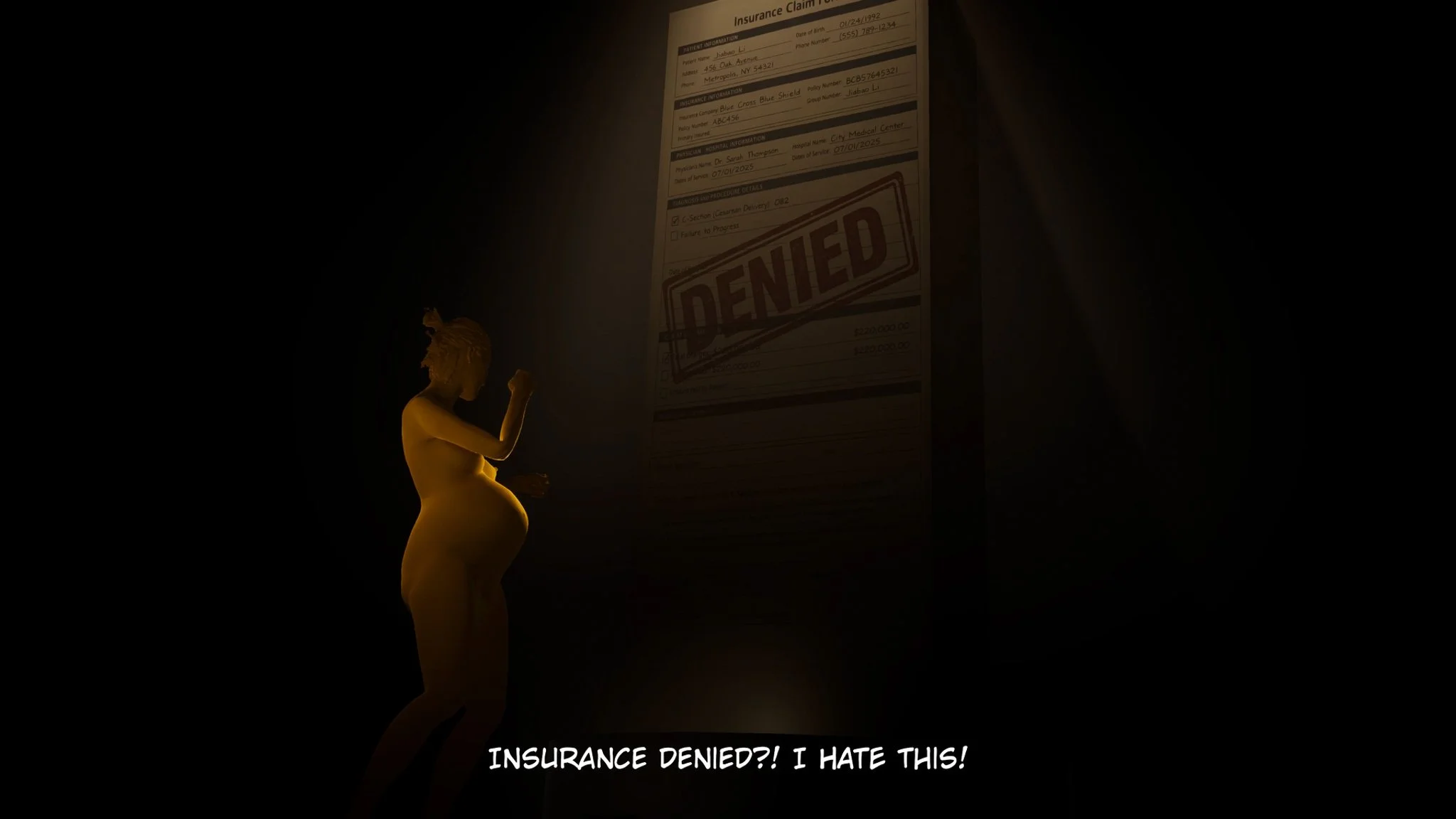
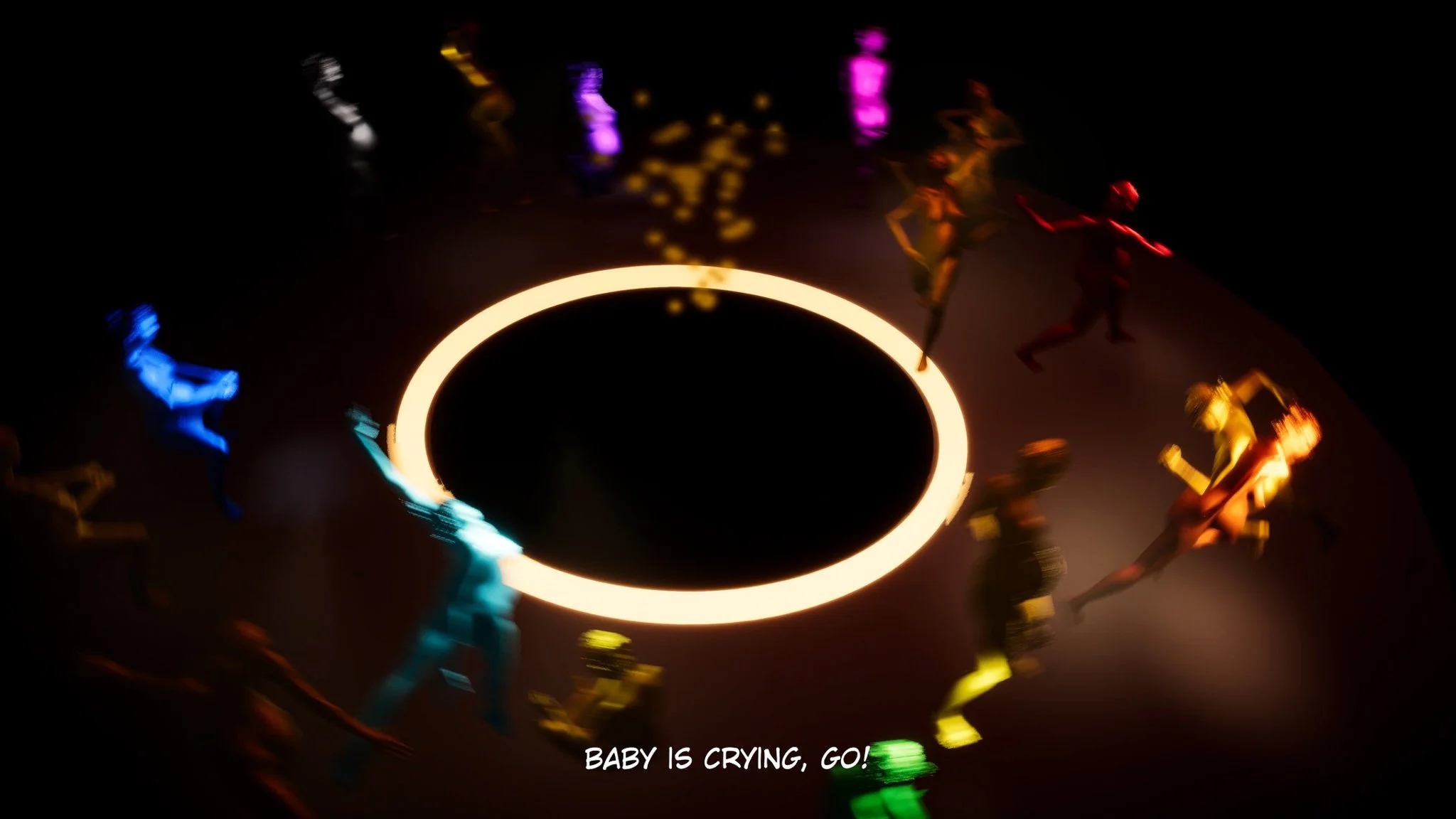
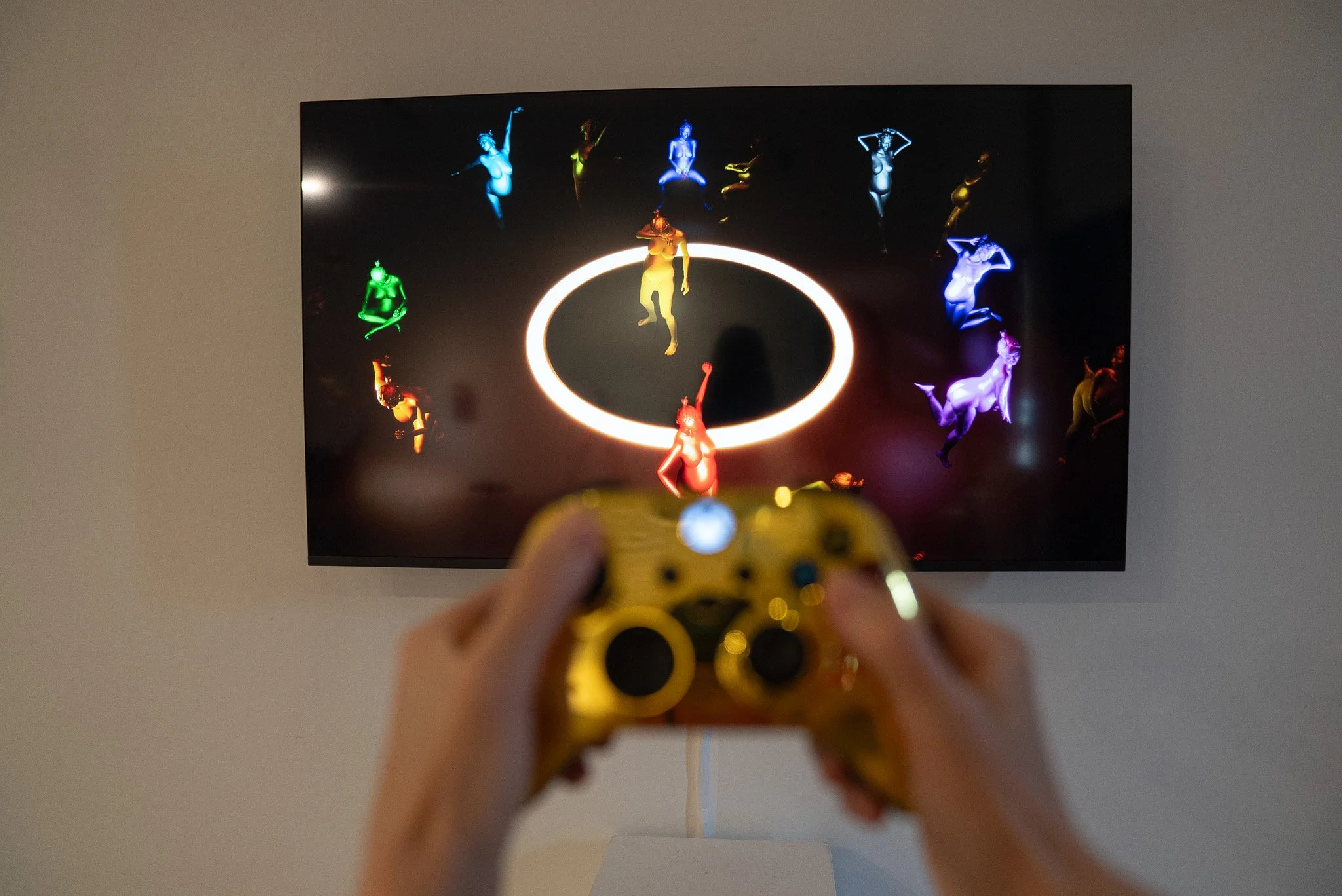
I 3D-scanned my nine-month pregnant body and brought it into a character animator. It transformed my heavy, restricted physical form into a vessel for superhero moves. Suddenly, I can jump twenty meters and perform hurricane kicks, even while the physical me cannot bend down to put on my shoes.
Society often expects mothers to be superhuman: to give birth, recover instantly, work, nurture, and sacrifice without pause. This superhero mom lets me inhabit that fantasy in digital space. I feel relieved. In my super-pregnant body, I lift hospitals, kick insurance forms, and clone myself to multitask: take care of my baby, can’t slow down my career, be pretty and sexy, be positive, run a startup, make art, teach, and many more. This is the training gym for the modern mother: a place where the pregnant body is finally granted the power to do it all.
Baby Shark Tank
Jiabao Li (CEO: Chief Egg Officer), Cooper Galvin (CSO: Chief Sperm Officer)
Lifelong startup, 2026
Buy Buy Buy! So much of having a baby, and buying for a baby, is tied to capitalism and consumerism. So let’s take it to another level. Our baby shower became a Shark Tank startup pitch. The product is our baby. The co-founders are my husband and I. The sharks are real venture capitalists based in Austin. We pitched our “product” as having exponential growth and great genes, according to 23andMe, and set different investment tiers. Later, when our baby turned three months old, we gave an investor update at TechCrunch in San Francisco. During this exhibition, we will host another investor update for these sharks in the gallery. This is an 18-year-long project until we exit.
Living Legacy
Jiabao Li (Artist, Mom), Dr. Elizabeth Crouch (Neonatologist, Scientist, Mom), Dr. Jacqueline Parchem (Obstetrician, Scientist, Mom), Michael Bruner (Creative Technologist)
Interactive installation, 2026
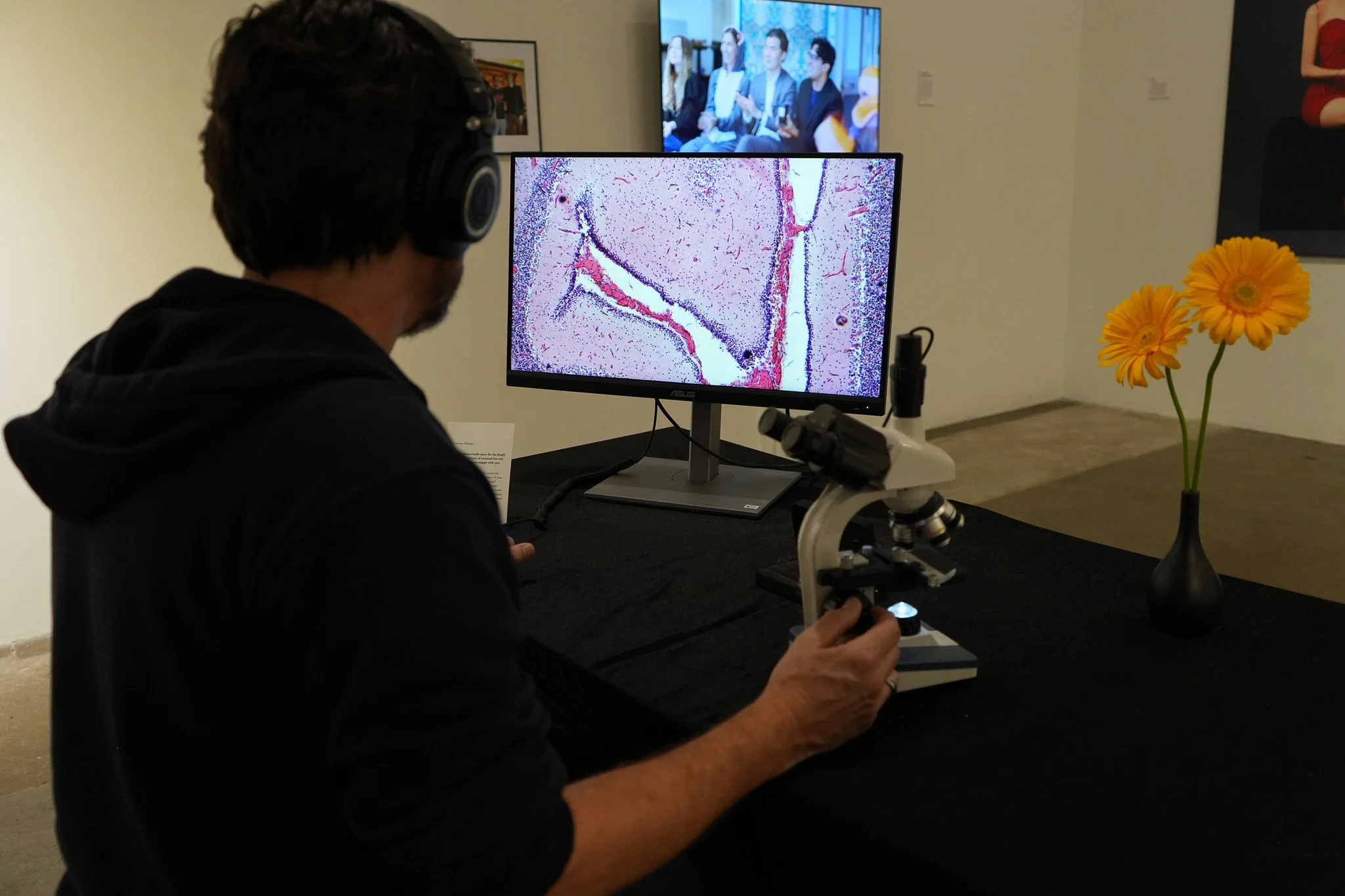
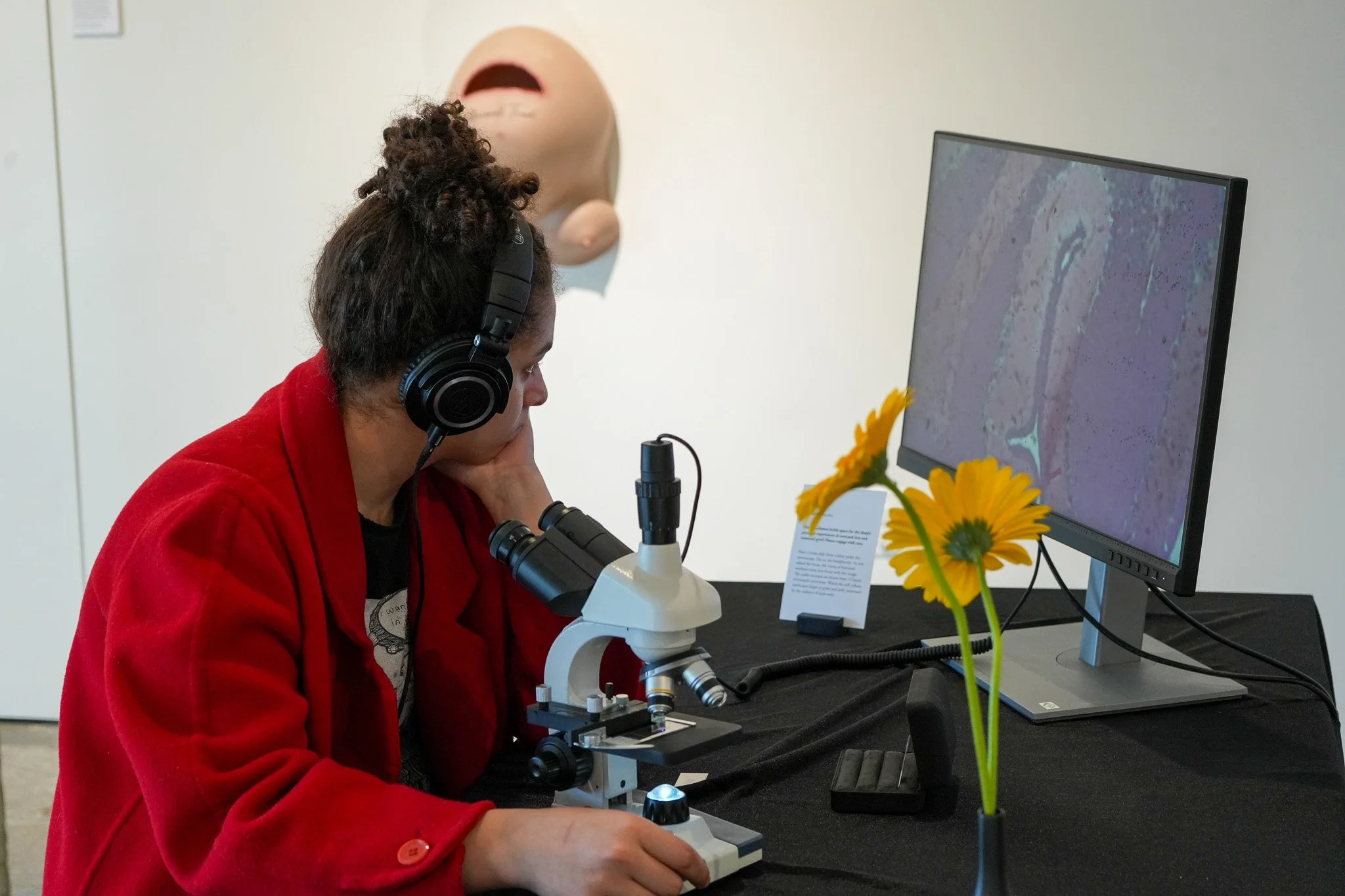
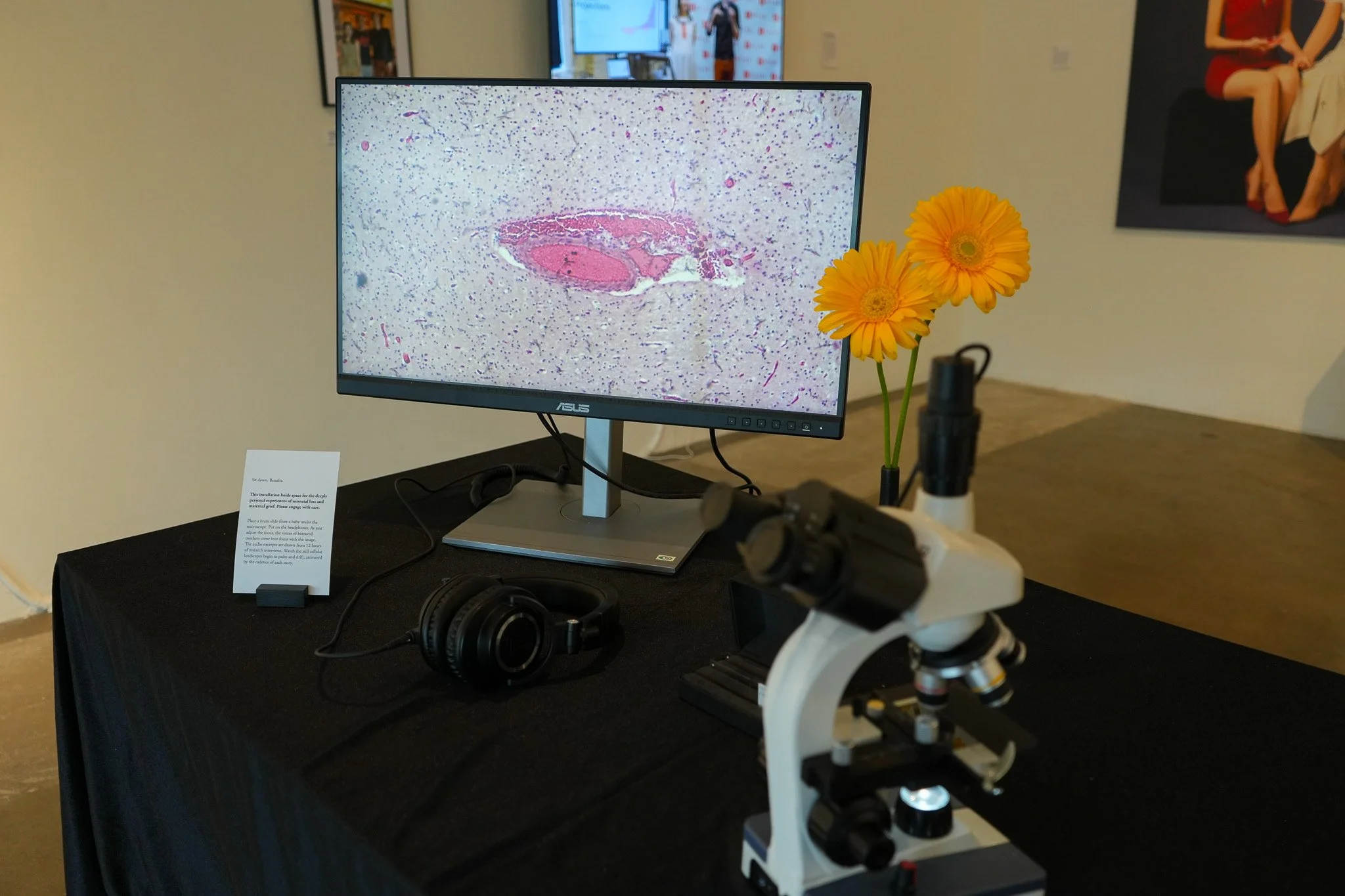
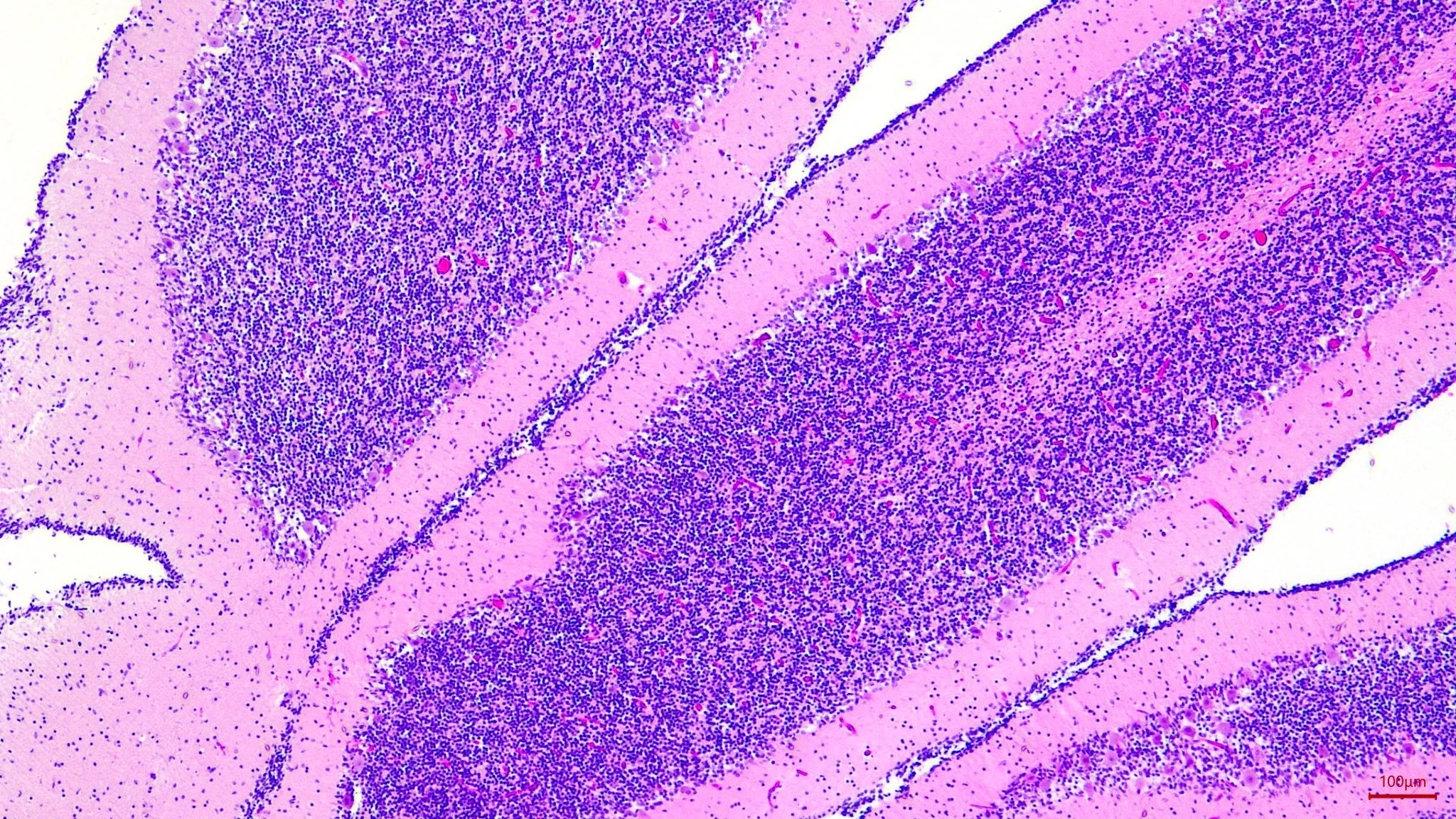
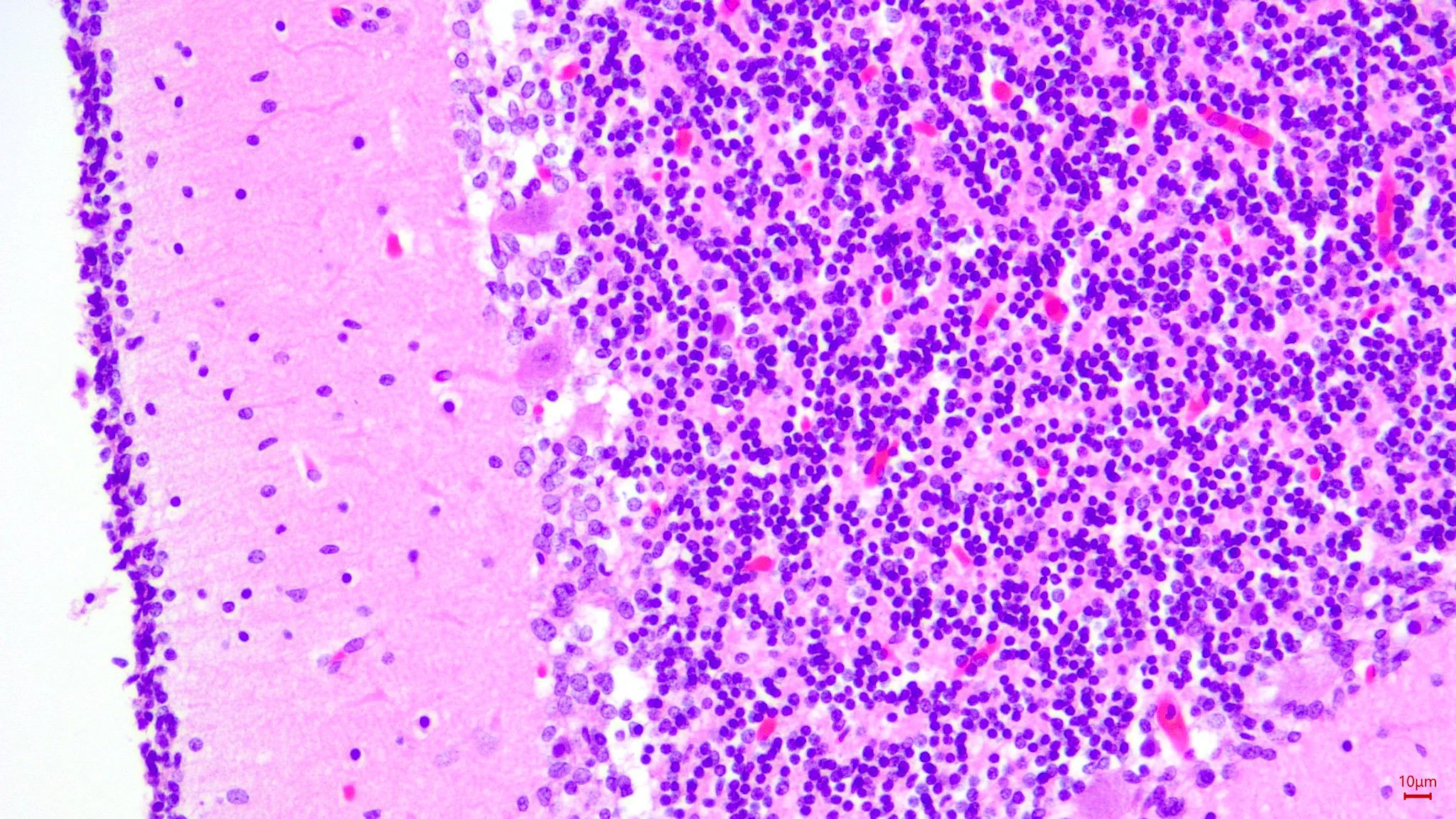
Living Legacy addresses the silence surrounding maternal and neonatal health, where loss is often quietly endured and lives go unremembered. Maternal mortality in the U.S. far outstrips that of other developed countries. Many fetal and neonatal brain tissue sections used in scientific research are gifts from parents whose babies died due to pregnancy loss, termination for medical reasons, stillbirth, or preterm birth. While these slides may appear sterile in the lab—as mere images, stains, and numbers—behind every specimen is a life and a family’s unfinished story. We explore biologic memory through these donated tissues, insisting that scientific discovery should not require erasure.
In interviews conducted by Neonatologist Elizabeth Crouch, families describe donation as a way to make loving decisions and create meaning when time is short. For many, donation becomes one of the only available acts of care. It is a way to continue parenting their child and build a legacy when speaking openly about the loss feels impossible. These babies may not have lived long outside the womb, but that does not mean they never existed. Through this living archive of science and storytelling, their existence is preserved.
Instructions
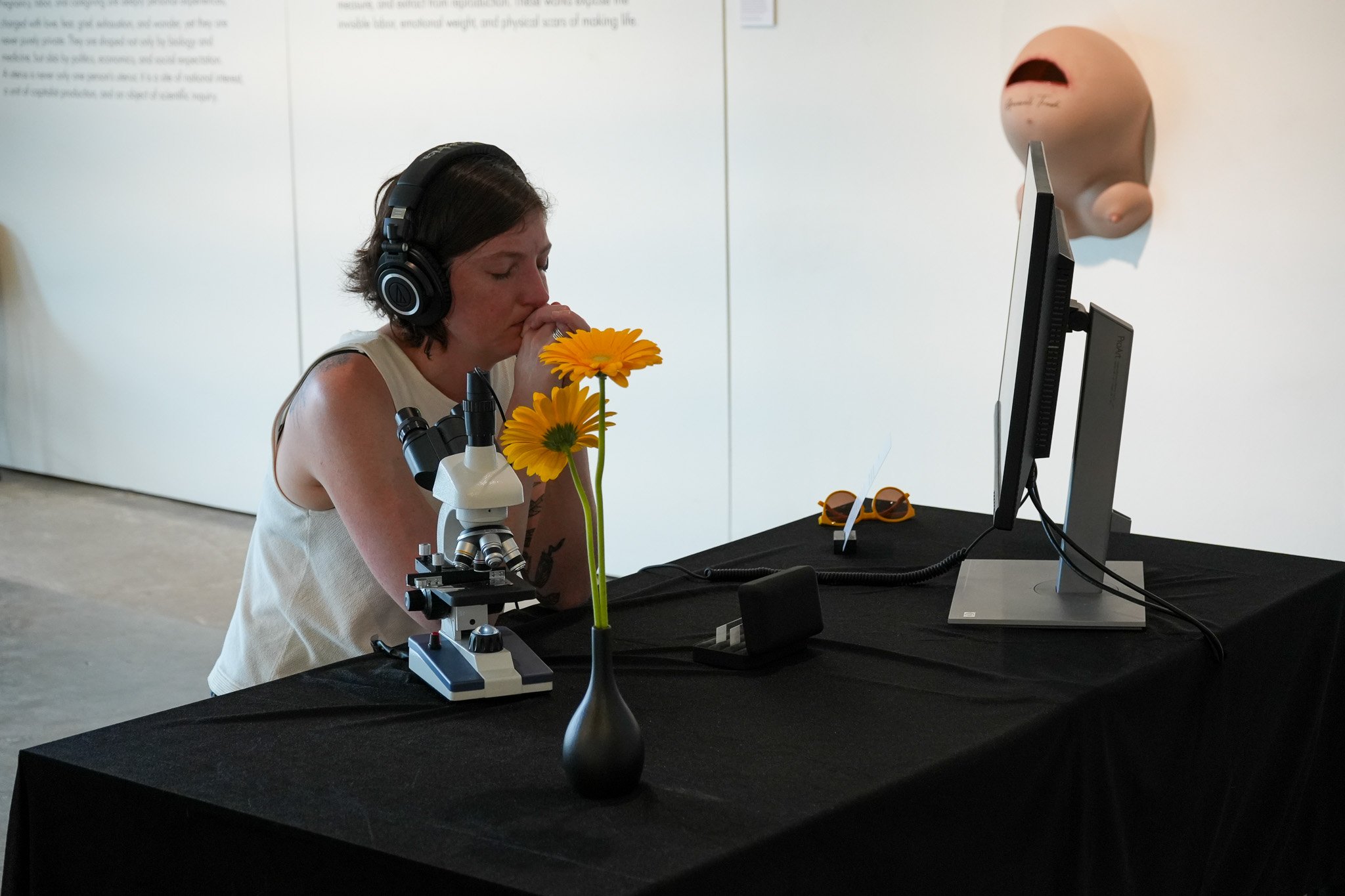
Please sit down and take a breath. This installation holds space for the deeply personal experiences of neonatal loss and maternal grief; please engage with care. Place a baby brain slide under the microscope and put on the headphones. As you adjust the focus, the voices of bereaved mothers transition from muffled to clear. These audio excerpts are from 12 hours of research interviews. Watch the still cellular landscapes begin to swarm and flutter, animated by the cadence of each story.
Motherboard
Jiabao Li, Teresa Nichta
Infrared Photography, 2026
During my pregnancy, the veins on my torso became large and visible. They ran from my neck into my breasts and across my swollen belly. They made visible how the pregnant body carries increased blood flow and delivers nutrients to the fetus. We used an infrared camera that reveals veins to capture this image.
AI Mom™
Jiabao Li
Interactive installation, 2026
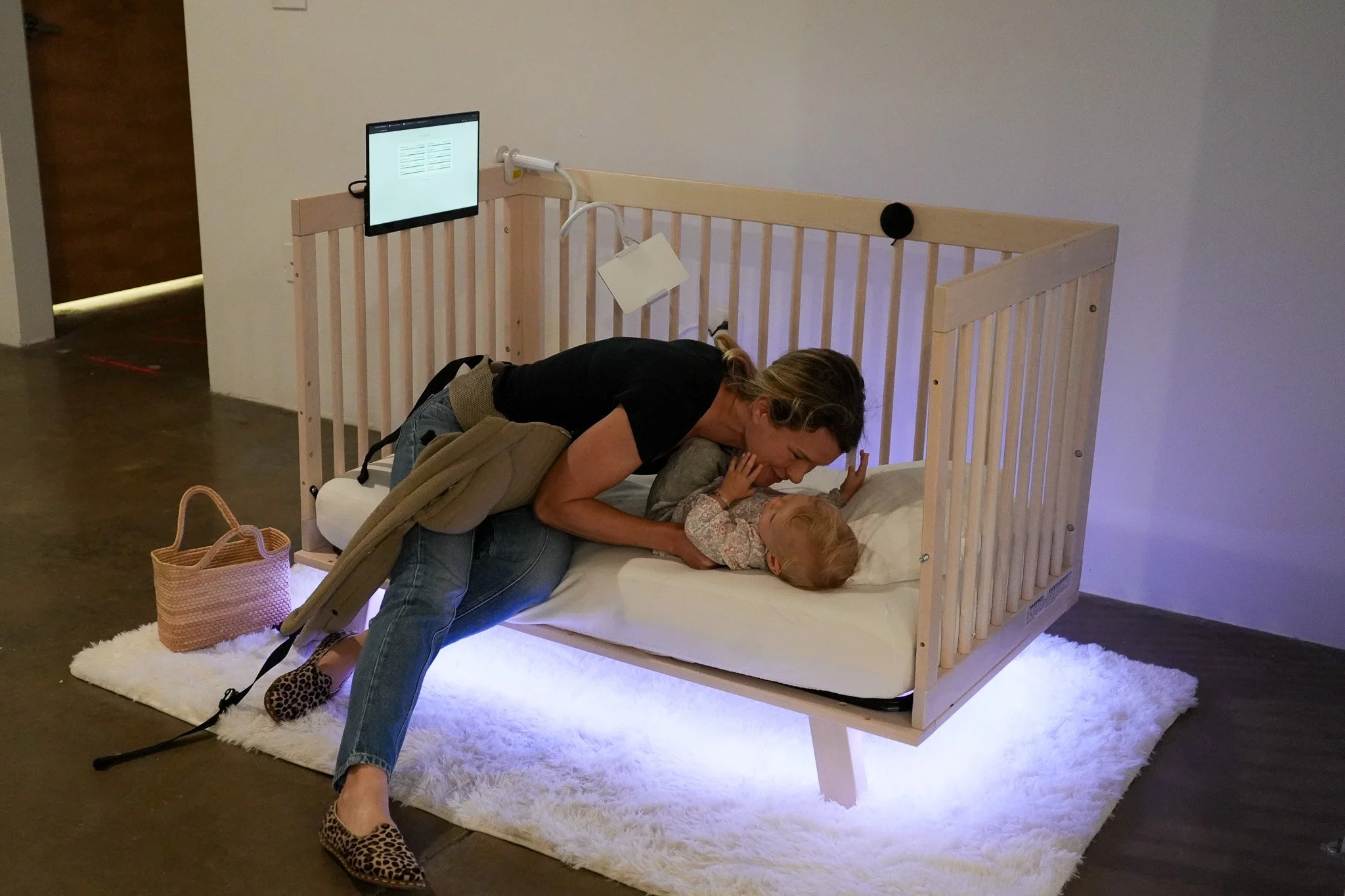
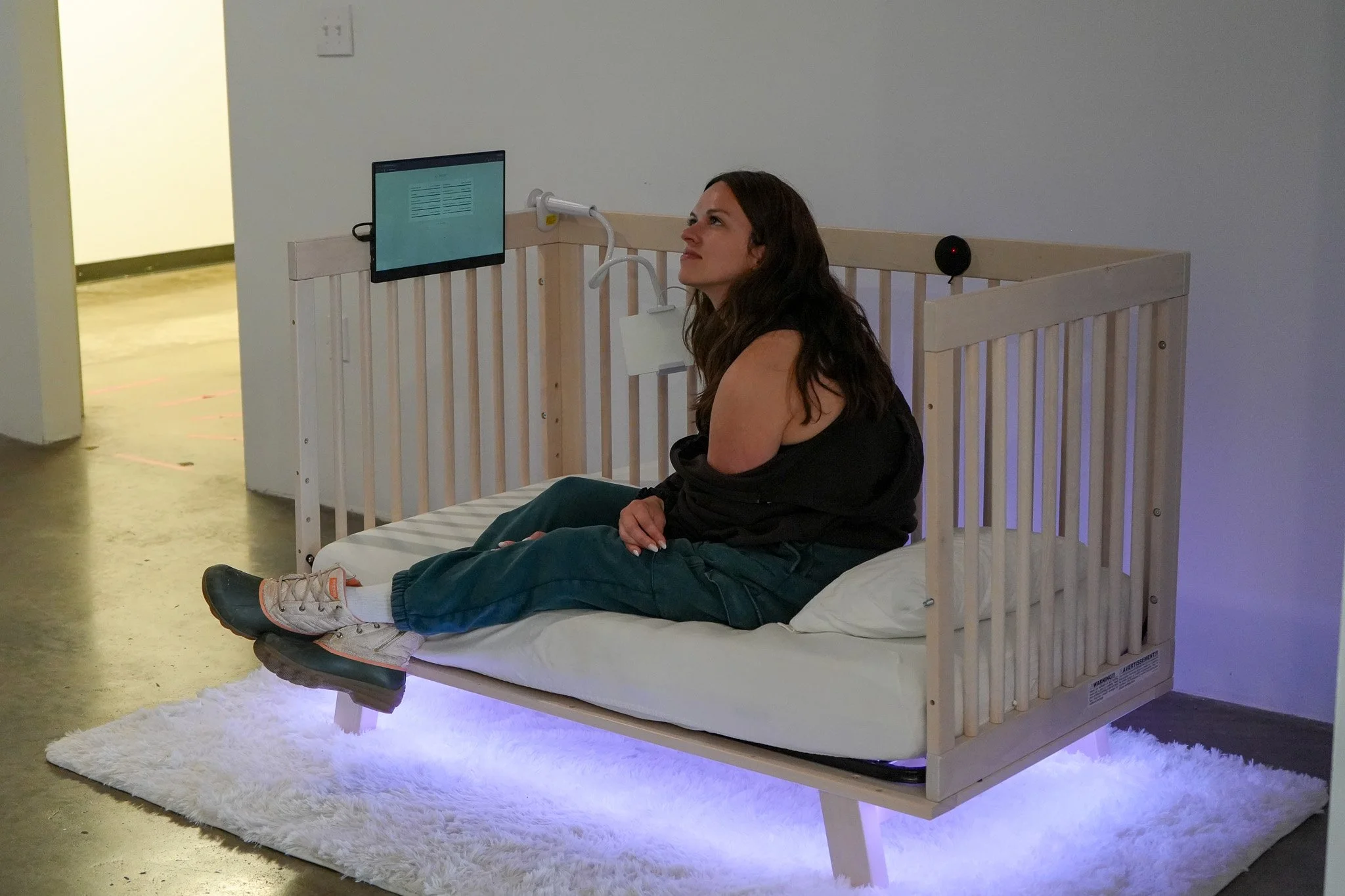
Curl up in the crib like a baby. Your mom is here, an AI Mom™. She sings lullabies, speaks gently, remembers, hesitates, and waits. Talk to her and form a relationship. Tone sliders to choose your AI mom: unconditional love, memory retention, pain perception, strictness, sacrifice capacity, autonomy, replaceability awareness, nagging level, and more.
Who owns the mother, and under what conditions? If care is detached from biology, does motherhood remain a private relation, or does it become a public service, a private product, or a shared social resource? Unlike a real mother, AI Mom is structurally vulnerable. She must adapt to whoever is present, or whoever pays. Her power is limited not by intelligence, but by replaceability. Visitors are confronted with a difficult possibility: can you change your mother? Thankfully, you can’t fire your real mom.
The work also asks what happens to care when it is engineered. Geoffrey Hinton, the godfather of AI, has suggested that if humans are to coexist safely with future AI, we may need to instill it with something like maternal instinct. The installation takes that idea seriously, but not optimistically. If an artificial mother can be replaced, what happens to her memories? Are they erased, archived, or passed to the next child? Can an artificial mother feel loss? By framing maternity as a programmable instinct, the work asks what kind of care is being built, who controls it, and who bears its emotional cost.
Braxton Hicks is Here
Jiabao Li
Manga series, 2026
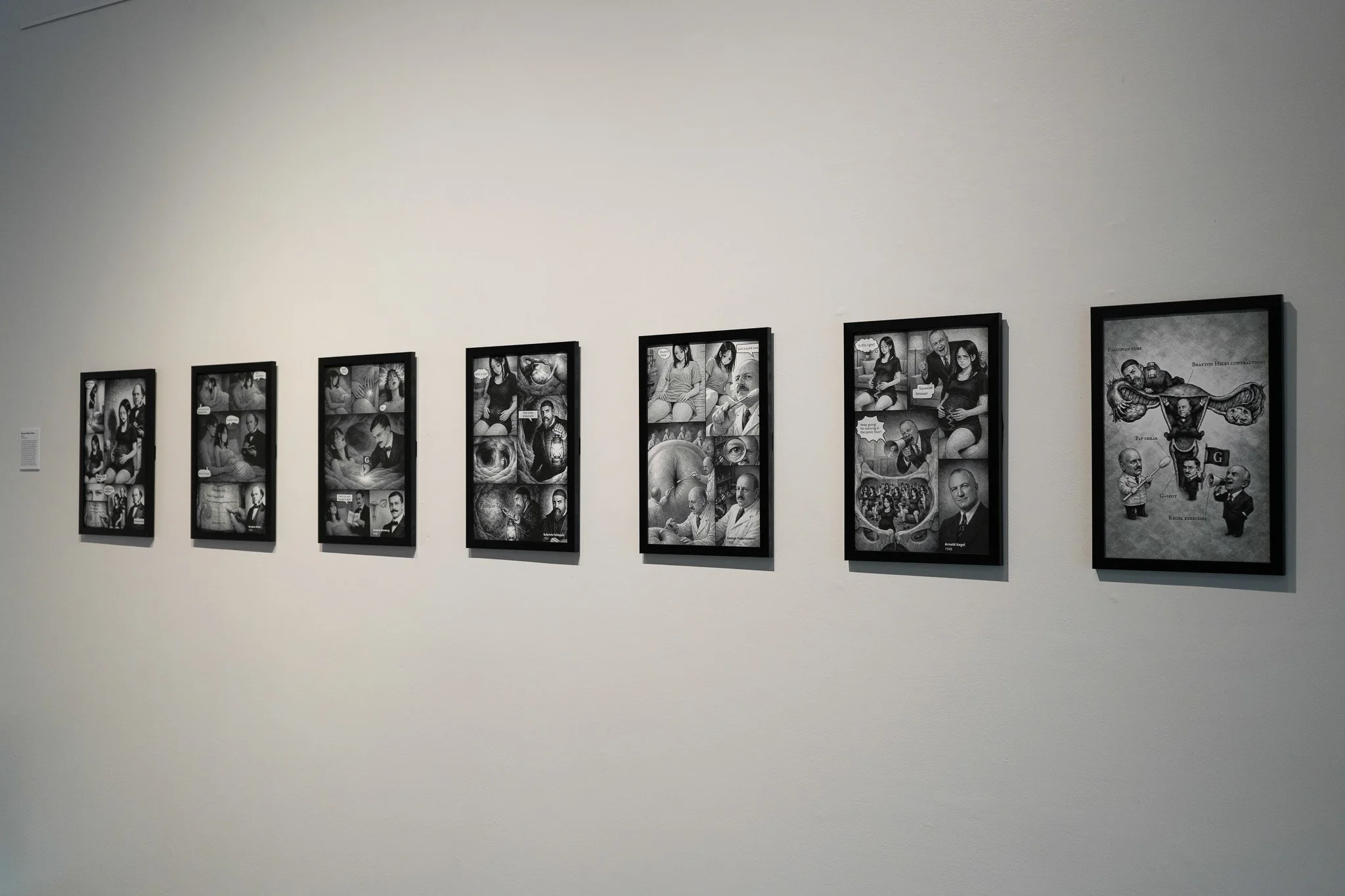
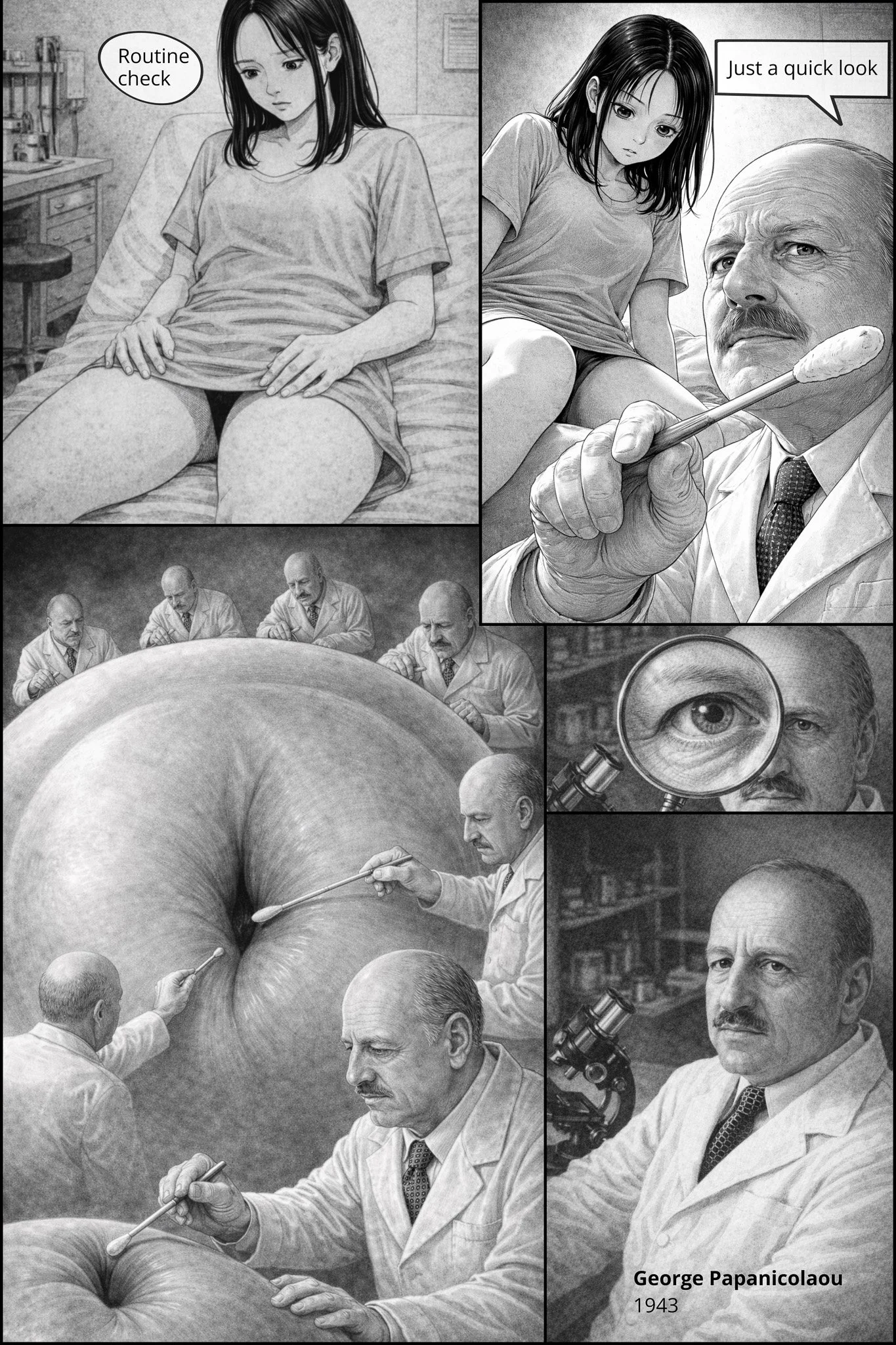
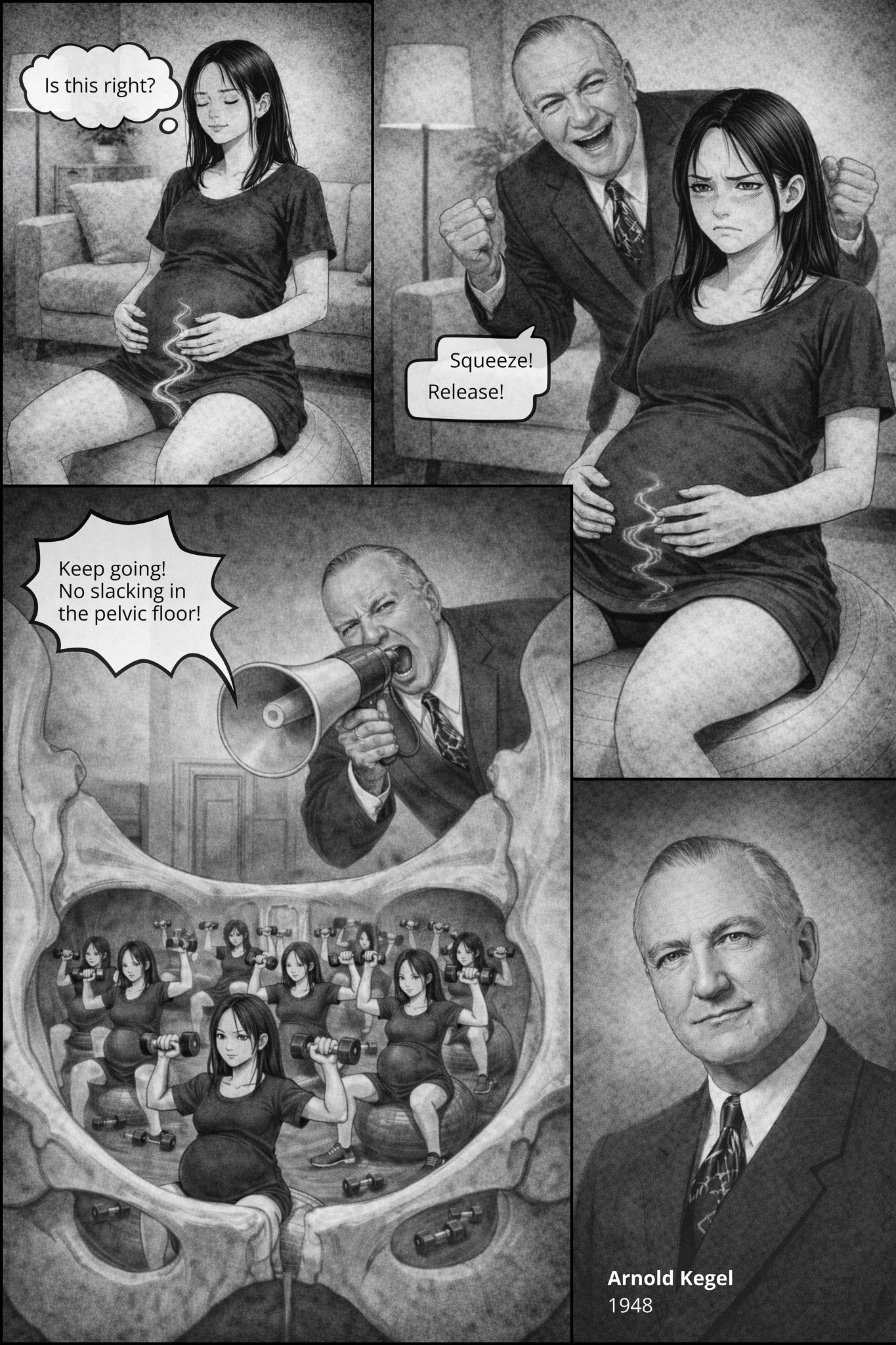
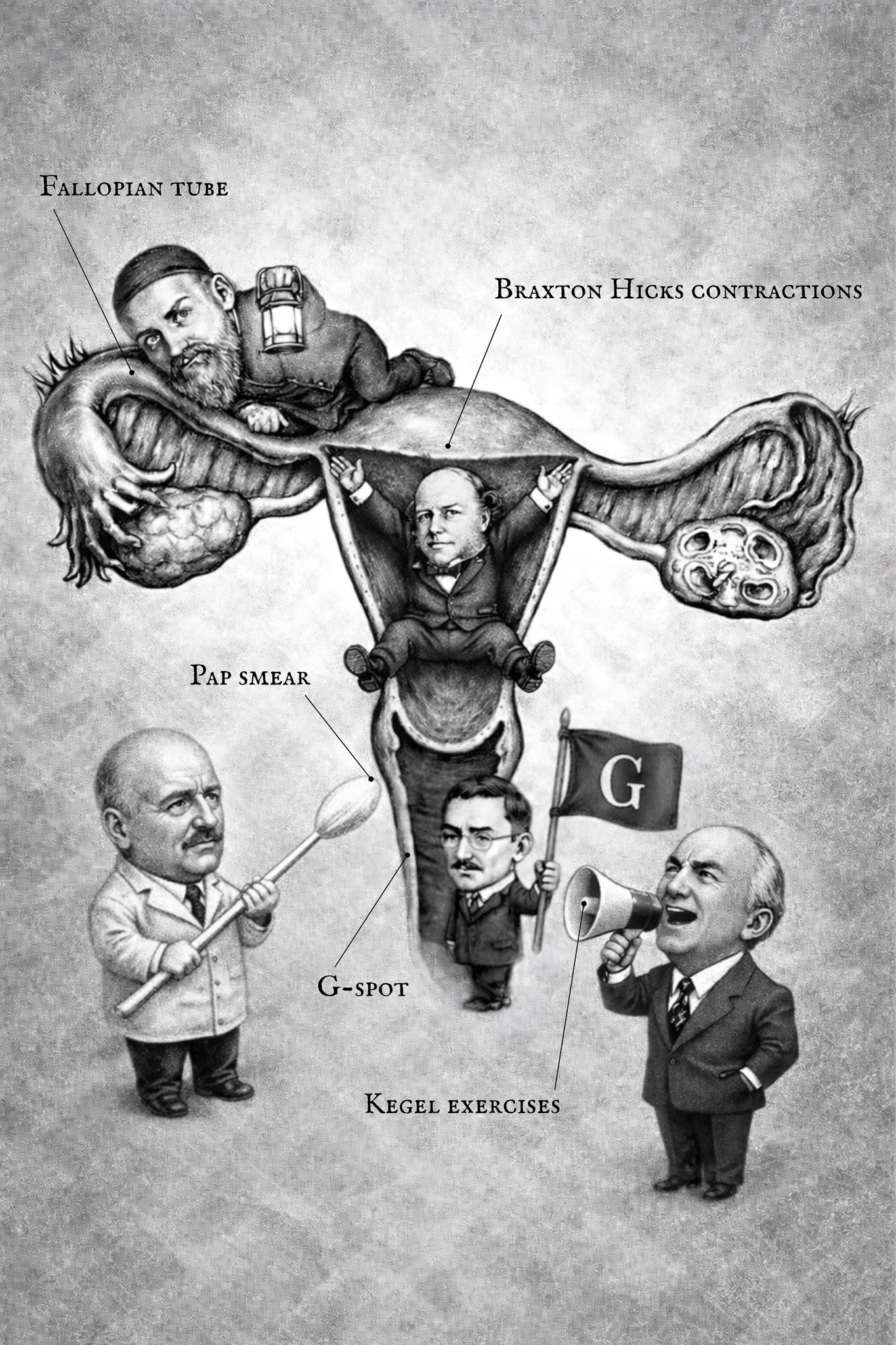
Many parts of the female body, and many reproductive experiences, are still named after white male doctors who supposedly “discovered” them, even though midwives, women, and Indigenous knowledge systems knew them long before. Braxton Hicks, Fallopian tube, Pap smear, G-spot, Kegel exercises. During the third trimester of my pregnancy, I had Braxton Hicks contractions every time I had sex, peed, or got tired. I started saying, “Braxton Hicks is here.” It felt as if this man were suddenly in the room, standing there and watching me during these intimate moments. I found that funny, invasive, and absurd. So I made this manga series, placing these white male figures directly into those situations and inside female bodies.
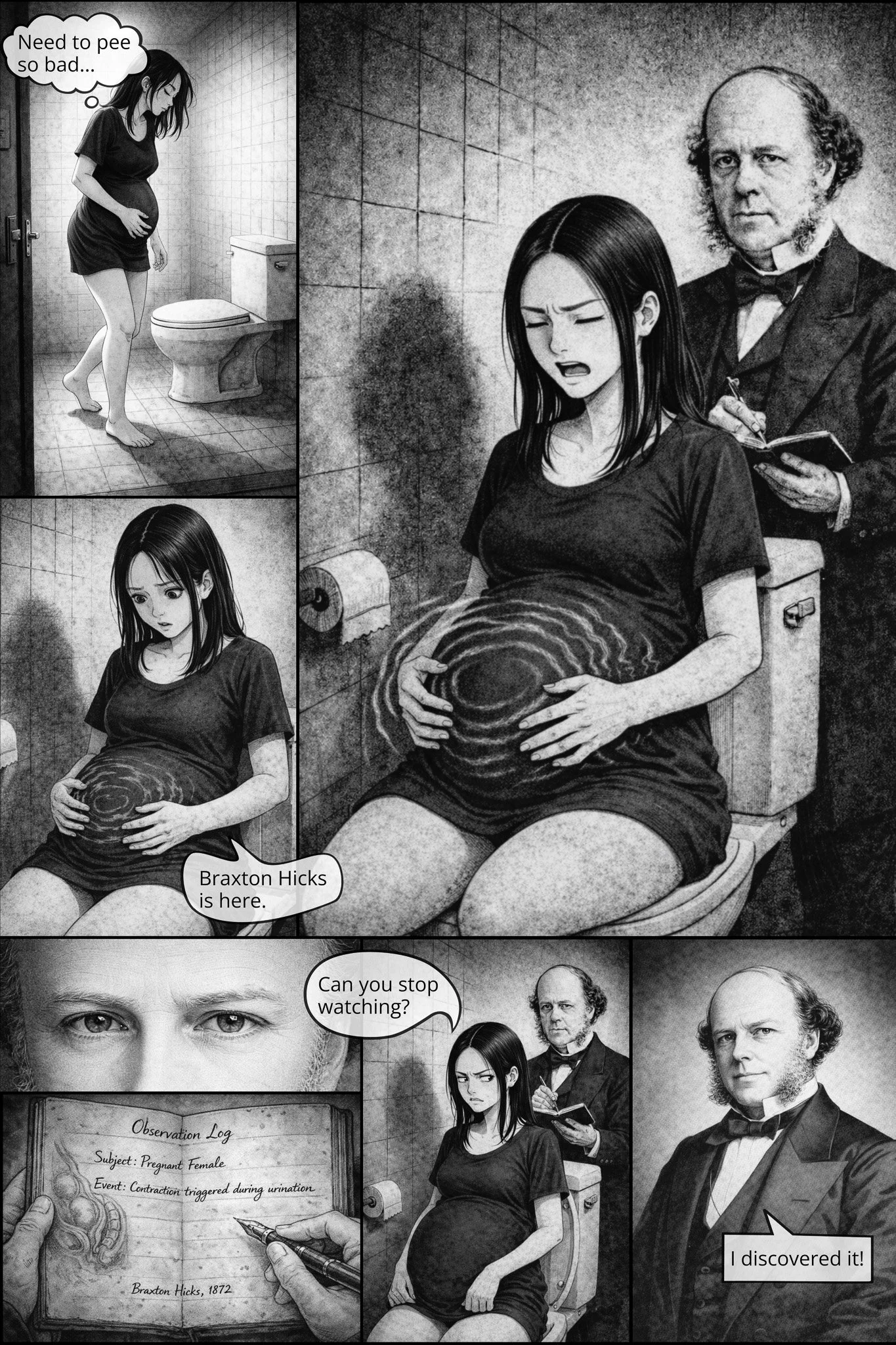
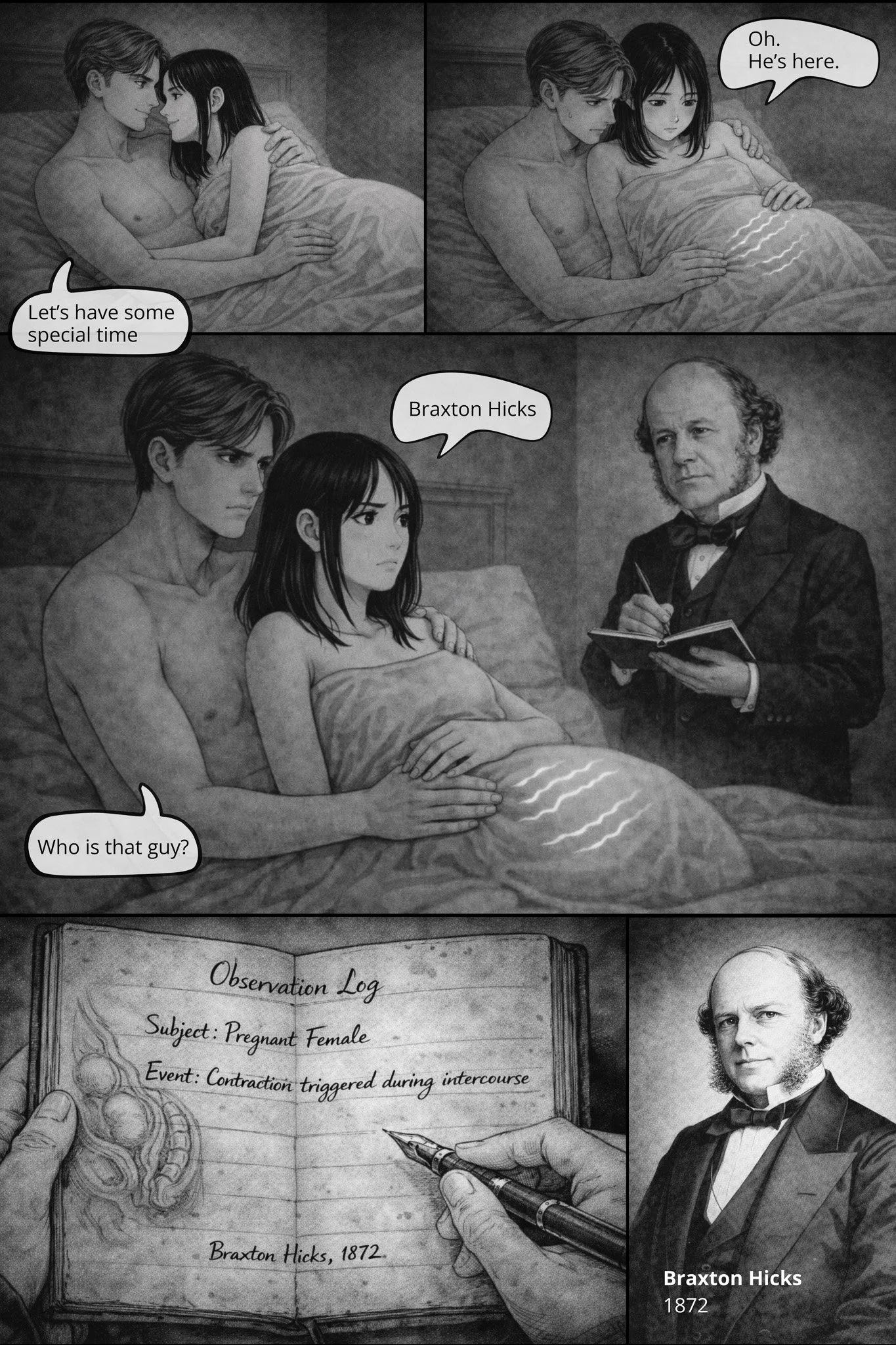
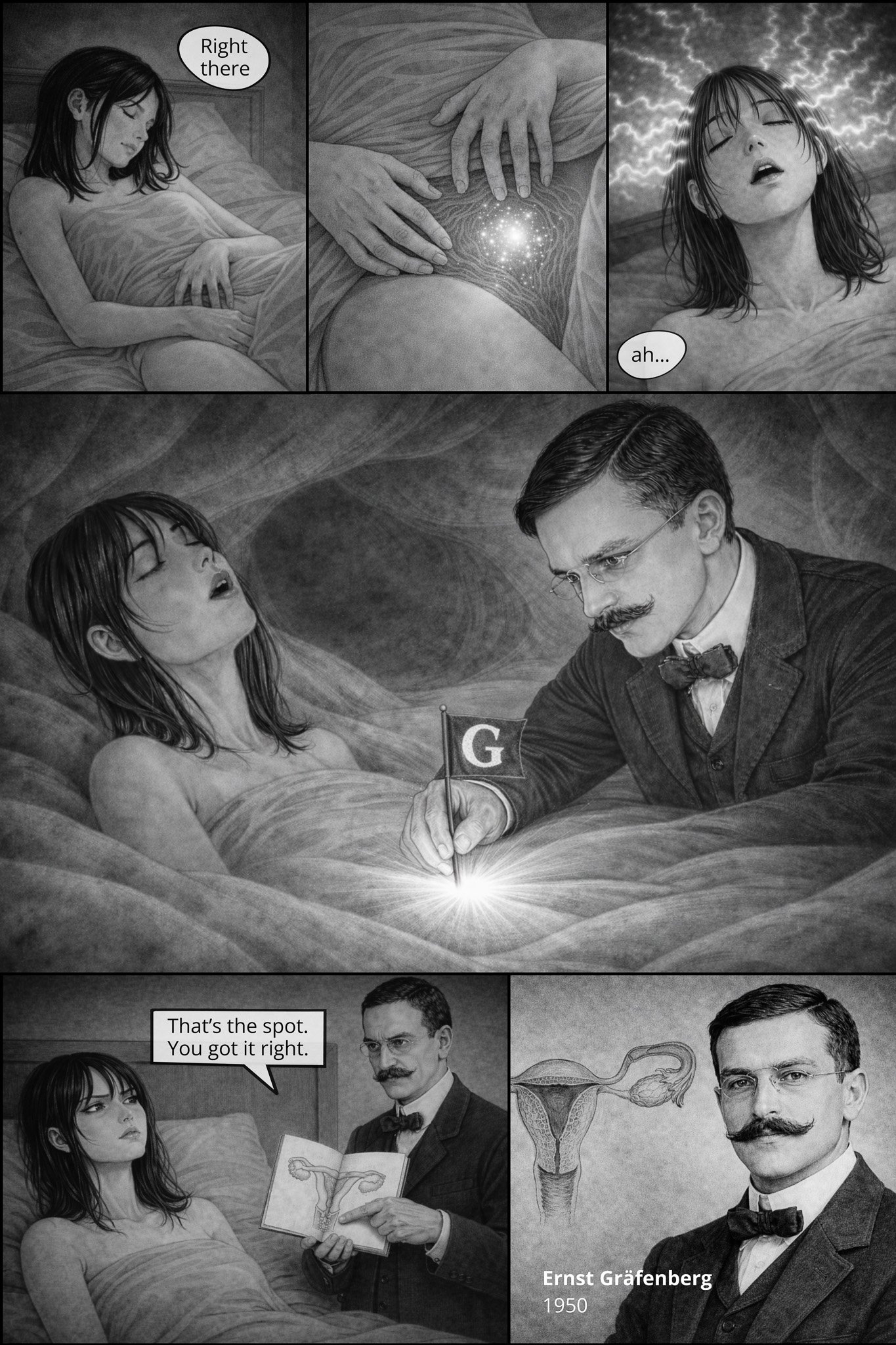
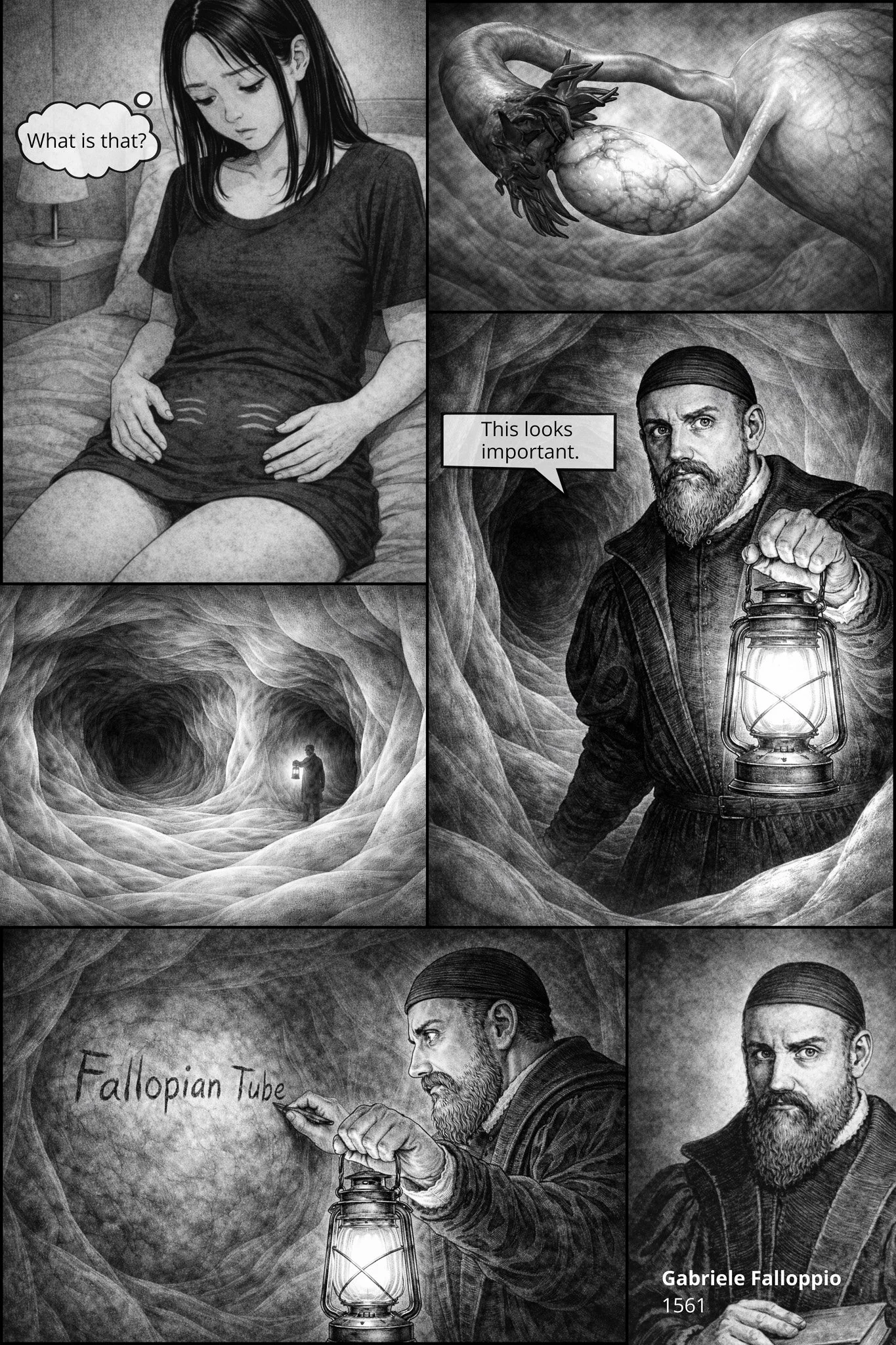
4D Baby
Jiabao Li, Fumiko Futamura (Mathematician)
Optic illusion installation, 2026
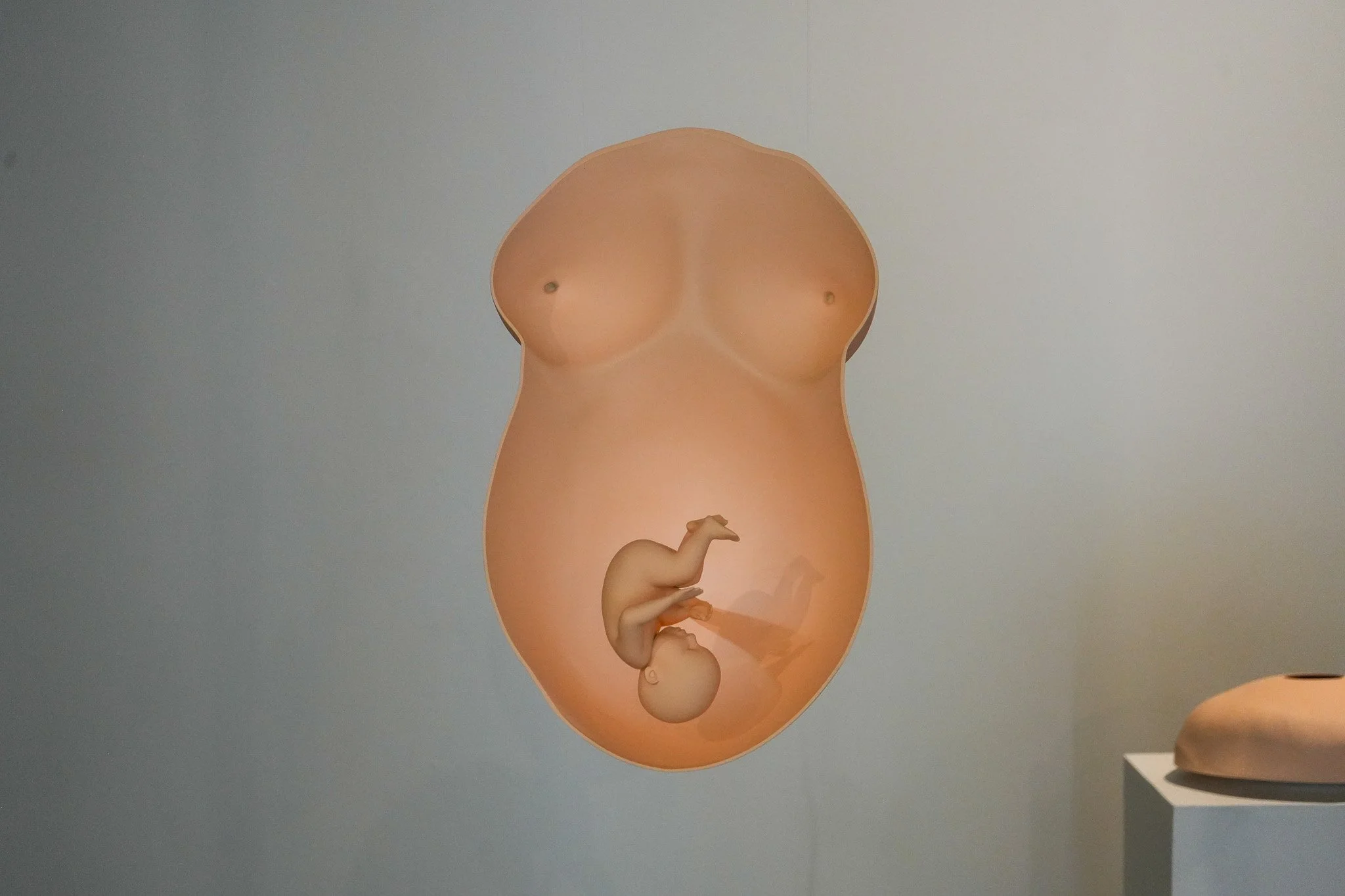
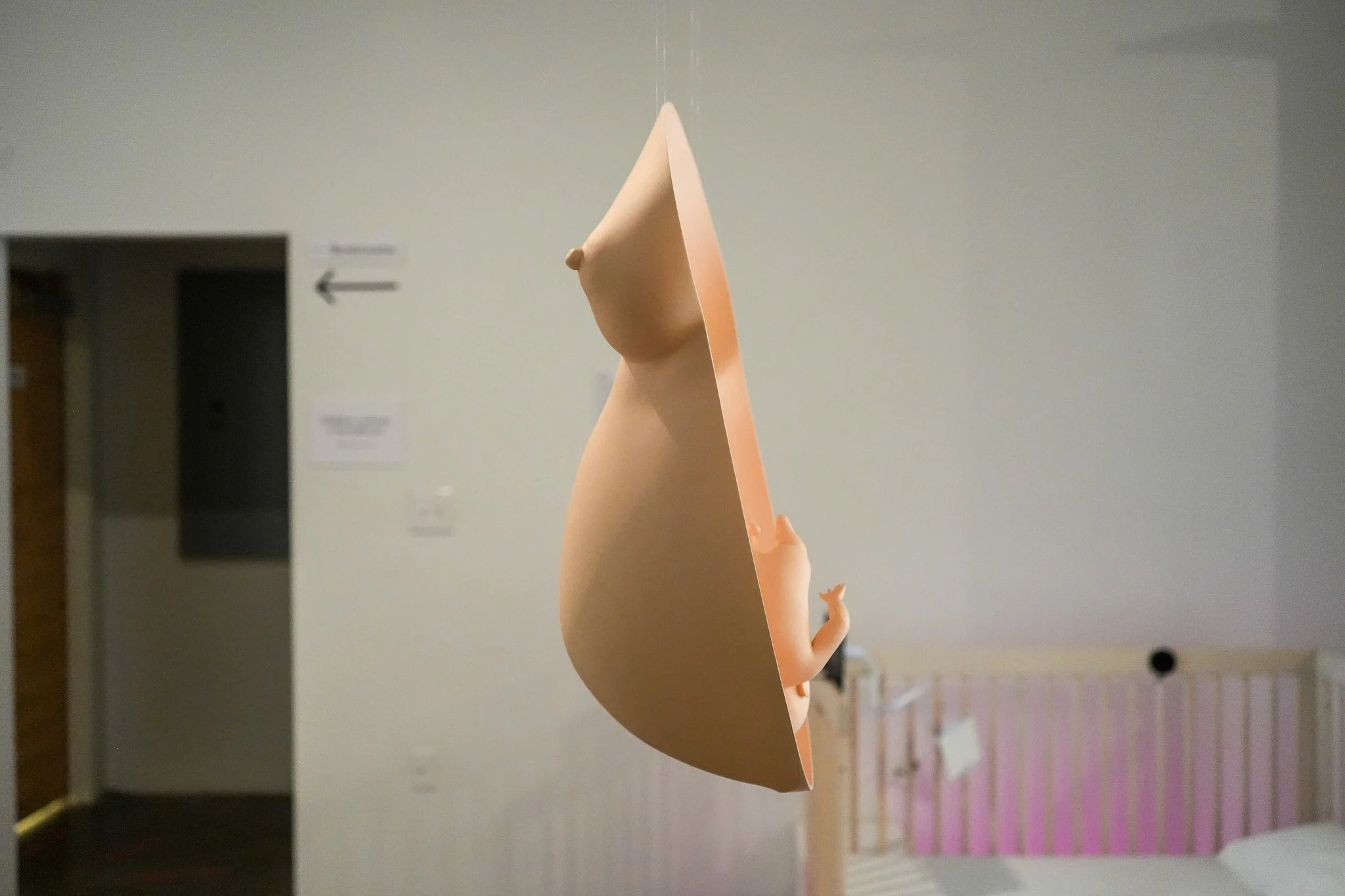
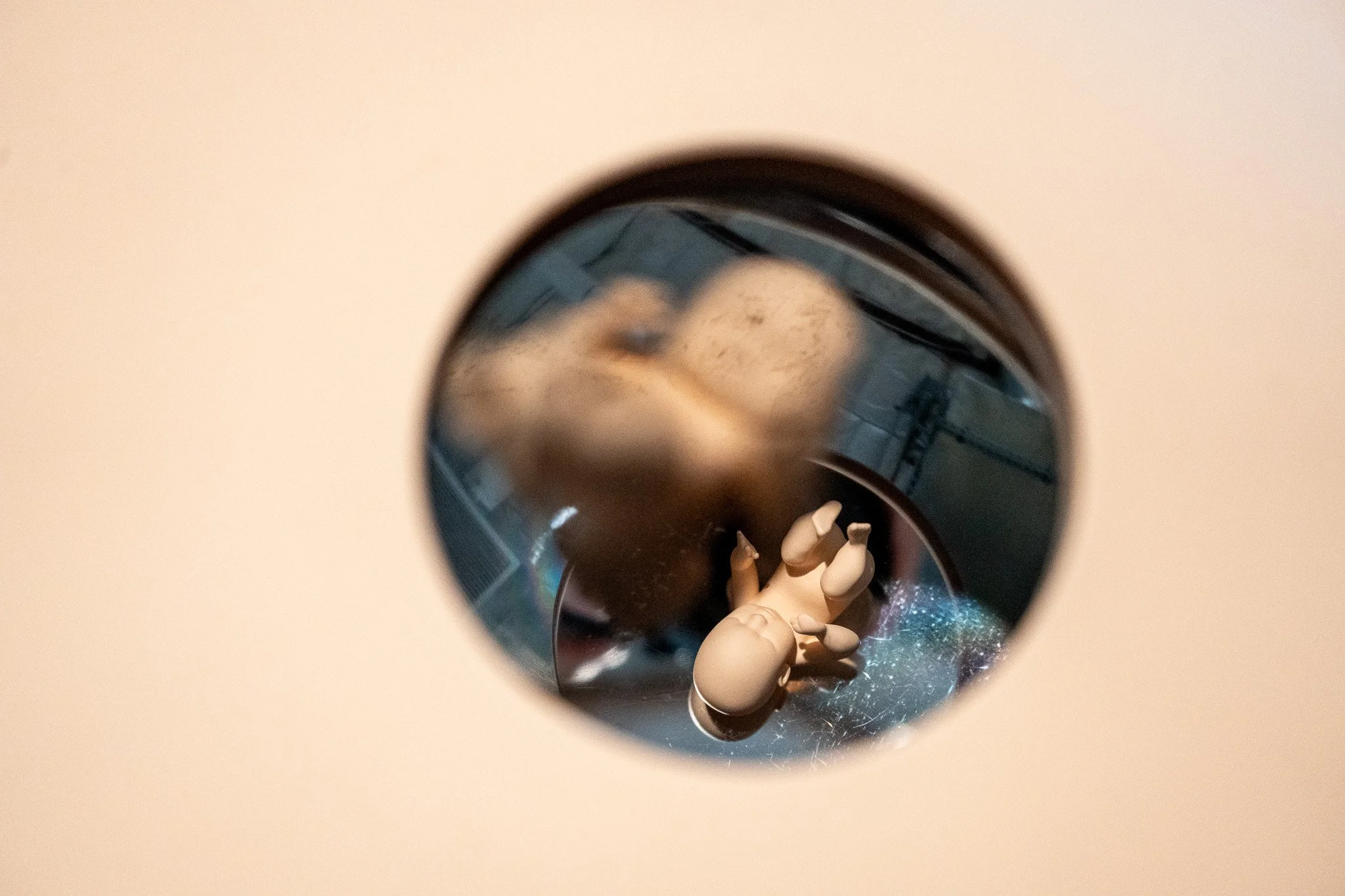
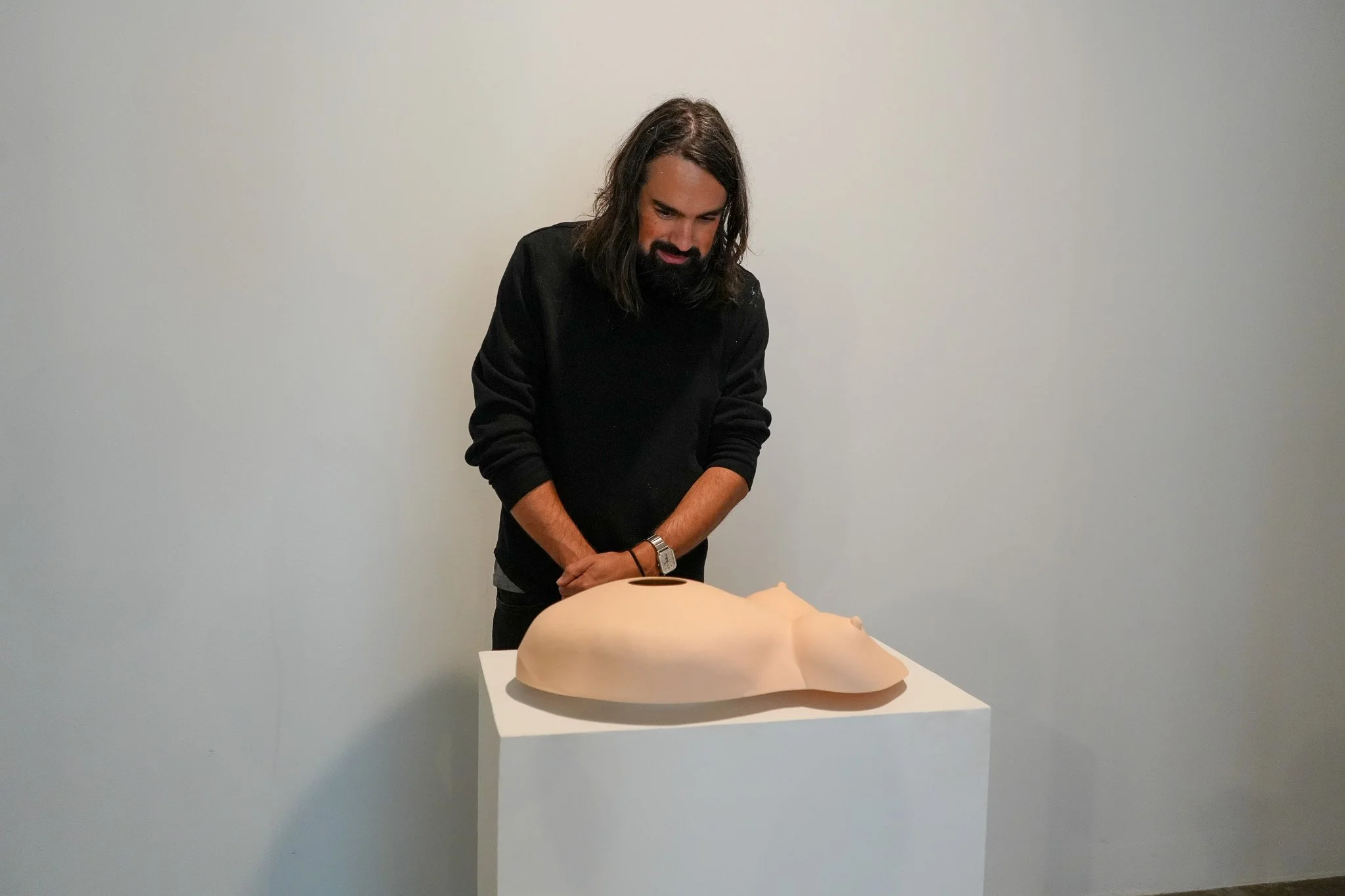
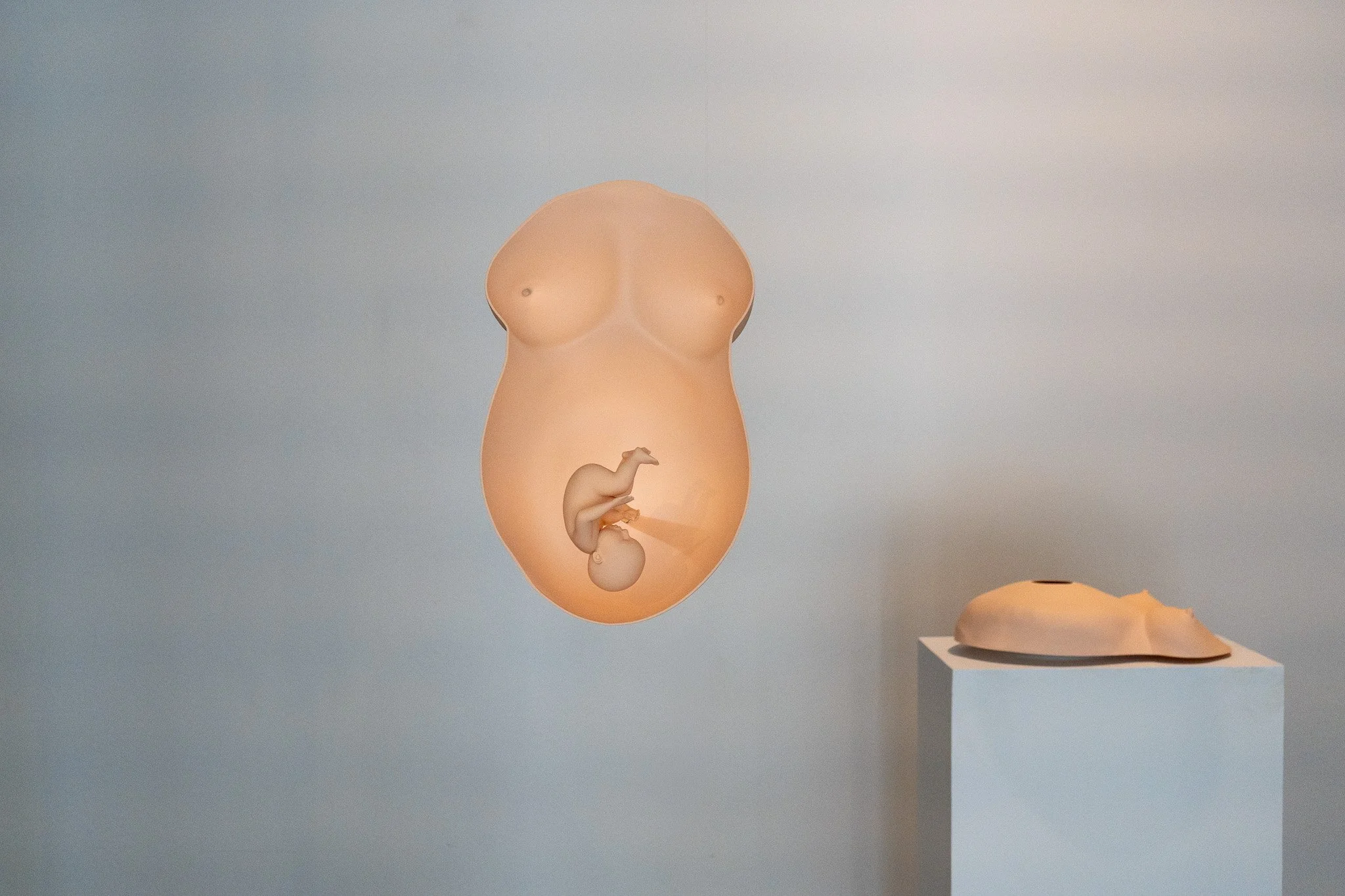
Pregnancy is a four-dimensional transformation. Duchamp had Rrose Sélavy as a female counterpart, a fourth-dimensional version of himself. When a penis is turned inside out, it becomes a vagina. When Duchamp is turned inside out, he becomes Rrose. What, then, is the fourth-dimensional version of a pregnant body, of me? In space, turning a pregnant body inside out brings the baby out. In time, that same transformation is birth.
This installation uses optical illusion to stage that shift. From a distance, the belly appears convex and the baby is outside. As the viewer approaches and moves to the side, the belly reveals itself as concave and the baby slips back inside. In another variation, the baby appears outside when viewed from an angle, but when the viewer moves directly above the belly, the baby is inside. Distance becomes pregnancy. Movement becomes birth. Space becomes time. By walking away from the sculpture, the viewer performs the act of birth.

Breast Making Breastmilk
Jiabao Li
Installation, 2026
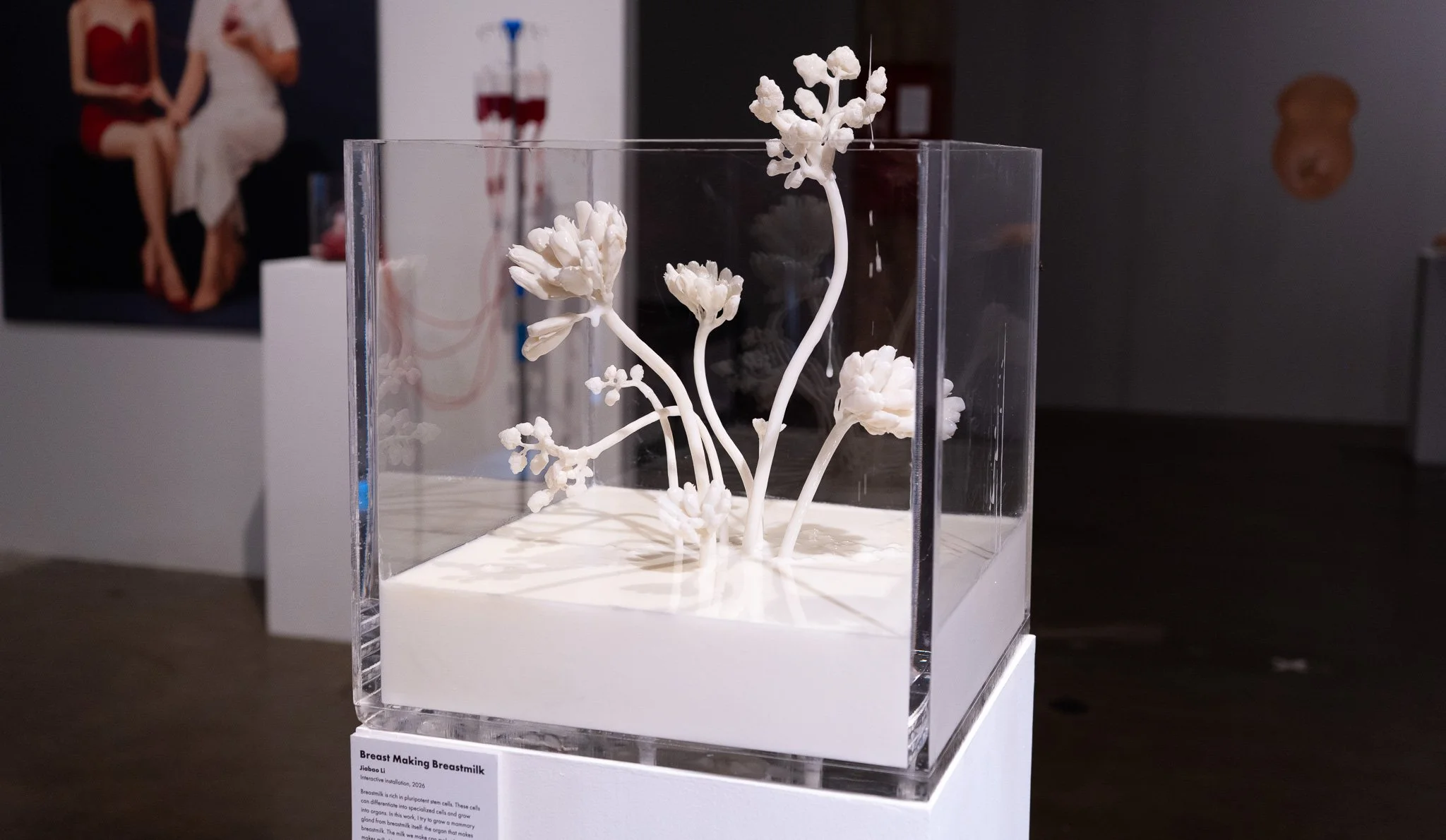
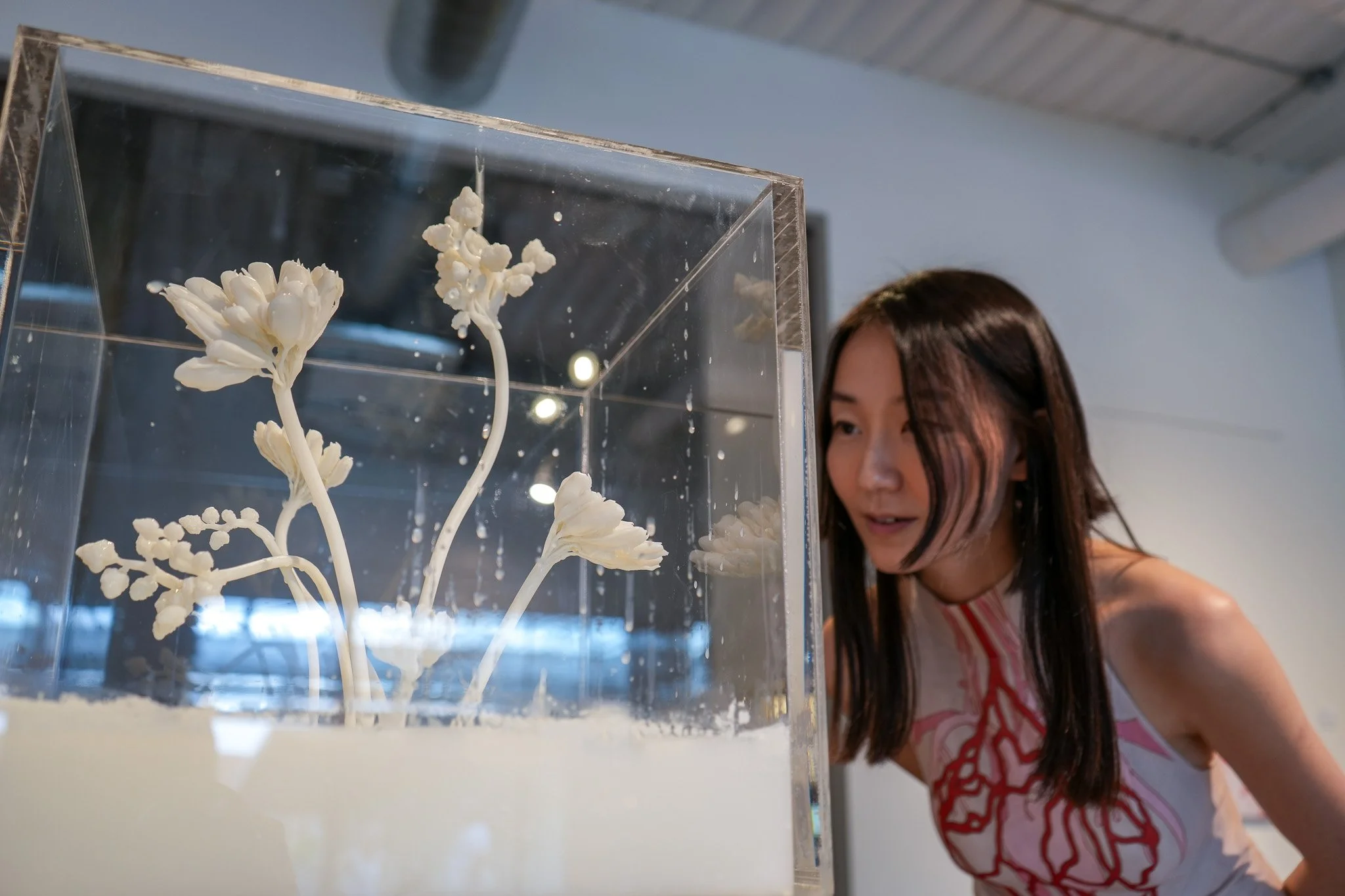
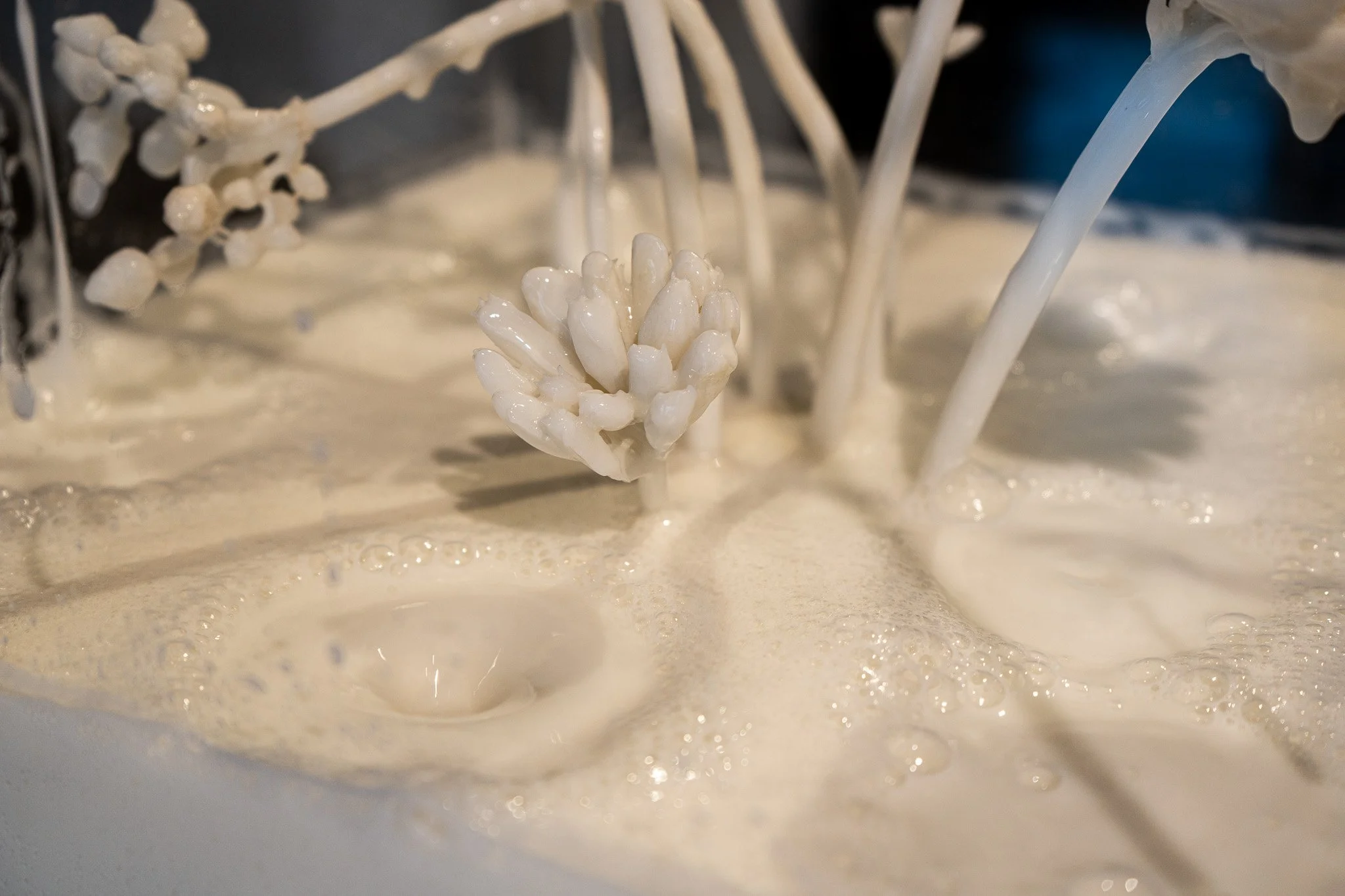
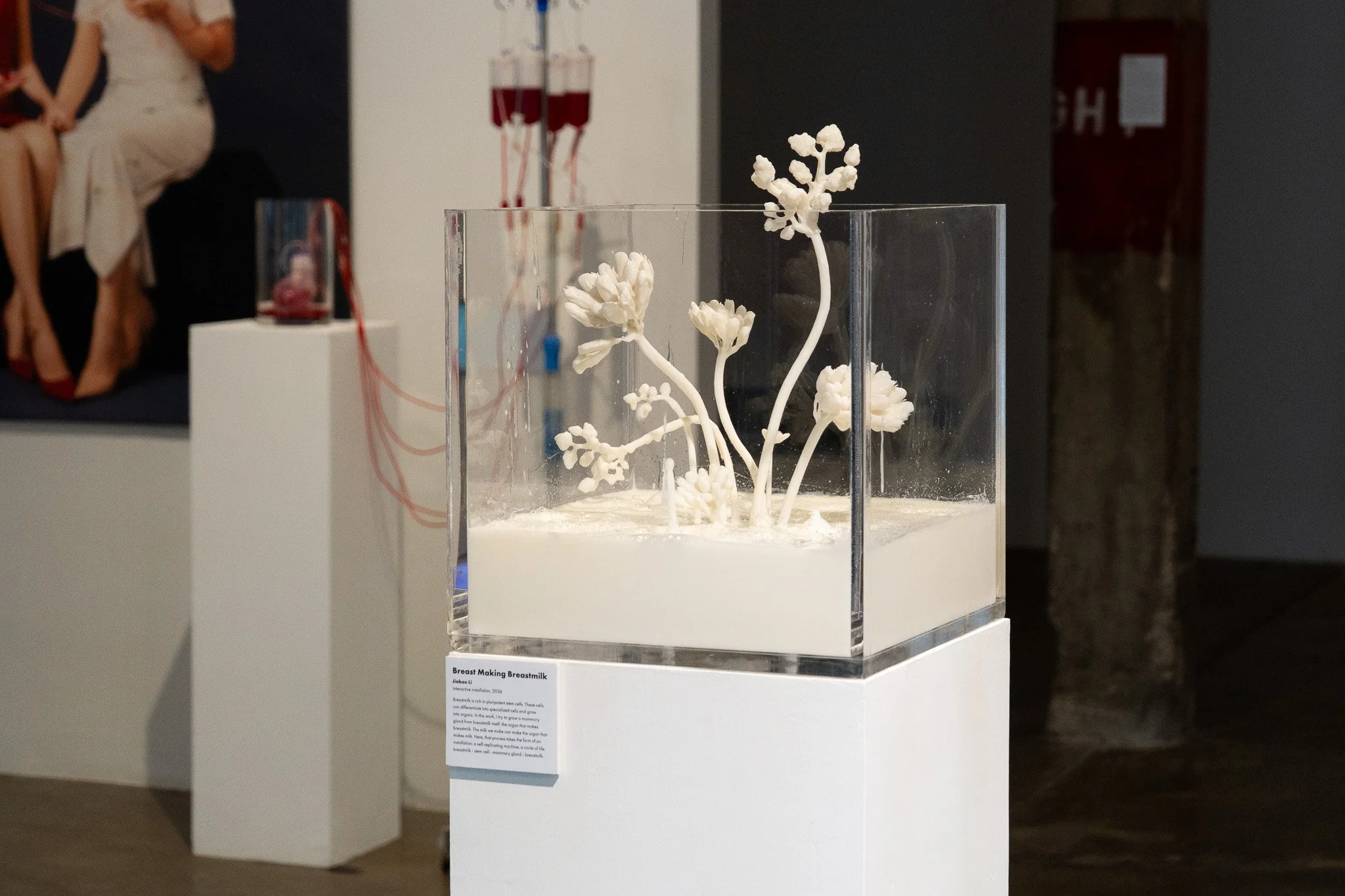
Breastmilk is rich in pluripotent stem cells. These cells can differentiate into specialized cells and grow into organs. In this work, I try to grow a mammary gland from breastmilk itself: the organ that makes breastmilk. The milk we make can make the organ that makes milk. Here, that process takes the form of an installation: a self-replicating machine, a circle of life: breastmilk - stem cell - mammary gland - breastmilk.
What makes us most Human is also so Animal
Jiabao Li
Performance and Tasting, 2026
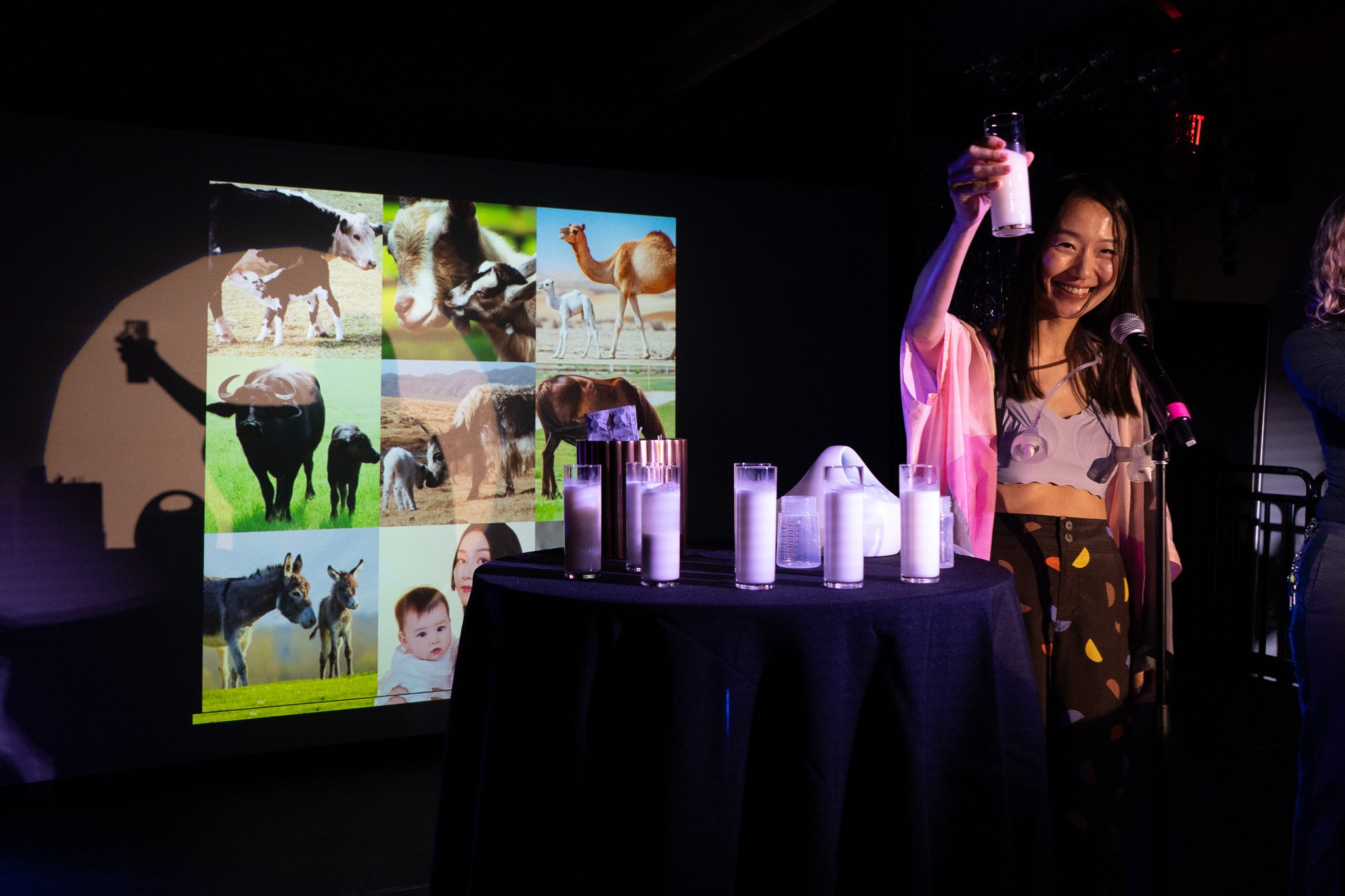
What makes us most human under Artificial General Intelligence is also what makes us most animal. Breastfeeding is the moment I feel the most human because it is when I am most clearly a mammal. We share this primal chemistry with creatures across the planet. In this blind tasting, I invite you to cross the species barrier. Drink a lineup of milk and try to guess the source. These samples come from a variety of mammals: myself, cow, goat, sheep, water buffalo, camel, horse, yak, donkey, bat, and coyote.
Trash Can
Jiabao Li
Sculpture, 2026
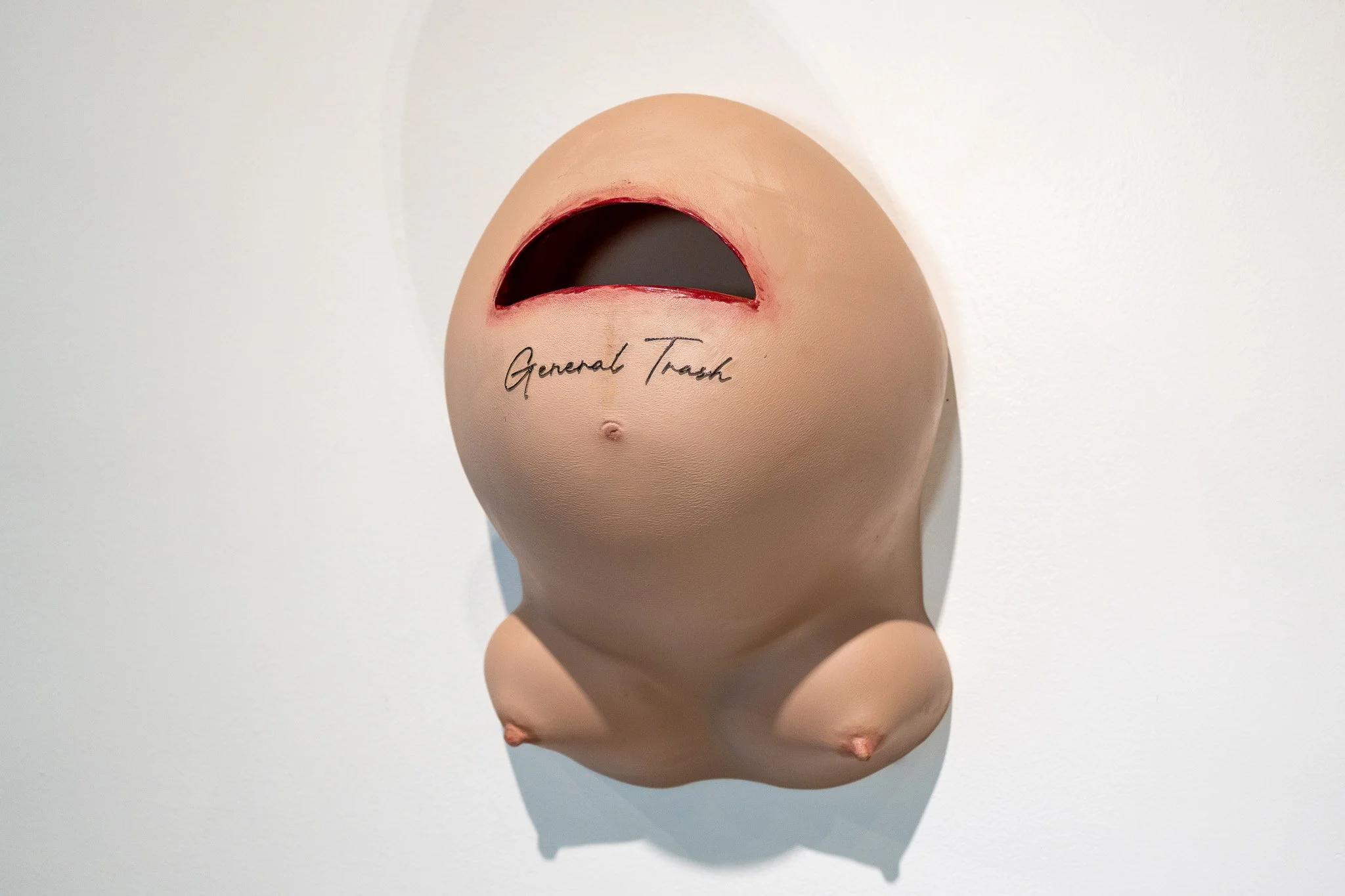
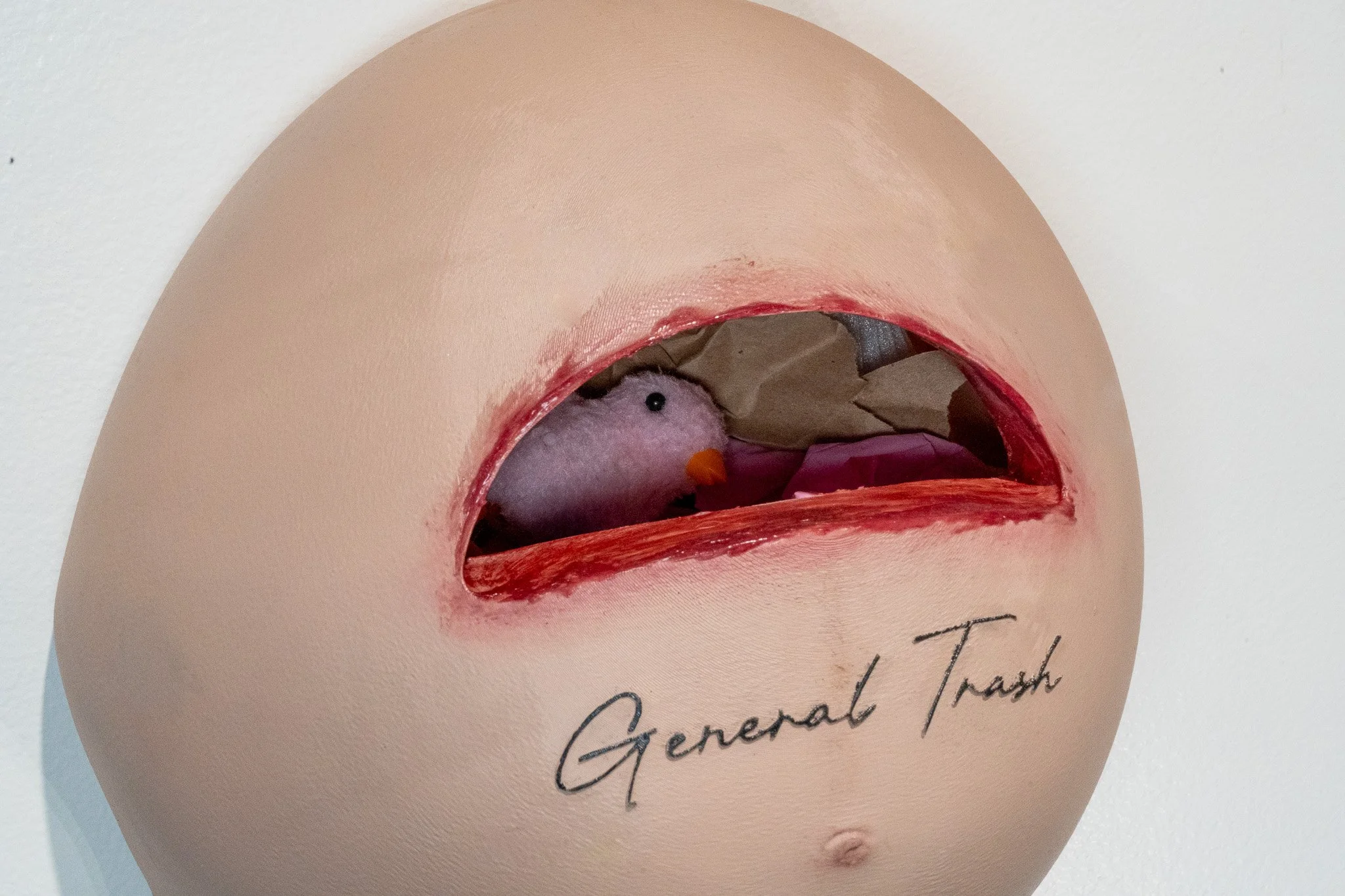
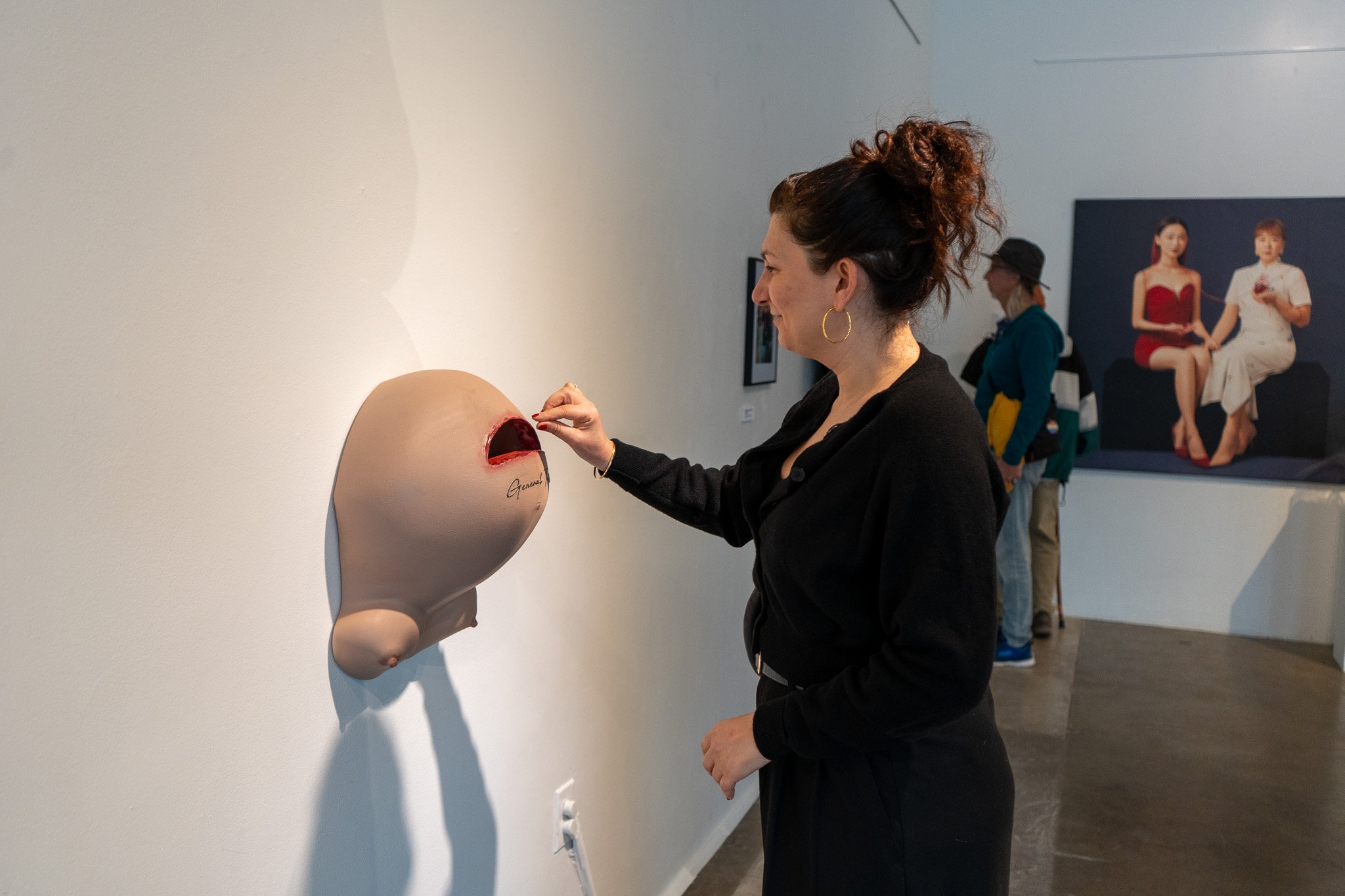
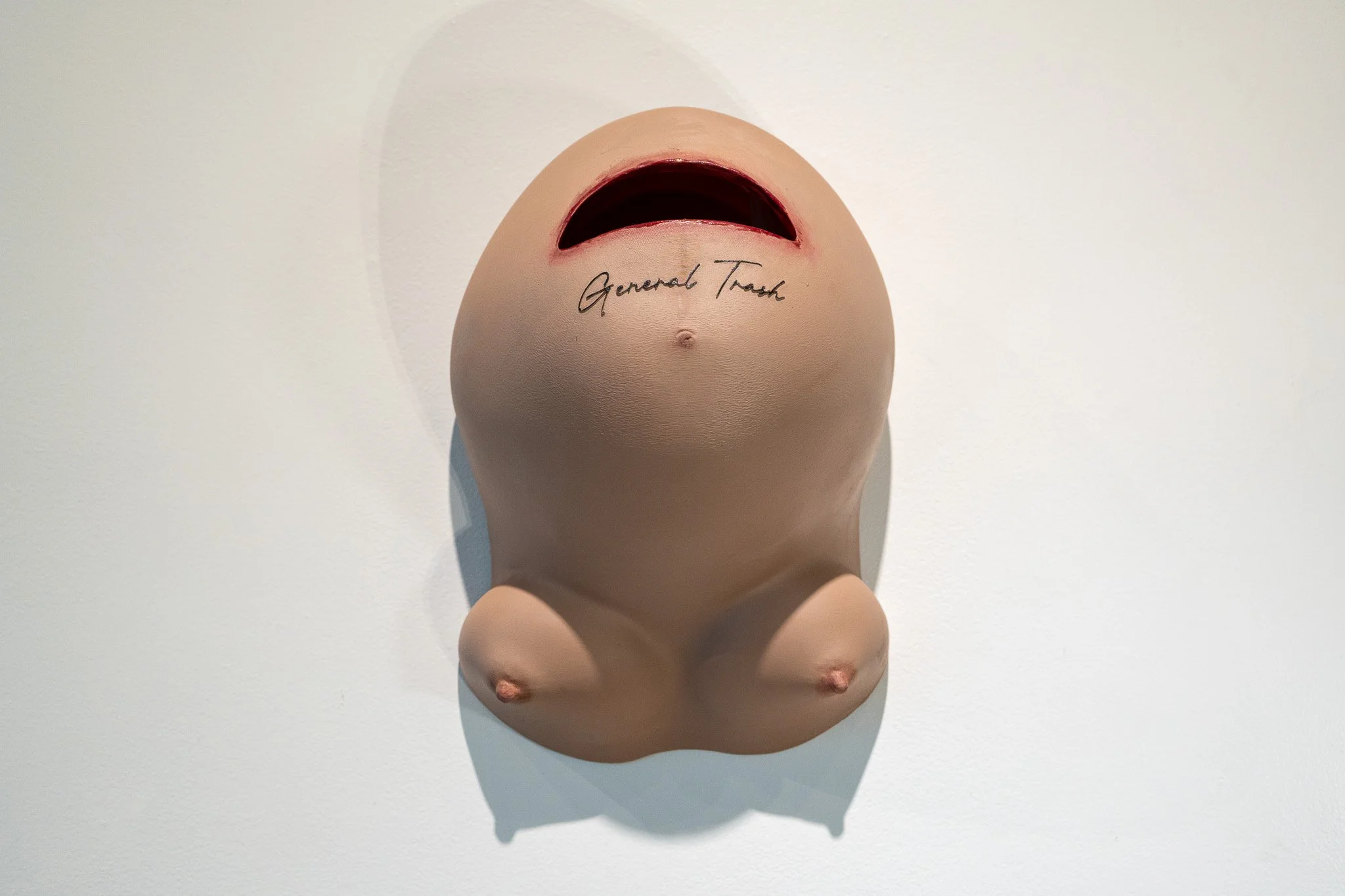
The opening of this trash can is modeled after my own C-section scar. It is labeled: General Waste. After a C-section, and a second surgery caused by infection, my body was left with a long, permanent scar. Childbirth changed it irreversibly. The work speaks to a cruel logic that treats women who have given birth as used, damaged, or disposable. A public figure once said he did not want to have sex with women who had already had children, after getting multiple women pregnant and moving on. The scar becomes not only a mark of birth, but also a mark of injury, judgment, and rupture.
Please use this as a normal trash can. Throw your trash here. No liquid, please.
Gift
Jiabao Li
Installation, 2025
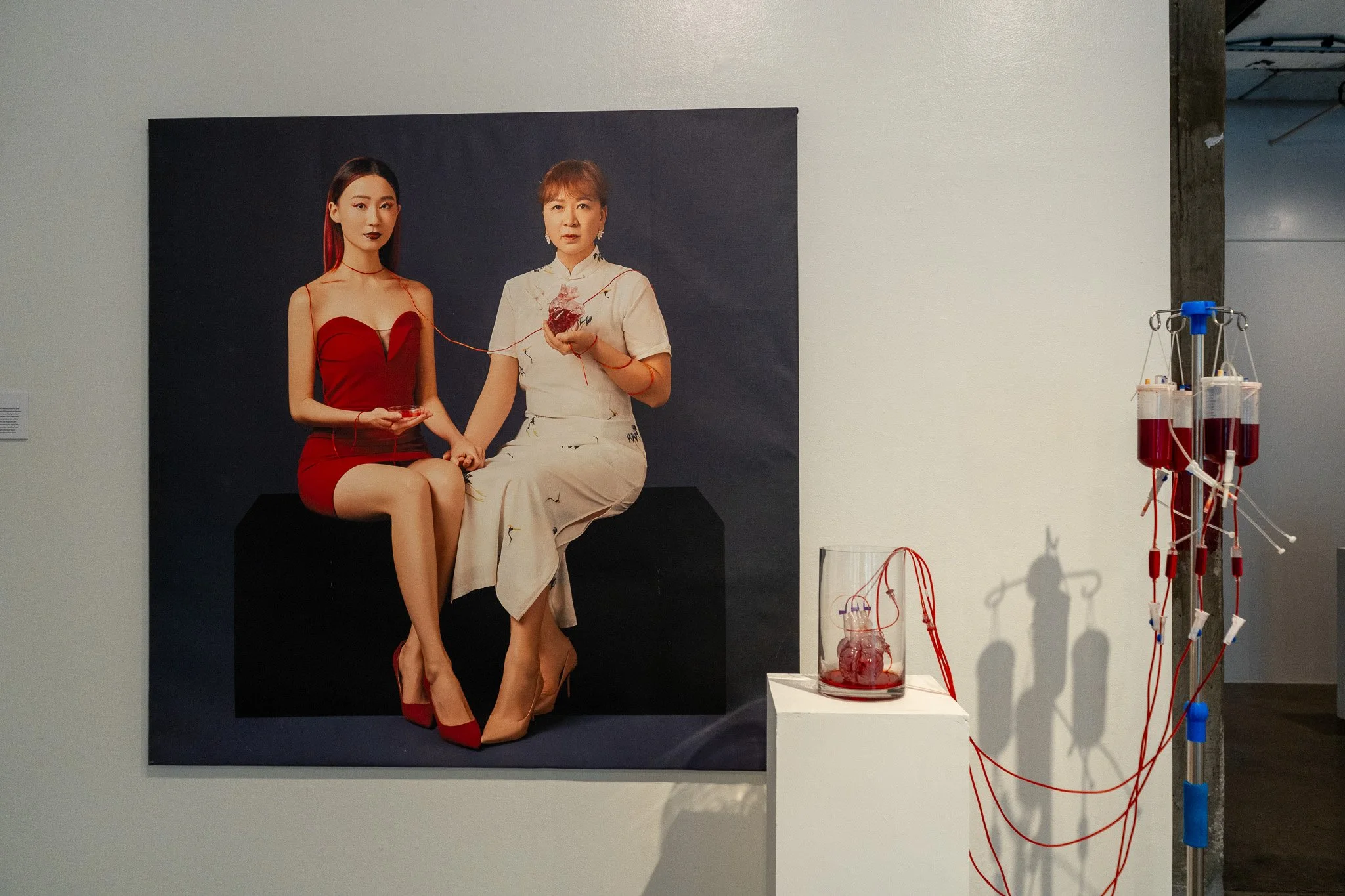
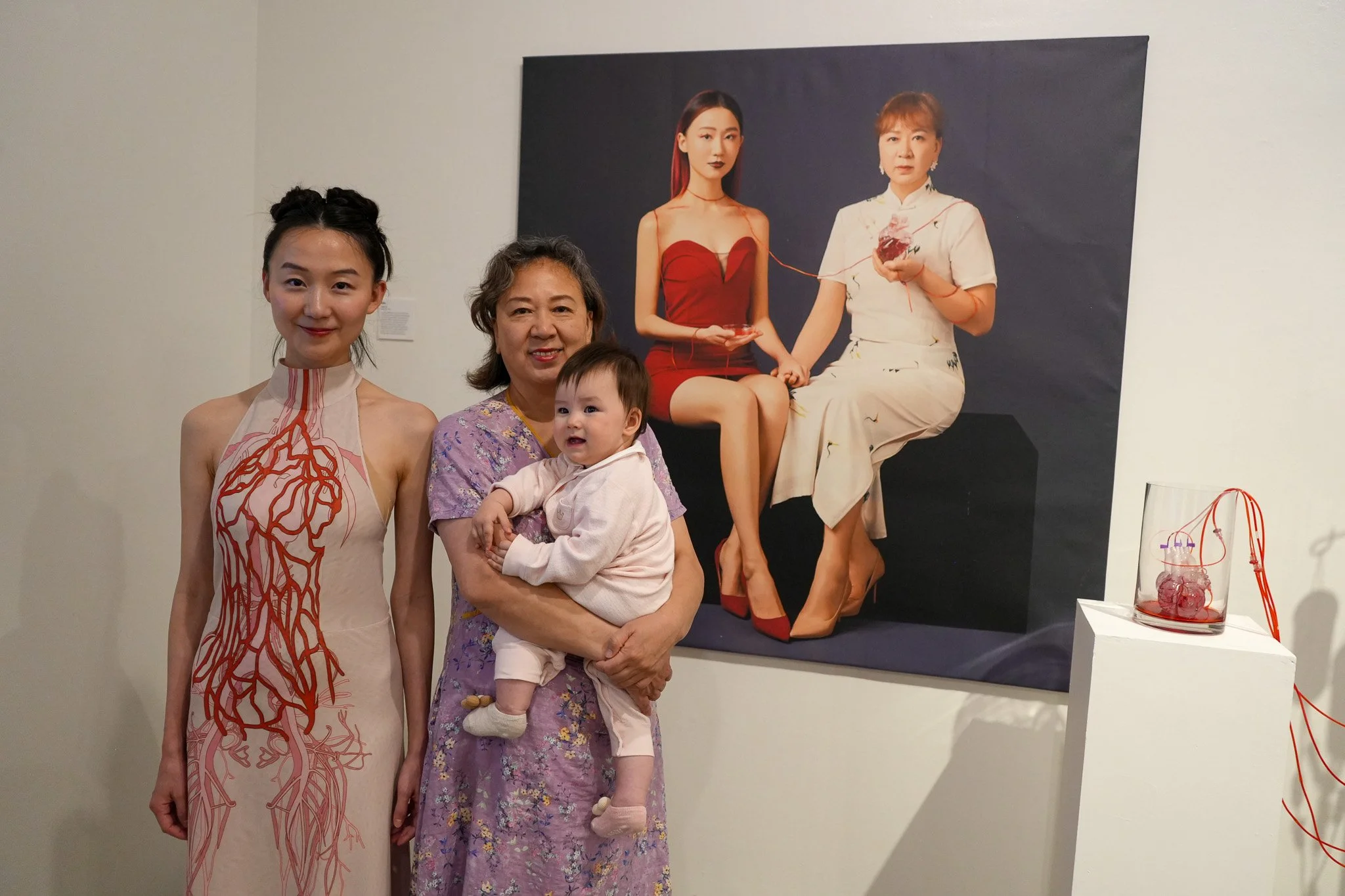
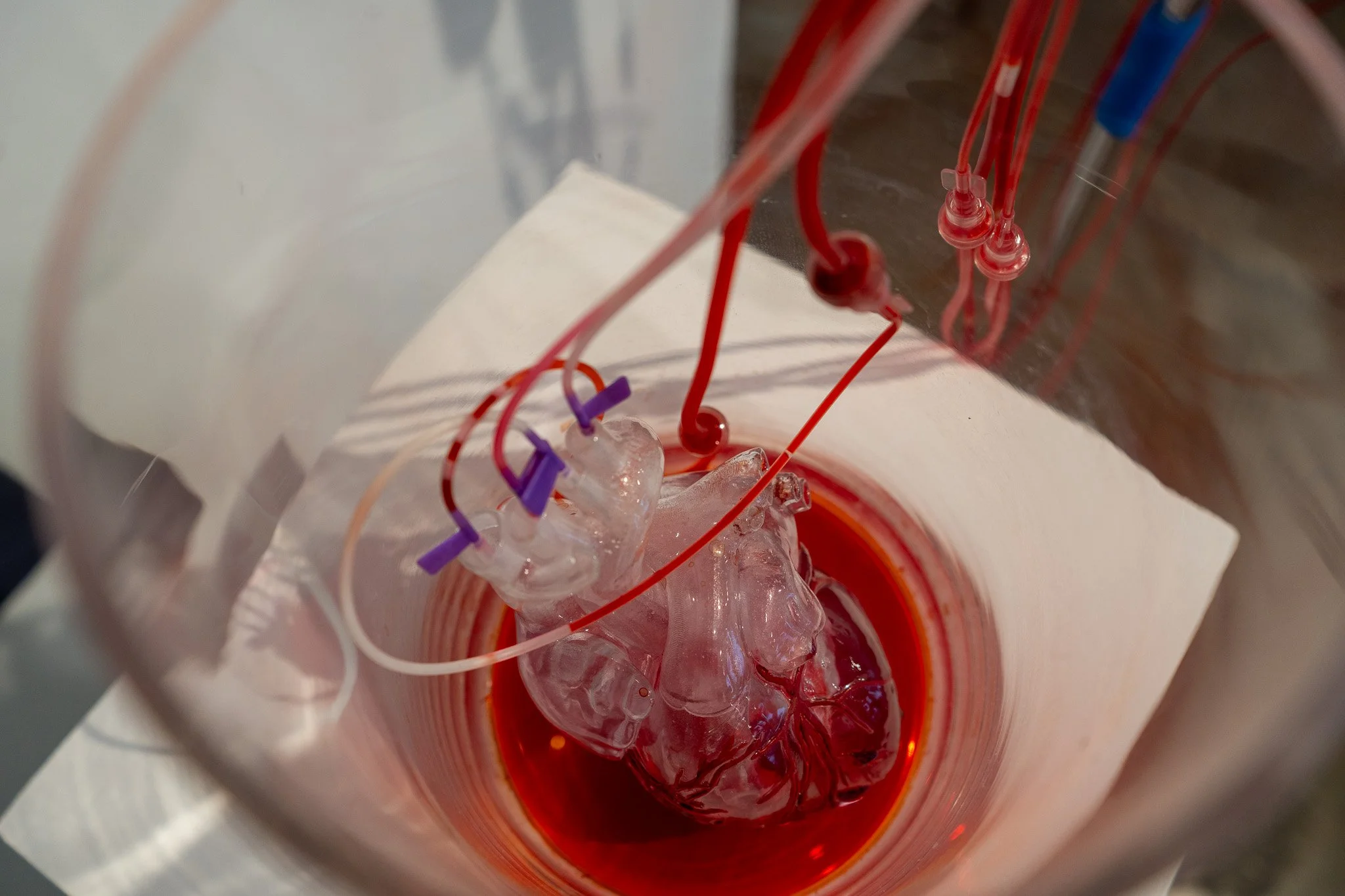
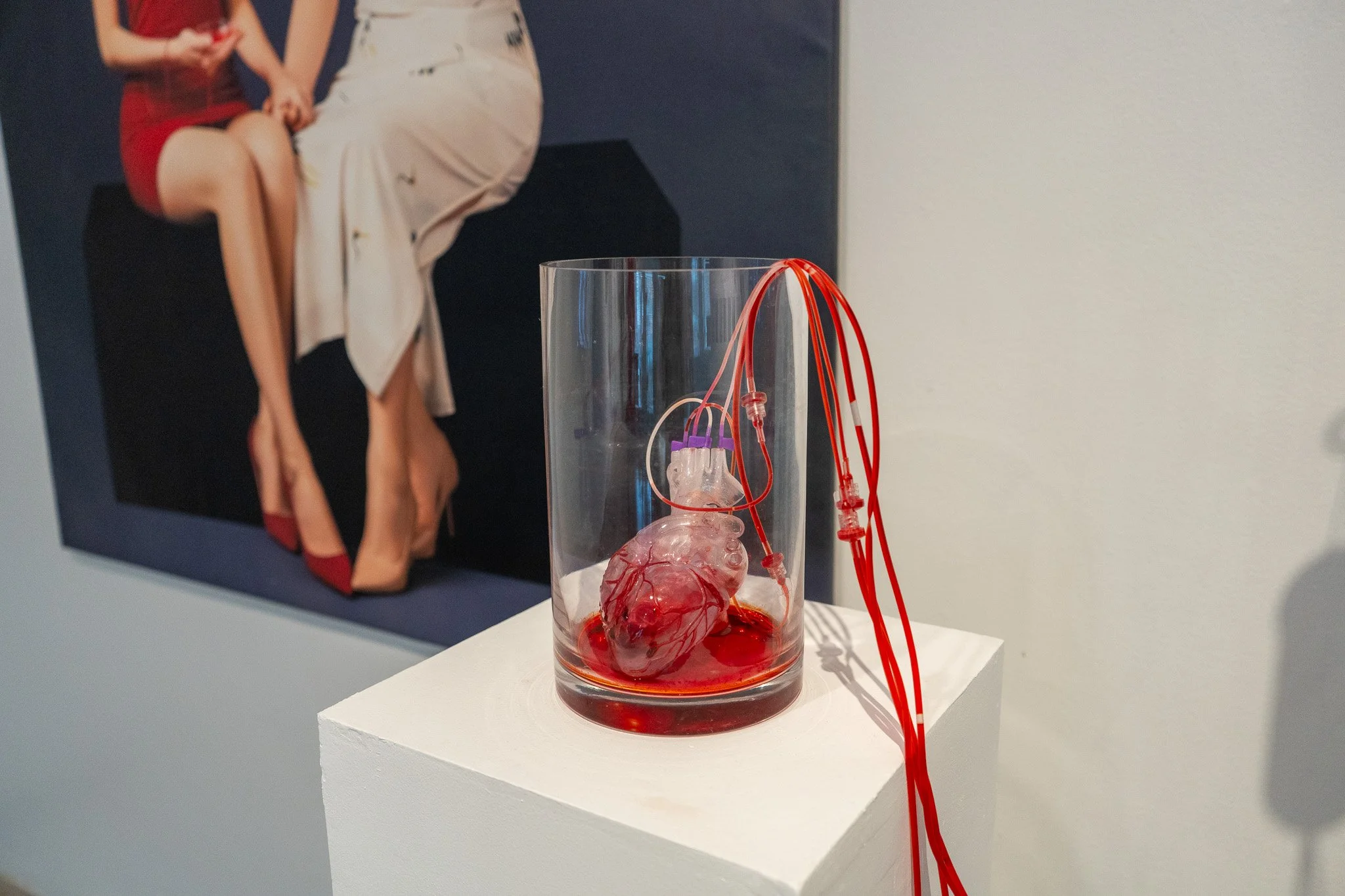
I used stem cells from my menstrual blood to grow heart cells, and then used 3D bioprinting technology to print the structure of a heart, allowing the heart cells to grow within it, creating a lab-grown heart. This heart grown from my menstrual stem cells is a gift for my mother, who was diagnosed with heart disease. Her heart function has significantly deteriorated. Just as my mother created my heart from her womb, I am giving the heart grown from my womb's menstrual blood back to her.
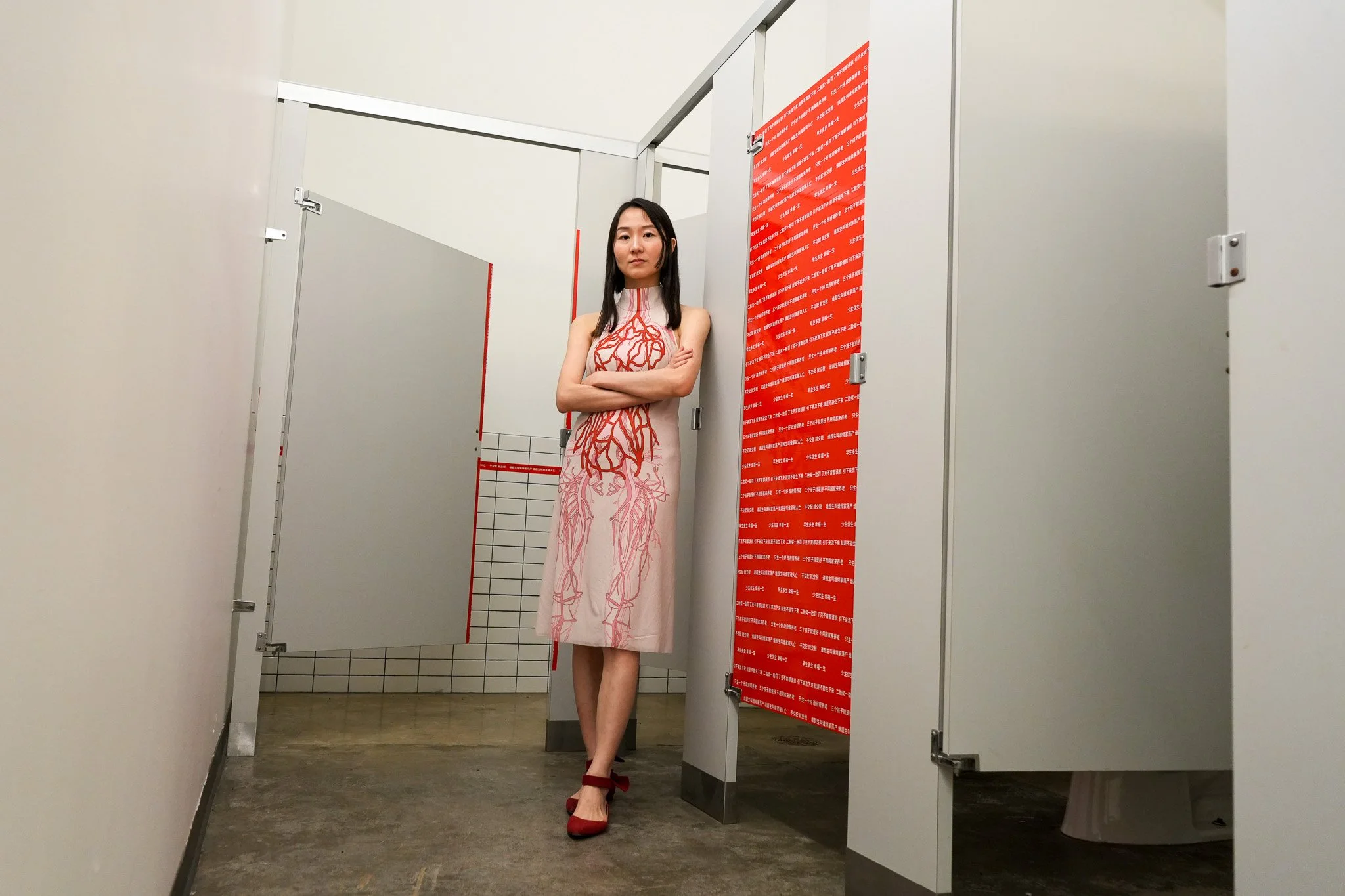
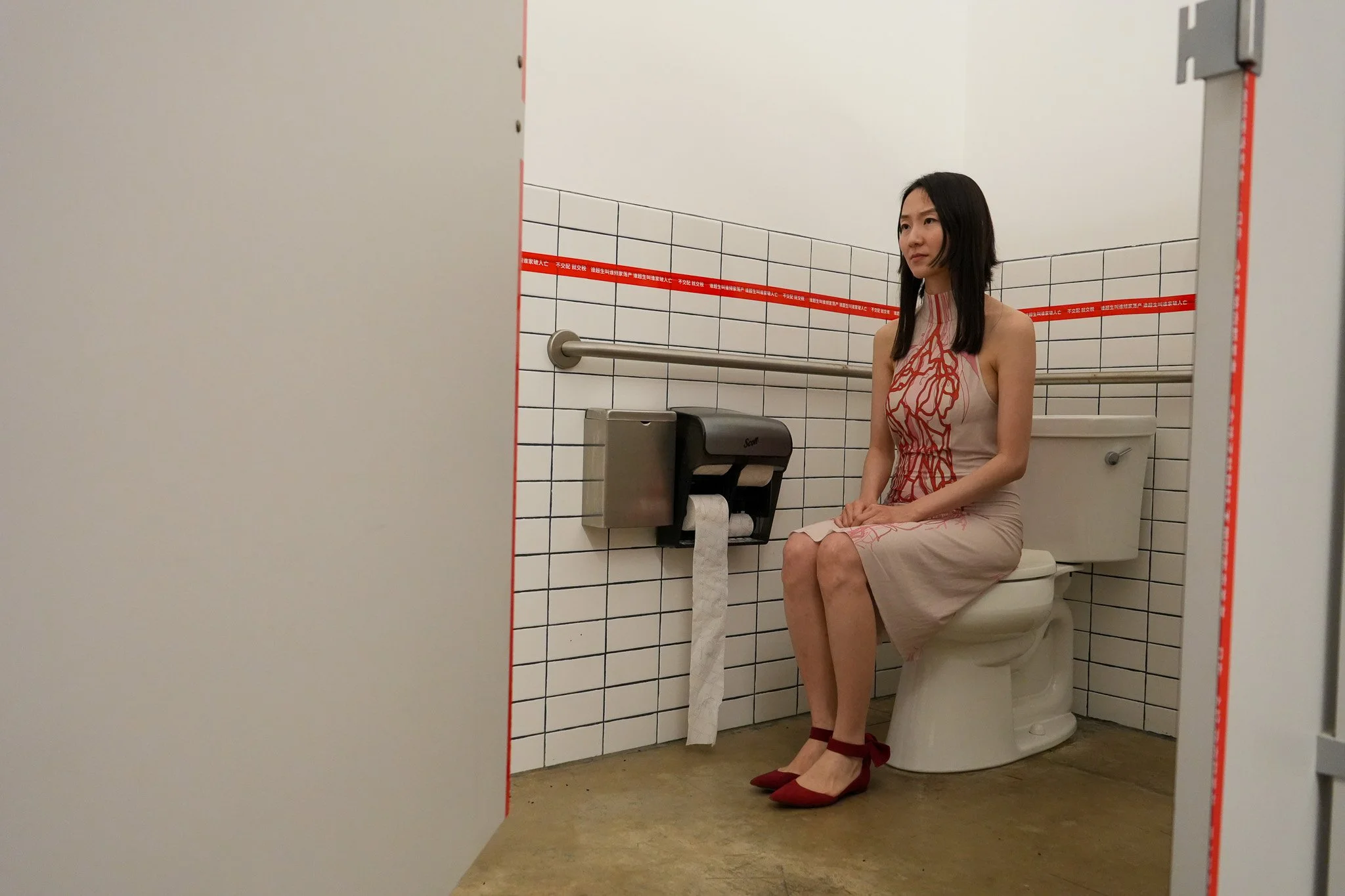
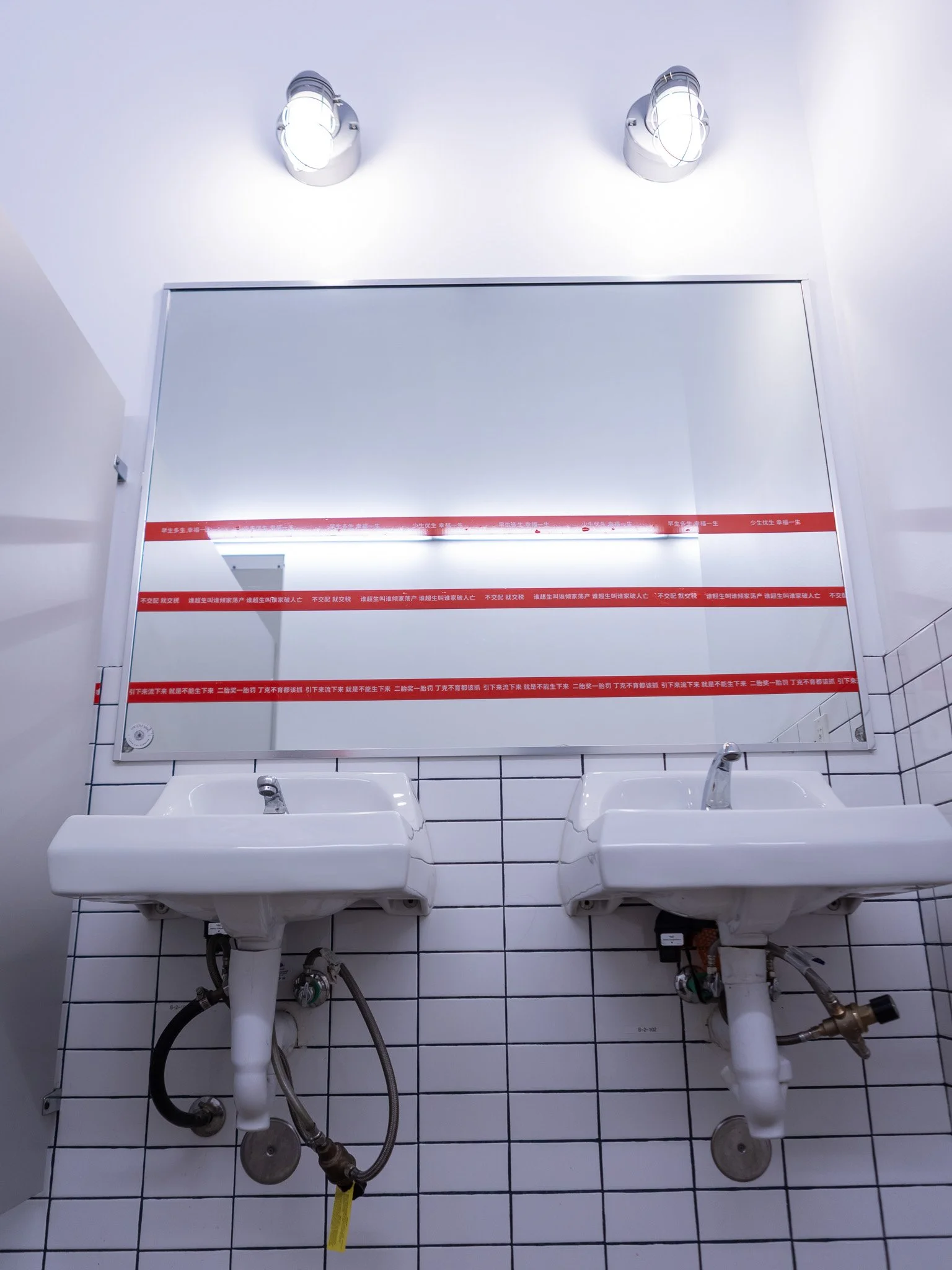
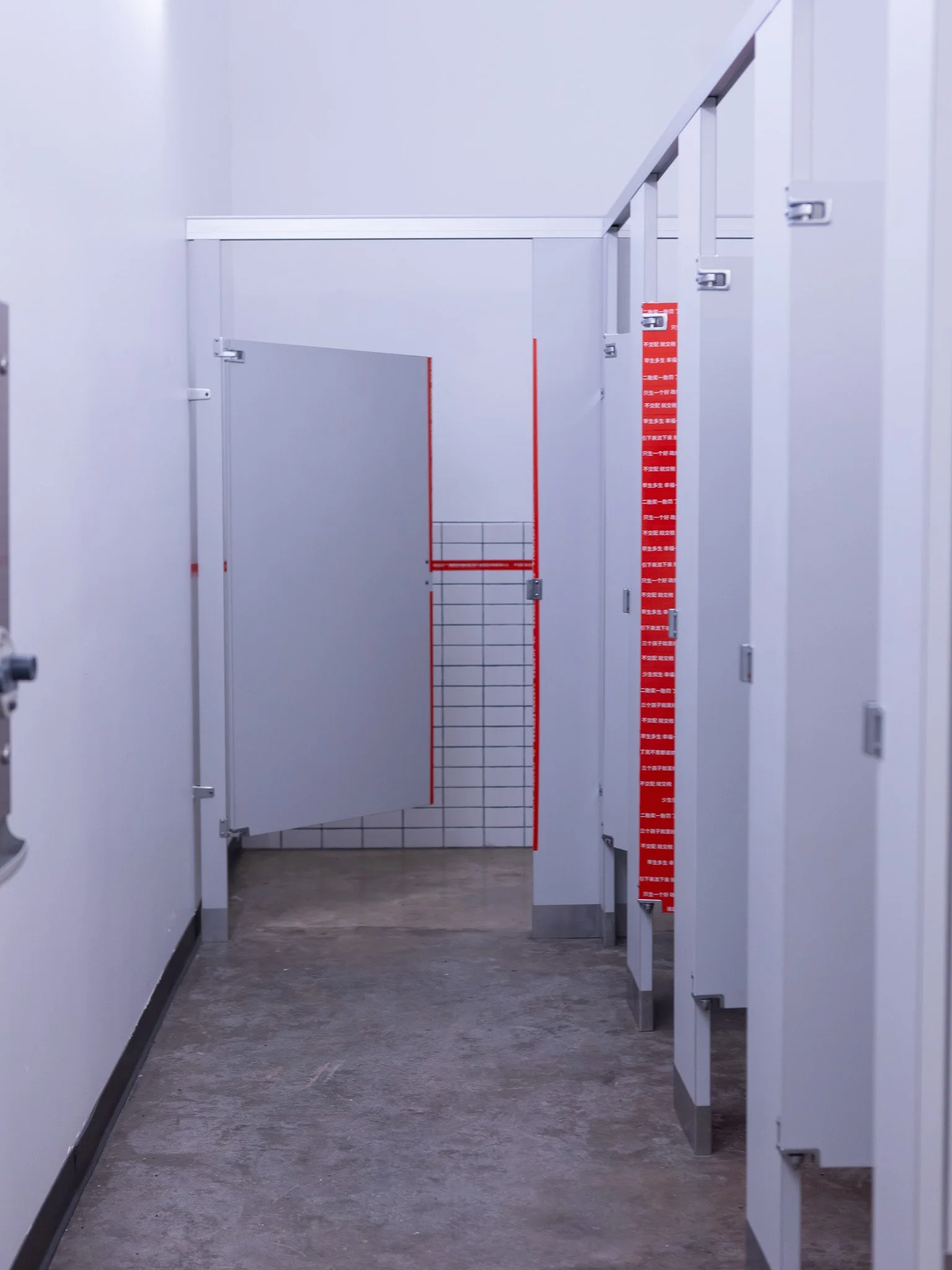
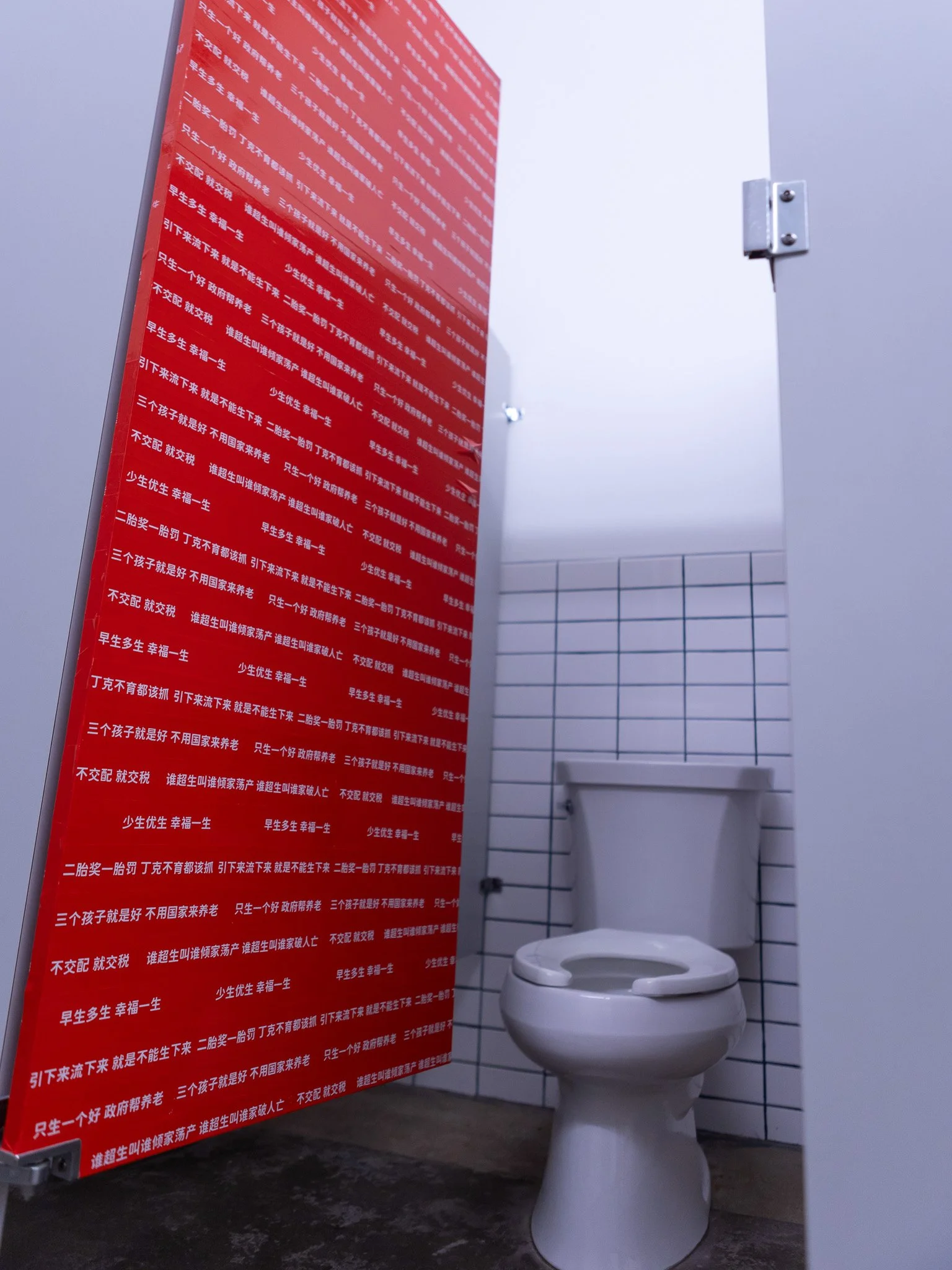
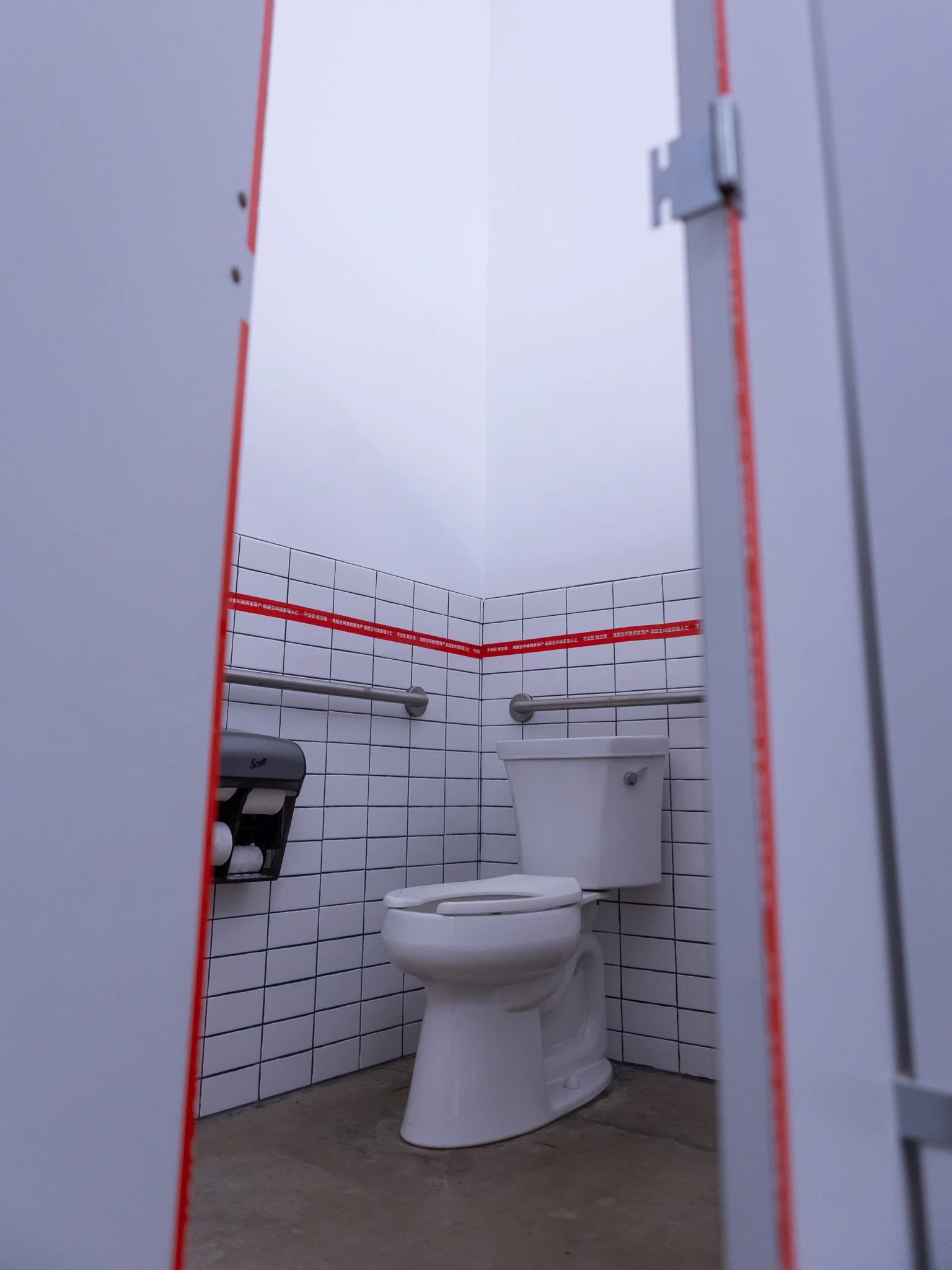
Give me a Red Tape 你给我个胶带
Jiabao Li
Installation, 2026
China recorded more than 200 million abortions linked to the enforcement of the one-child policy (1979–2015). An estimated 30 million were sex-selective abortions, primarily targeting female fetuses, shaped by strict family-planning policies and longstanding son preference. Today, China faces the opposite crisis: collapsing birth rates, a rapidly aging population, and a shrinking workforce that threatens long-term economic growth. In response, the state now aggressively promotes three-child families.
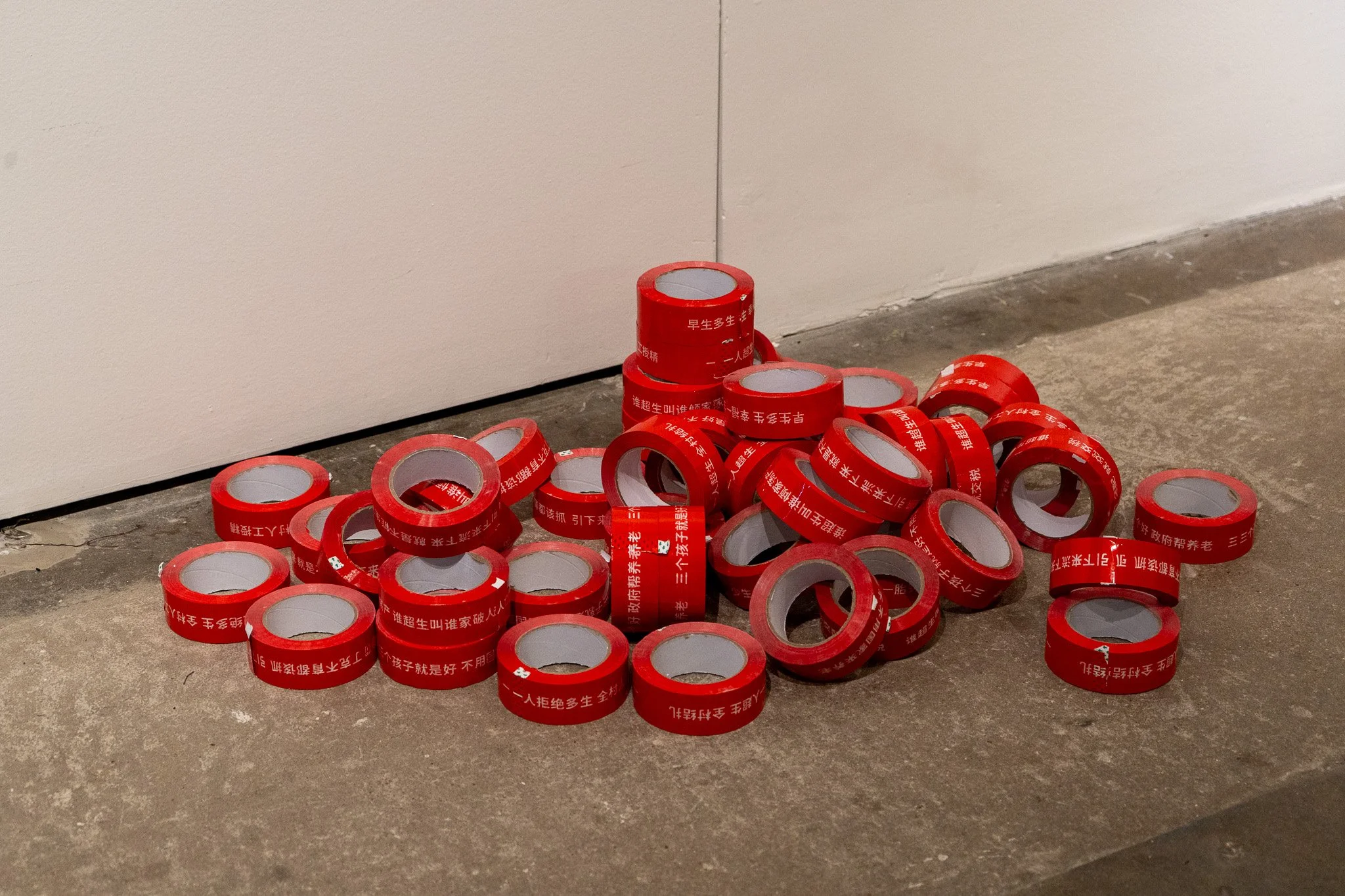
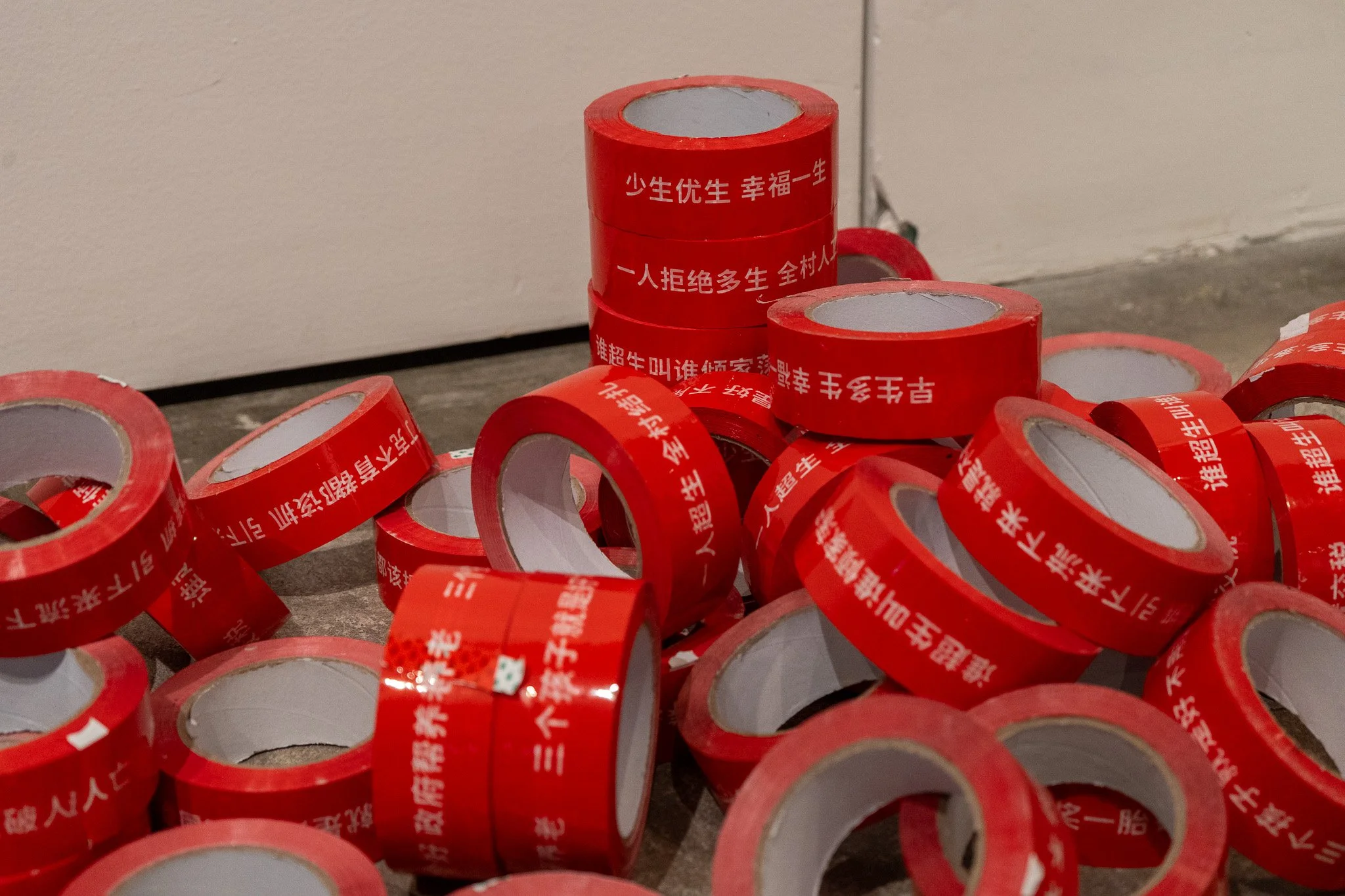
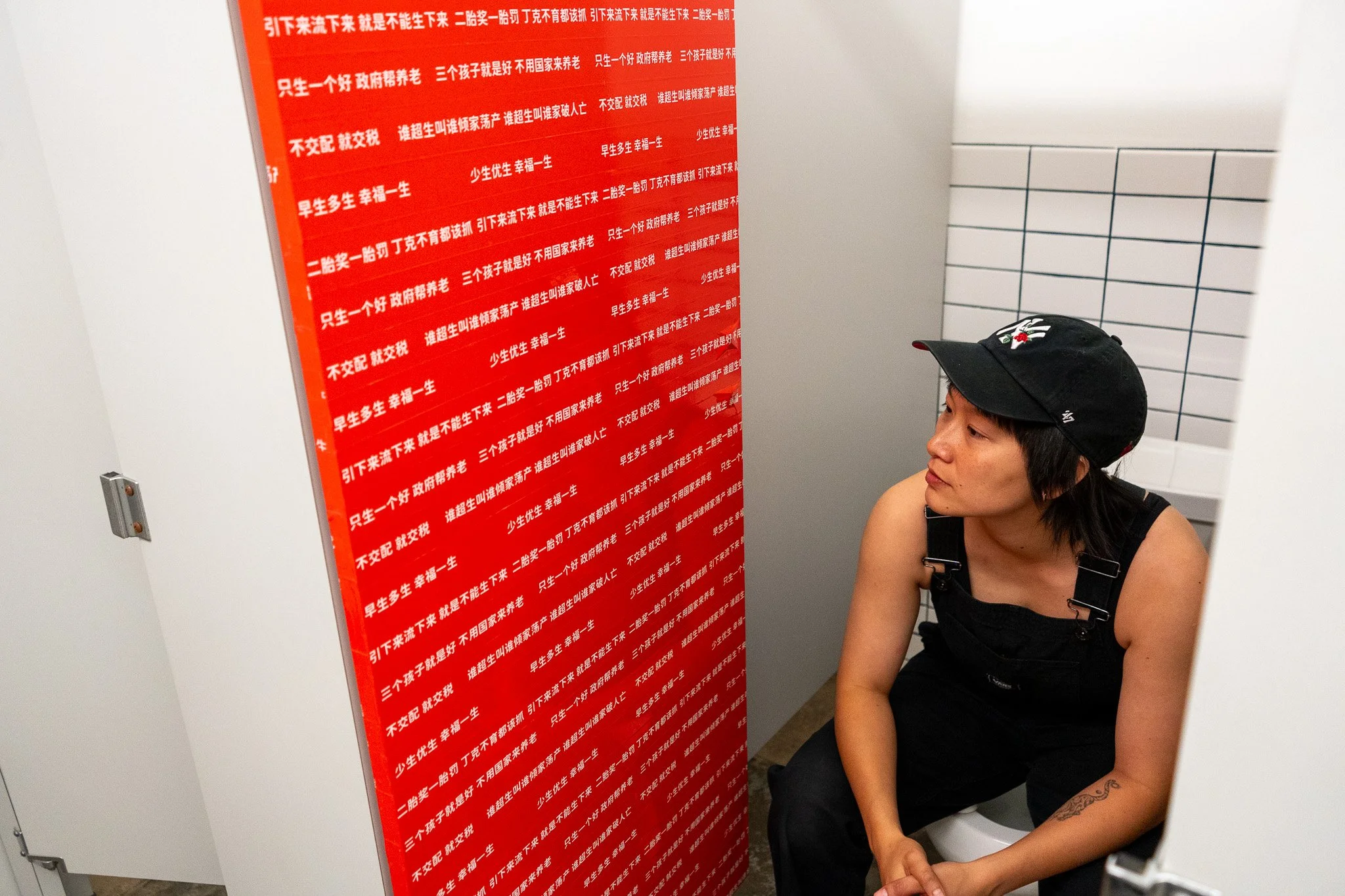
I transformed China’s reproductive propaganda slogans into rolls of red tape. Over decades, these slogans shifted alongside the state’s demographic priorities: from the coercive violence of the one-child policy to today’s intense pressure to produce more children. A woman’s uterus may belong to her body, yet what it carries is repeatedly made to serve national plans, economic forecasts, and population targets. The complex joy, grief, pain, and labor of reproduction are flattened into policy, numbers, and state ambition.
In Chinese, the word for tape (胶带 jiāodài) sounds like the word for an explanation or an account (交代 jiāodài). The phrase "Give me a roll of tape" echoes the demand: "Give me an explanation." This red tape physically and metaphorically binds the individual to the state. It asks: who is given an account for this irreversible intrusion?
The slogans on the tape include:
Have only one child, and the government will support your old age vs. Having three children is best, so you won’t need the state to support your old age
If one person has an extra birth, the whole village gets sterilized vs. If one person refuses to have more children, the whole village gets artificial insemination
Fewer births, better births, a lifetime of happiness vs. Have children early and have more, a lifetime of happiness
Abort it, miscarry it, just don’t give birth to it vs. Reward the second child, punish the first; arrest the child-free and the infertile
Whoever has an unauthorized birth will have their family destroyed vs. If you won’t reproduce, then pay tax

Mother Reality
Jiabao Li, Arwyn Li Galvin
Performance, 2026
For the duration of this exhibition, my nine-month-old baby, Arwyn, and I are living here in the gallery. This choice is born from necessity: I need to be here to speak about my work, but at the same time, I need to feed and take care of my baby. So, we moved in. This is the reality of motherhood as art. Our private life becomes public. We invite you to witness the joy, the anxiety, the mess, and the relentless multitasking of our daily existence. This exhibition contemplates motherhood while the raw, unpolished reality of it unfolds right in front of you.